Subic Bay USS New York
Overview
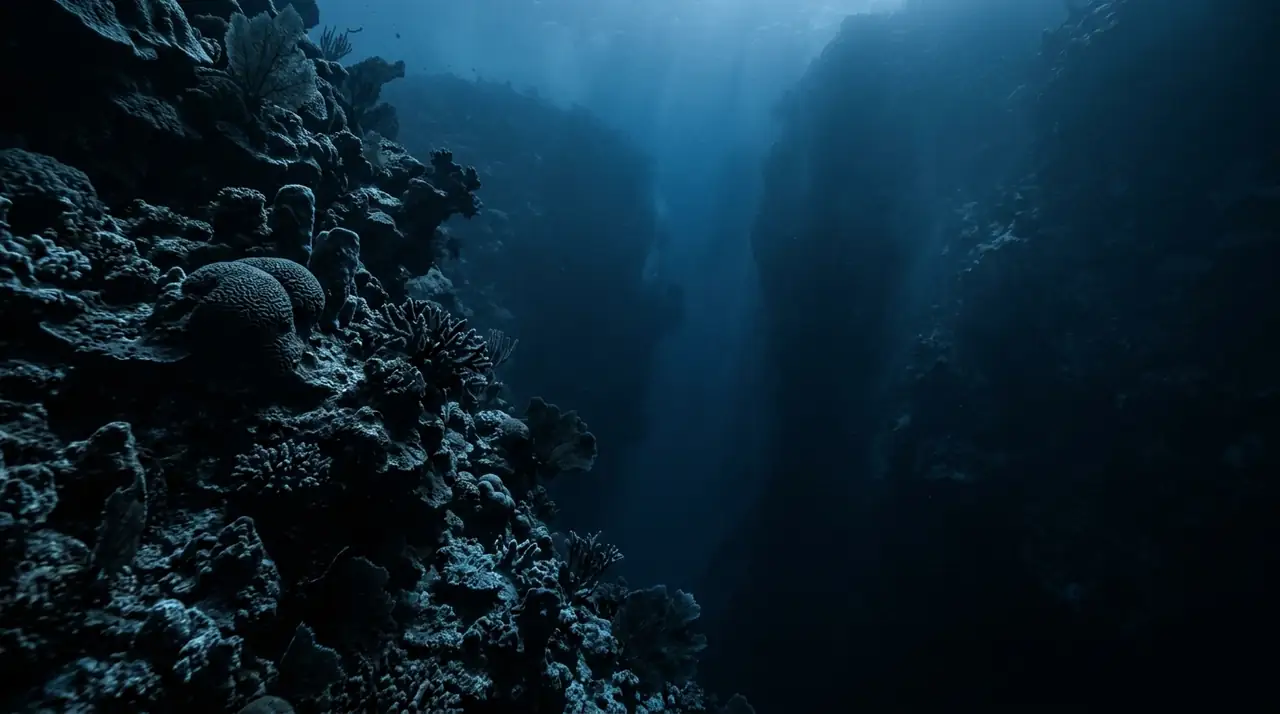
The USS New York is one of the most historically significant diveable shipwrecks in the Philippines, resting on the bottom of Subic Bay at a maximum depth of 27 meters. Originally commissioned as an armored cruiser in 1893, she served as the flagship of the American Asiatic Squadron during the Spanish-American War, participating in the Battle of Santiago de Cuba. After decades of service, she was deliberately scuttled in December 1941 as Japanese forces advanced on the Philippines, denying the enemy a valuable prize. The wreck lies on her starboard side, her impressive 117-meter hull stretching across the bay floor. Despite the passage of over 80 years, the structure remains remarkably intact, with the bow, stern, and portions of the superstructure clearly identifiable. Soft corals, sponges, and tunicates have colonized every surface, while schools of batfish and barracuda inhabit the water column above the wreck. Lionfish perch in the sheltered nooks, and large groupers have taken up residence within the hull. Visibility in Subic Bay tends to be more limited than at tropical reef sites, typically ranging from 5 to 15 meters, which lends an atmospheric, almost eerie quality to the dive. The green-tinged water and the massive scale of the warship create a powerful sense of diving into history. Intermediate divers with wreck experience will appreciate the site, and several Subic Bay dive operators specialize in the area's numerous wrecks, including the nearby USS New York's sister ships and other vessels scuttled during the same period.
Early access
Plan a dive here
Open the DiveOne planner to sketch a recreational plan before you go. It is a planning assistant, not a dive computer.
Marine life
Dive profile
DEPTH PROFILE
DEPTH PROGRESSION & WAYPOINTS: Subic Bay USS New York
Location
Frequently asked questions
What is the history of USS New York?
The USS New York (ACR-2) was an armored cruiser launched in 1891. She served in the Spanish-American War and was eventually scuttled in Subic Bay in 1941 to prevent capture by advancing Japanese forces.
What is the visibility like?
Visibility in Subic Bay is typically 5-15 meters. The water can be green and silty, but this adds to the atmospheric quality of the wreck diving.
Can I penetrate the wreck?
Limited penetration is possible with proper training and an experienced guide. Some compartments are accessible, but silt-out is a real risk.
Reviews
Reviews
No reviews yet
Data Provenance
This profile is compiled from 3 operator submissions and 142 community logs. Key facts (depth, entry) are verified against official hydrographic charts.