Manta Point
Overview
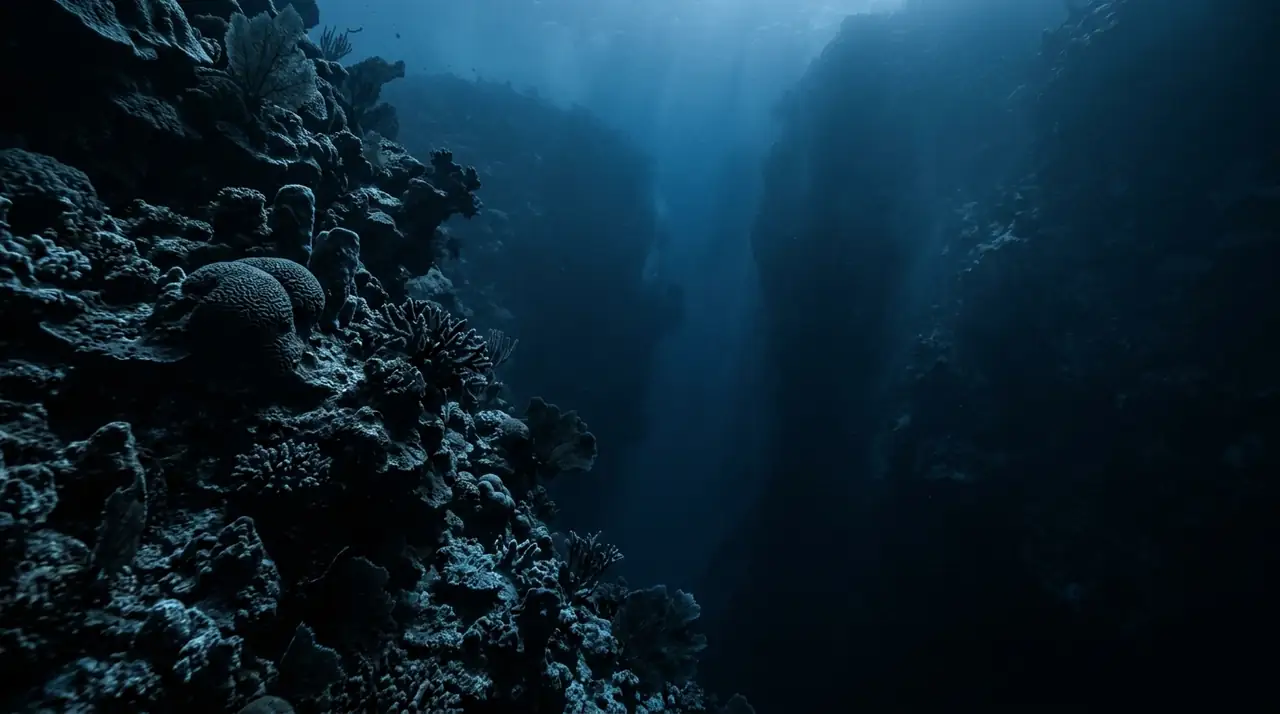
Manta Point on the south coast of Nusa Penida is one of the world's most reliable locations for close encounters with reef manta rays. The site consists of a series of coral bommies at 8–15 meters on a rocky bottom where cleaner wrasse establish cleaning stations. Manta rays queue to be cleaned, hovering motionless above the bommies while tiny wrasses pick parasites from their gills and skin. Divers position themselves on the sandy bottom below and watch these magnificent creatures — with wingspans up to 4 meters — glide overhead at arm's length. On exceptional days, a dozen or more mantas may be present simultaneously, circling and queuing in an elegant aerial ballet. The site is not just about mantas — marble rays rest on the bottom, reef sharks patrol the edges, and schools of bannerfish and batfish add to the scene. The diving conditions, however, demand respect. Nusa Penida sits in the channel between Bali and Lombok where cold, nutrient-rich water from the Indian Ocean meets warmer Bali Sea water. Thermoclines can drop water temperature from 28 °C to 18 °C in seconds, and currents can be strong and unpredictable. Surge on the shallow bottom adds to the challenge. Manta Point is accessed by fast boat from Sanur or Padang Bai in Bali (30–45 minutes). Dive operators monitor conditions carefully and may redirect to alternative sites if currents are too strong. The manta encounters are among the most magical experiences available to recreational divers.
Early access
Plan a dive here
Open the DiveOne planner to sketch a recreational plan before you go. It is a planning assistant, not a dive computer.
Marine life
Dive profile
DEPTH PROFILE
DEPTH PROGRESSION & WAYPOINTS: Manta Point
Location
Frequently asked questions
What certification is needed for Manta Point?
Advanced Open Water is recommended due to potential strong currents, cold thermoclines, and surge. The dive is typically at 8–15 meters at the cleaning station. Strong swimming skills and good buoyancy control are essential.
When is the best time for mantas at Manta Point?
Manta rays are present year-round, but the best encounters are from April to November. The dry season (May–October) typically offers better visibility and calmer conditions. Morning dives tend to have more manta activity.
What can I expect at Manta Point?
Manta Point is a cleaning station where reef manta rays hover over coral bommies while cleaner wrasses remove parasites. Divers kneel on the sandy bottom at 8–12 meters and watch mantas glide overhead, sometimes within touching distance. Multiple mantas can be present simultaneously.
Reviews
Reviews
No reviews yet
Data Provenance
This profile is compiled from 3 operator submissions and 142 community logs. Key facts (depth, entry) are verified against official hydrographic charts.