Cenote Tajma Ha
Overview
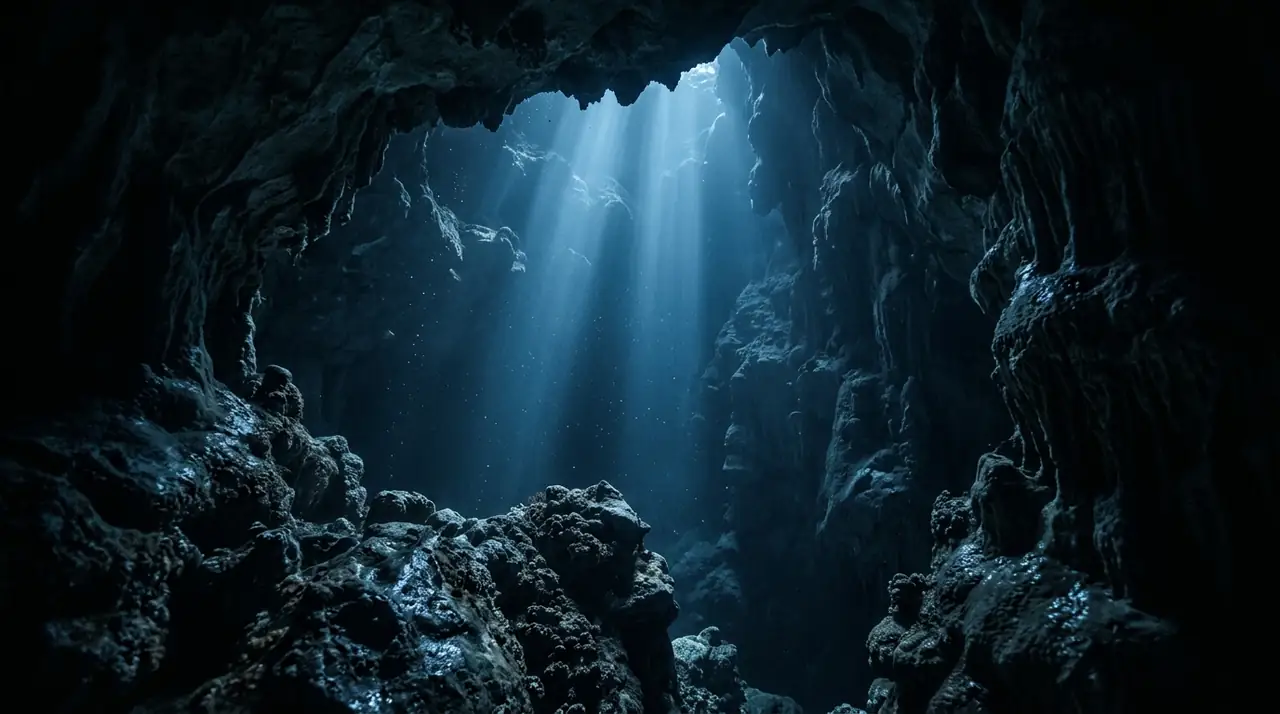
Cenote Tajma Ha is one of the Yucatan's most visually enchanting cavern dives, located near Playa del Carmen in the heart of the Riviera Maya. Named as a playful reference to the Taj Mahal for its cathedral-like beauty, this cenote system features a series of interconnected chambers where sunlight streams through multiple openings in the jungle canopy above, creating an ever-changing display of light beams that illuminate the crystal-clear water with an almost divine quality. The dive explores two main areas — the main cenote pool and the famous Sugar Bowl section, connected by a short swim through decorated passages. The shallow depth, rarely exceeding 15 meters, and the constant presence of natural light make this an ideal cenote for divers of all levels. The formations are exquisite: delicate stalactites and columns formed over millennia create a natural architecture that inspires genuine awe. The water clarity is extraordinary, with visibility often exceeding 60 meters, allowing the light beams to cut through the water like spotlights on a stage. What sets Tajma Ha apart from other Yucatan cenotes is the quality and variety of its light effects. Multiple openings in the cavern ceiling create overlapping beams that shift and dance as the sun moves across the sky, and suspended particles in the water make the beams visible and tangible. Photographers often spend entire dives in a single chamber, waiting for the perfect alignment of light. The cenote is less crowded than nearby Dos Ojos or Gran Cenote, offering a more intimate and contemplative diving experience.
Early access
Plan a dive here
Open the DiveOne planner to sketch a recreational plan before you go. It is a planning assistant, not a dive computer.
Marine life
Dive profile
DEPTH PROFILE
DEPTH PROGRESSION & WAYPOINTS: Cenote Tajma Ha
Location
Near Playa del Carmen, in the Quintana Roo region of Mexico.
Frequently asked questions
Why is it called Tajma Ha?
The name is a play on 'Taj Mahal' — referring to the cathedral-like beauty of the cavern chambers with their dramatic light effects.
Is this suitable for new divers?
Yes, Tajma Ha is one of the best cenotes for beginners. The shallow depth, easy entry, and cavern format (always visible natural light) make it very accessible.
When are the light effects best?
Mid-morning to early afternoon when the sun is high, sending intense light beams through the cenote openings into the cavern below.
Reviews
Reviews
No reviews yet
Data Provenance
This profile is compiled from 3 operator submissions and 142 community logs. Key facts (depth, entry) are verified against official hydrographic charts.