Cenote Dos Ojos
Overview
Cenote Dos Ojos (Two Eyes) is one of the most spectacular cenote dives on Mexico's Yucatán Peninsula, part of one of the longest underwater cave systems in the world. The cenote consists of two large sinkholes connected by an extensive cave system that has been explored for over 80 kilometres. For recreational divers, the cavern zones — areas within natural light reach of the entrances — offer an extraordinary experience. Crystal-clear freshwater with visibility exceeding 100 meters fills passages adorned with ancient stalactites and stalagmites formed over millions of years when the caves were above sea level. The water temperature is a constant 24–25 °C year-round. The first "eye" features a large cavern with dramatic light beams penetrating from the entrance, illuminating the formations in shafts of blue-white light. The second eye leads to the famous Bat Cave, where divers surface in a dark air chamber inhabited by fruit bats. The halocline — where fresh water meets salt water at approximately 10 meters — creates a shimmering visual effect that is both disorienting and beautiful. Cavern dives stay within the light zone and are accessible to Open Water certified divers with a qualified guide. Full cave diving penetrations into the deeper system require cave diving certification and specialised equipment including redundant gas and guideline reels. Cenote Dos Ojos is located near Tulum on the Riviera Maya, approximately 20 minutes by car, and is one of the most visited cenotes in the region. The combination of crystal visibility, ancient geological formations, and unique light effects makes it an unforgettable dive experience.
Early access
Plan a dive here
Open the DiveOne planner to sketch a recreational plan before you go. It is a planning assistant, not a dive computer.
Marine life
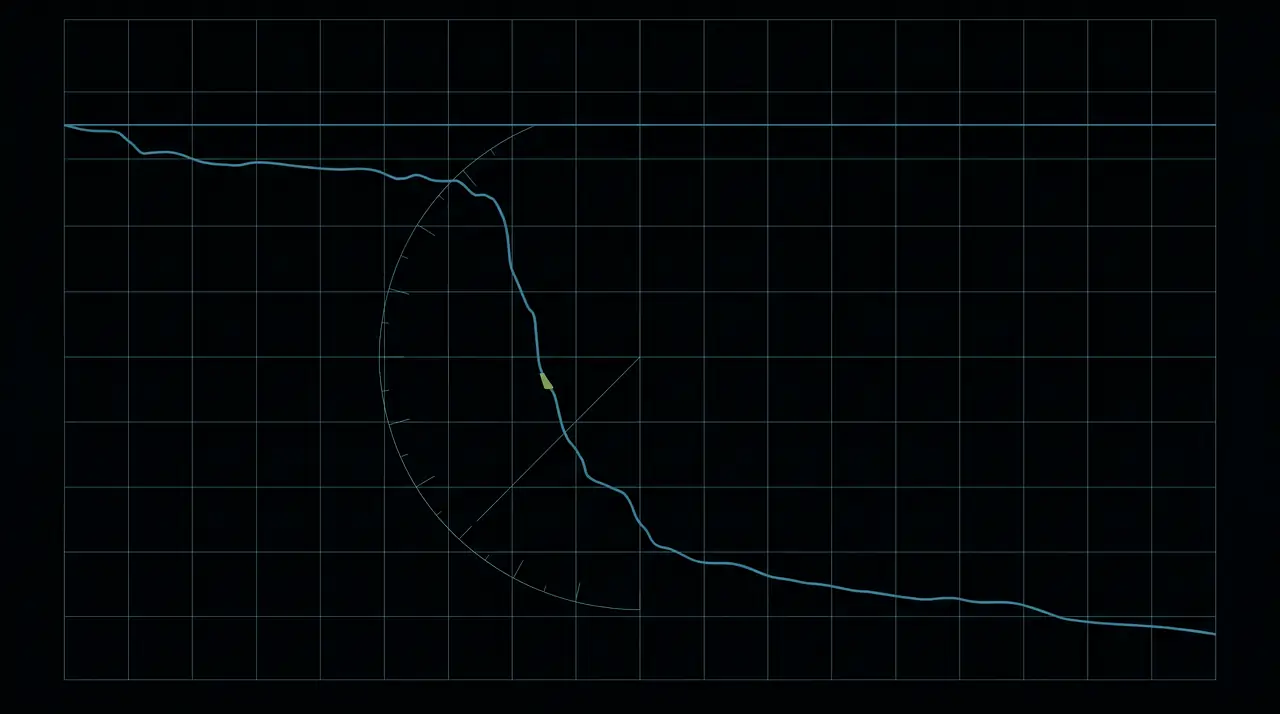
Dive profile
DEPTH PROFILE
DEPTH PROGRESSION & WAYPOINTS: Cenote Dos Ojos
Location
Frequently asked questions
What certification is needed for Cenote Dos Ojos?
Open Water certification is sufficient for the cavern diving sections (within natural light). Full cave penetration beyond the cavern zone requires cave diving certification (IANTD, NSS-CDS, or equivalent). All divers must be accompanied by a certified cavern or cave guide.
When is the best time to dive Cenote Dos Ojos?
Cenote Dos Ojos is excellent year-round. Water temperature is a constant 24–25 °C regardless of season. The rainy season (June–October) can slightly affect visibility near entrances but the deeper cavern sections remain crystal clear. Morning visits offer the best light beams.
What is the halocline at Dos Ojos?
The halocline is a layer where fresh cenote water meets salt water from the underground river system. At around 10 meters depth, the two water masses create a shimmering, blurry interface that looks like an underwater river. Swimming through it distorts your vision temporarily — a surreal and photogenic phenomenon.
Reviews
Reviews
No reviews yet
Data Provenance
This profile is compiled from 3 operator submissions and 142 community logs. Key facts (depth, entry) are verified against official hydrographic charts.