Bodrum C-47 Wreck
Overview
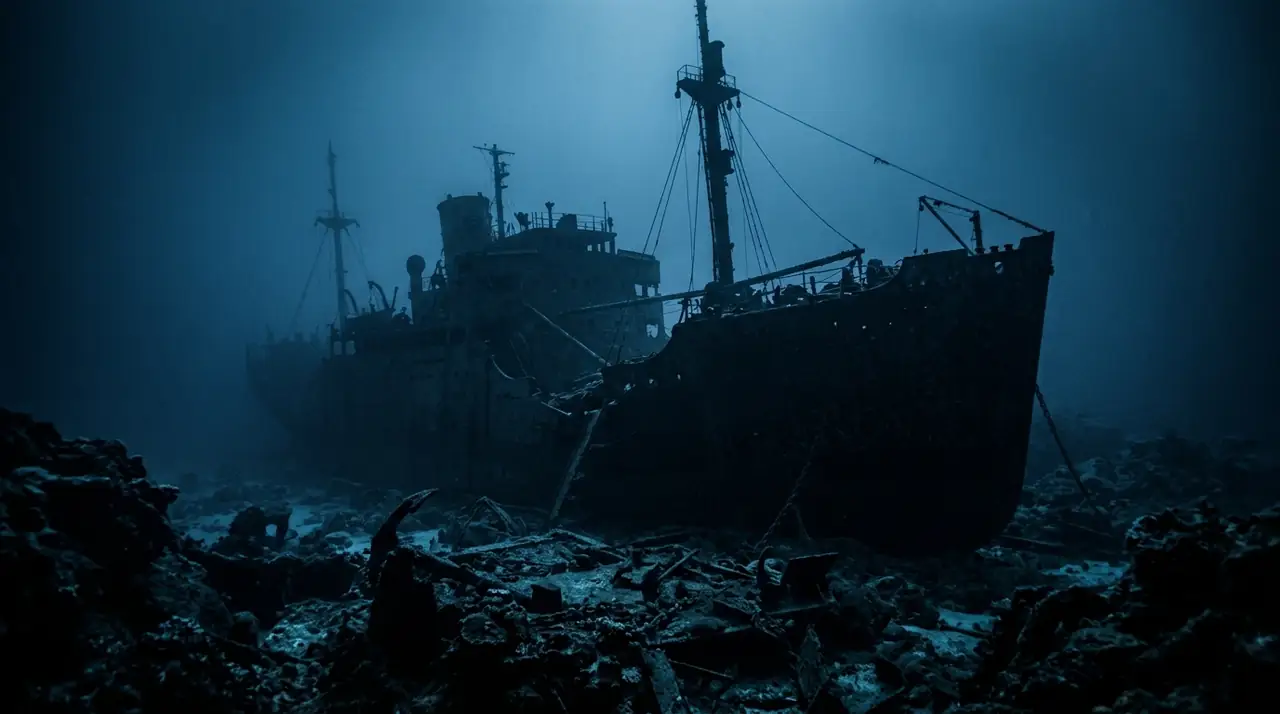
The Bodrum C-47 Wreck is one of Turkey's most photogenic dive sites — a deliberately sunk Douglas C-47 Skytrain military transport aircraft resting upright on a sandy seabed at approximately 30 metres. The aircraft, a retired Turkish Air Force transport, was cleaned and prepared before being sunk to create an artificial reef, and it has been remarkably successful in that role. The C-47's distinctive silhouette is immediately recognisable as divers descend: the long fuselage, swept-back wings, and twin-engine nacelles create an iconic profile against the sandy bottom. Over the years, the aircraft has been progressively colonised by marine organisms — sponges and bryozoans coat the fuselage, soft corals grow from the wing edges, and the cockpit has become a favourite hiding spot for groupers and moray eels. The wings attract schools of sea bream that hover in loose formations above the metal surfaces, while octopus take up residence in the engine nacelles and wheel wells. Scorpionfish lie motionless on the wings, perfectly camouflaged against the encrusted metal. Beneath the fuselage, the sandy bottom supports garden eels and flatfish. The dive is straightforward for intermediate-level divers, with mild currents and good visibility typical of the Bodrum area. The sandy surroundings provide an uncluttered backdrop that makes the aircraft stand out dramatically — particularly effective for wide-angle photography. The C-47 Wreck demonstrates how thoughtfully created artificial reefs can provide both marine habitat and exceptional recreational diving, offering a piece of aviation history reborn as a thriving underwater ecosystem.
Early access
Plan a dive here
Open the DiveOne planner to sketch a recreational plan before you go. It is a planning assistant, not a dive computer.
Marine life
Dive profile
DEPTH PROFILE
DEPTH PROGRESSION & WAYPOINTS: Bodrum C-47 Wreck
Location
Frequently asked questions
What type of aircraft is it?
A Douglas C-47 Skytrain, the military transport version of the iconic DC-3 airliner. The aircraft was decommissioned from the Turkish Air Force and deliberately sunk to create an artificial reef.
Is penetration possible?
The fuselage is accessible in parts, but penetration is limited due to the aircraft's size and the presence of marine growth. Most of the interest is on the exterior, where the distinctive silhouette makes for outstanding photography.
How intact is the aircraft?
The aircraft rests upright on the sandy bottom with wings, fuselage, and tail section largely intact. Coral and sponge growth has softened the contours but the unmistakable shape of the C-47 is clearly recognisable.
Reviews
Reviews
No reviews yet
Data Provenance
This profile is compiled from 3 operator submissions and 142 community logs. Key facts (depth, entry) are verified against official hydrographic charts.