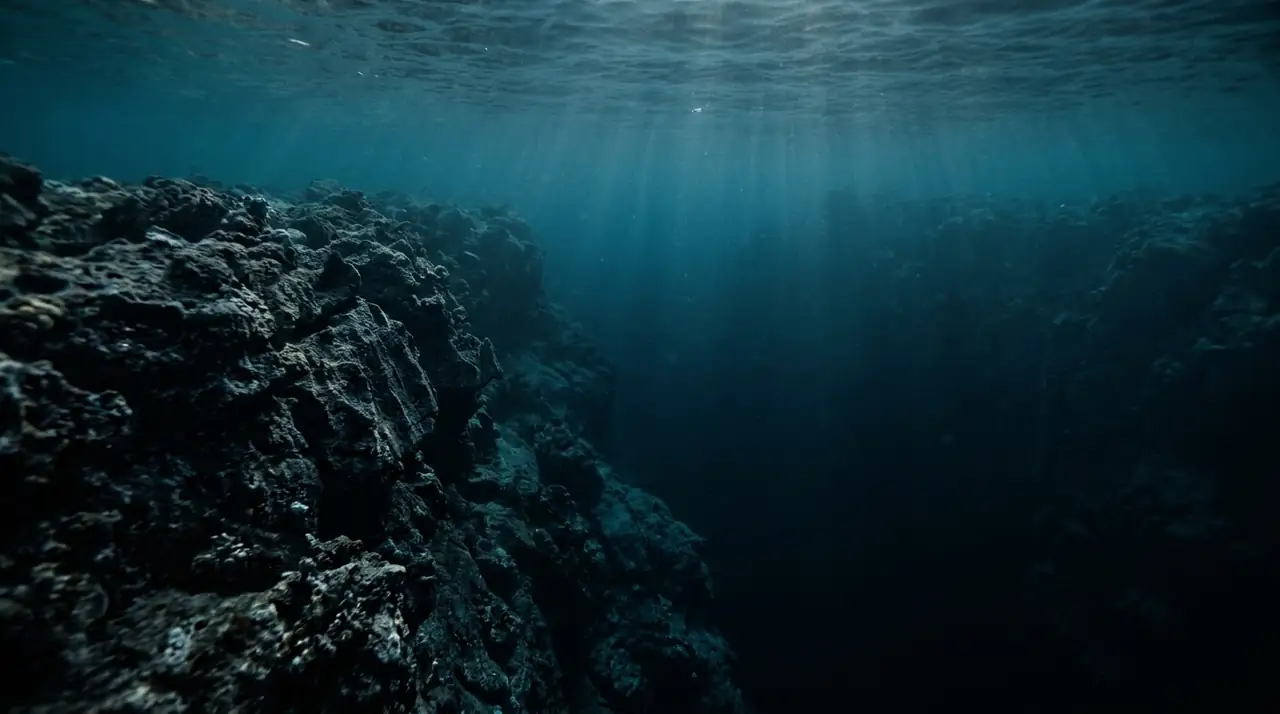
Padang Bai Blue Lagoon
Overview
Padang Bai Blue Lagoon is a sheltered bay on Bali's east coast that offers a gentle and colourful introduction to Indonesian diving. The site features a sloping reef that descends gradually from the shallows to around 20 metres, providing a comfortable environment for beginner divers and an excellent training ground for dive schools. The coral garden is remarkably dense, with staghorn corals, table corals, and brain corals creating a vibrant underwater landscape teeming with life. Macro photographers will find endless subjects — the reef hosts a stunning variety of nudibranchs, from the common Chromodoris species to rarer finds like Halgerda batangas. Pygmy seahorses cling to gorgonian fans, octopuses hide in crevices, and leaf scorpionfish lurk among the coral rubble. The sandy patches between coral outcrops are home to blue-spotted stingrays, often partially buried and revealed only by their distinctive markings. Sea turtles are regular visitors, grazing on algae or resting under table corals. The bay's sheltered position means conditions are calm on most days, with minimal current and good visibility. A short boat ride from the Padang Bai ferry port brings divers to the site, and multiple entry points allow guides to choose the best area based on conditions. Blue Lagoon is often paired with nearby Jepun or Tanjung Sari for a full day of easy, rewarding diving on the east coast.
Early access
Plan a dive here
Open the DiveOne planner to sketch a recreational plan before you go. It is a planning assistant, not a dive computer.
Marine life
Dive profile
DEPTH PROFILE
DEPTH PROGRESSION & WAYPOINTS: Padang Bai Blue Lagoon
Location
Frequently asked questions
When is the best time to dive Blue Lagoon?
April to November offers the calmest seas and best visibility. The site is sheltered and diveable year-round, but the dry season provides consistently excellent conditions for beginners.
What certification do I need to dive Blue Lagoon?
Open Water certification is sufficient. The gentle slope, shallow depth, and minimal current make Blue Lagoon one of Bali's best sites for newly certified divers and discovery dives.
What marine life can I expect at Blue Lagoon?
Expect a wealth of macro life including nudibranchs, pygmy seahorses, and octopus. Blue-spotted stingrays rest on the sandy bottom, and sea turtles are frequently encountered cruising the reef.
Reviews
Reviews
No reviews yet
Data Provenance
This profile is compiled from 3 operator submissions and 142 community logs. Key facts (depth, entry) are verified against official hydrographic charts.