Banana Reef
Overview
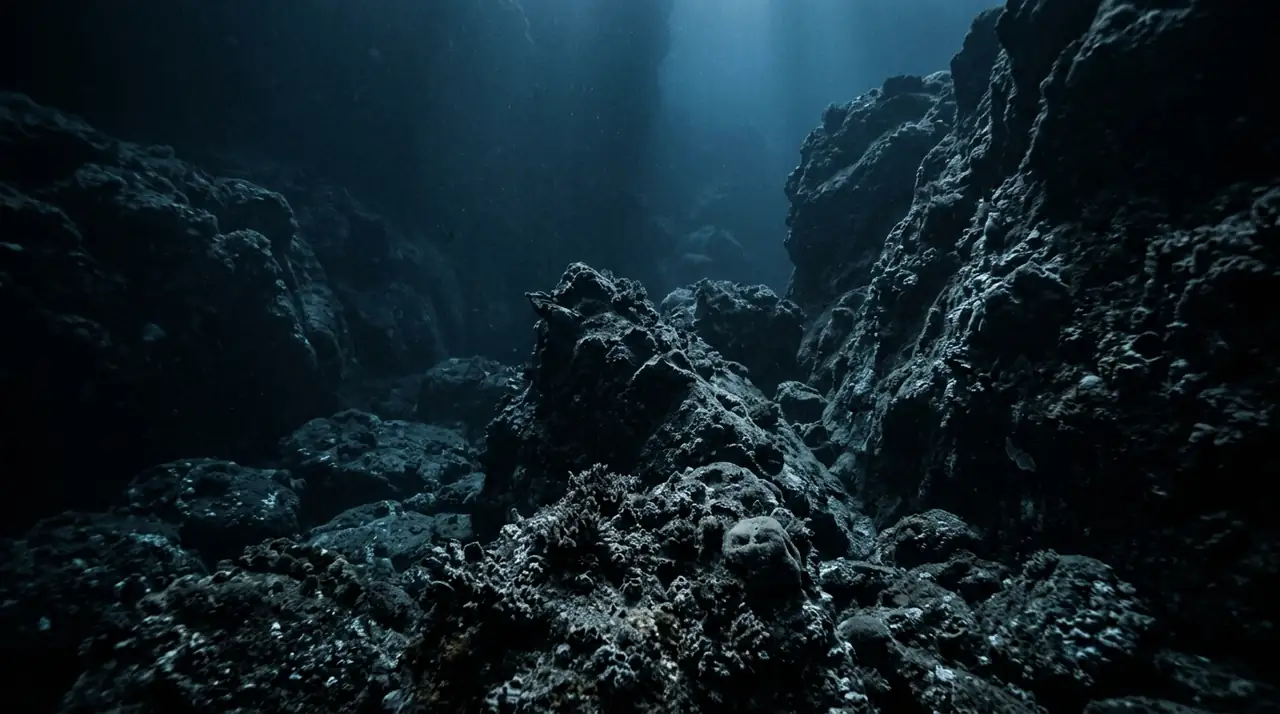
Banana Reef holds a special place in Maldivian diving history as the country's very first protected marine area, and it remains one of the most popular dives in North Male Atoll. Named for its distinctive curved shape visible from above, this reef has been a cornerstone of Maldivian dive tourism since the 1970s. The reef features dramatic topography, with sheer cliffs dropping from 3 metres to beyond 30 metres on the outer edge. The walls are carved with overhangs, small caves, and swim-throughs, all generously decorated with soft corals, sea fans, and sponges. Schools of bannerfish hang motionless in the current, while moray eels peer from crevices and lionfish hover beneath ledges. The protected status has allowed marine life to flourish here. Napoleon wrasse are exceptionally bold, often approaching divers closely. Sea turtles graze on the reef top, and whitetip reef sharks rest on sandy patches between coral formations. Eagle rays cruise along the outer wall, and on calm days the variety and density of reef fish is outstanding — surgeonfish, butterflyfish, angelfish, and parrotfish create a constantly moving tapestry of colour. The dive typically follows the outer wall as a gentle drift, with the curved shape of the reef providing natural shelter from the current in different sections. The interior of the curve features a shallower reef area perfect for extended safety stops and snorkelling. Despite its popularity, Banana Reef continues to impress, offering reliable marine encounters and photogenic scenery that justified its historic protection.
Early access
Plan a dive here
Open the DiveOne planner to sketch a recreational plan before you go. It is a planning assistant, not a dive computer.
Marine life
Dive profile
DEPTH PROFILE
DEPTH PROGRESSION & WAYPOINTS: Banana Reef
Location
Frequently asked questions
Why is Banana Reef historically significant?
Banana Reef was the first dive site in the Maldives to receive official protection, established as a protected marine area in the early days of Maldivian tourism. It helped shape diving regulations across the country.
How did it get its name?
The reef formation curves in a distinctive banana shape when viewed from above, giving it this iconic name that has been used since the earliest days of Maldivian dive tourism.
What are the current conditions like?
Moderate currents are common, and the dive is usually planned as a drift along the reef. The banana shape creates sheltered areas where marine life congregates regardless of current direction.
Reviews
Reviews
No reviews yet
Data Provenance
This profile is compiled from 3 operator submissions and 142 community logs. Key facts (depth, entry) are verified against official hydrographic charts.