Zeelandbrug
Overview
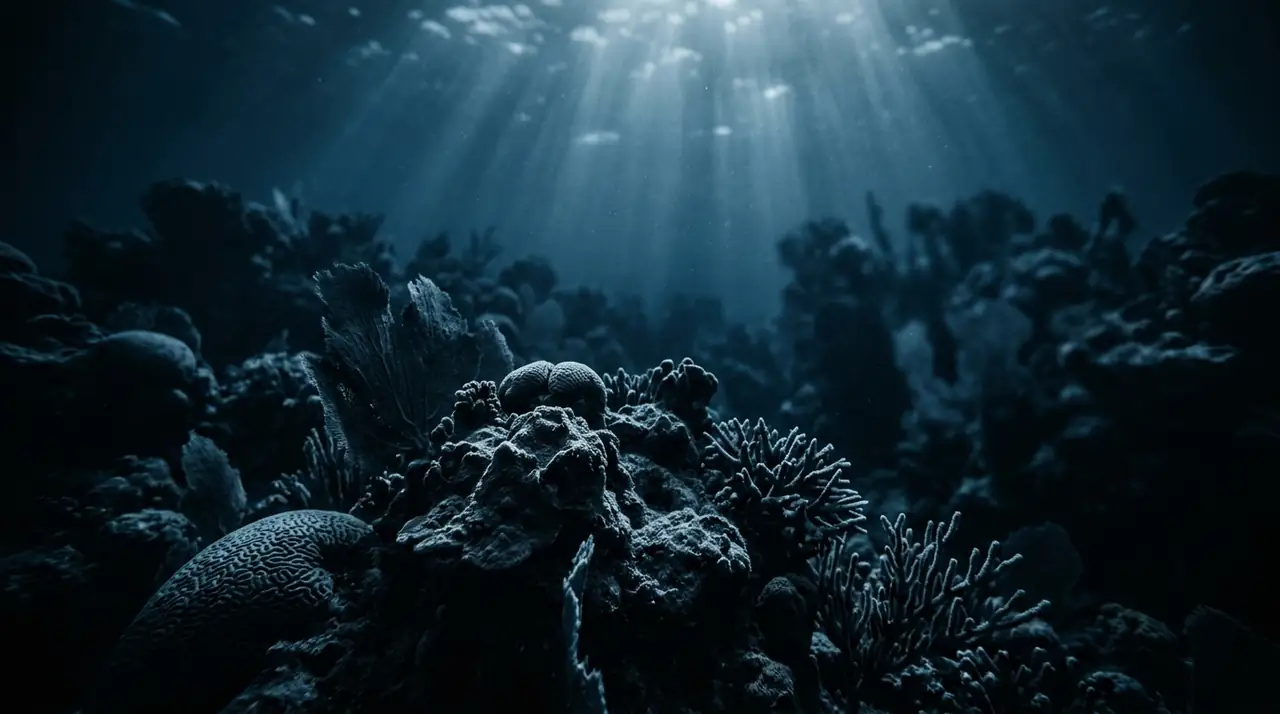
The Zeelandbrug is a five-kilometre bridge that would be unremarkable to most people, a concrete span across the Oosterschelde estuary in the southwestern Netherlands. But below the waterline, the bridge's sixty-plus pillars have transformed into one of Northern Europe's most remarkable dive sites, artificial reefs colonised by extraordinary marine life density sustained by nutrient-rich tidal flows. Diving here requires precise timing. The Oosterschelde's tides generate powerful currents, and entry is only safe during slack water between tides. I arrived at the parking area beside the southern abutment at the calculated slack time, suited up in a drysuit against fourteen-degree water, and walked across the foreshore. Visibility was honest Northern European: five metres, though it can reach ten. But what the water lacks in clarity, it compensates in life density on every surface. The first pillar was encrusted from waterline to base with plumose anemones, white and orange tentacles creating a living carpet. Between them, sponges competed for space. Sea squirts, hydroids, and bryozoans filled every gap. The cuttlefish were the reason for my visit. In late April, the Zeelandbrug hosts one of Europe's largest breeding aggregations of common cuttlefish. I found them immediately, a pair in courtship at eight metres beside a pillar. The male displayed his zebra-stripe breeding pattern, pulsing colour changes while positioning himself between the female and a rival. The rival responded, and for several minutes the two males competed in a slow-motion colour battle while the female observed. Deeper at fifteen to twenty metres, the anemone coverage became denser. Lobsters occupied crevices in pillar bases. Scorpionfish sat motionless. At night, nudibranchs emerge to graze and cuttlefish hunt with mesmerising efficiency. The Zeelandbrug proves that world-class encounters do not require warm water or tropical reefs. The biodiversity on these concrete pillars, sustained by one of Europe's most productive estuaries, creates diving that rewards observation and patience.
Early access
Plan a dive here
Open the DiveOne planner to sketch a recreational plan before you go. It is a planning assistant, not a dive computer.
Marine life
Dive profile
DEPTH PROFILE
DEPTH PROGRESSION & WAYPOINTS: Zeelandbrug
Location
Frequently asked questions
What is the Zeelandbrug and why is it a dive site?
The Zeelandbrug is a five-kilometre bridge spanning the Oosterschelde estuary in the southwestern Netherlands, connecting the islands of Noord-Beveland and Schouwen-Duiveland. The bridge's concrete pillars extend to the estuary floor at depths up to 28 metres, and over decades they have become heavily colonised by marine life. The pillars create artificial reef habitat in an otherwise sandy estuary, concentrating marine life and providing protection from tidal currents. The shore access from the parking area at the bridge's southern end makes it one of the most accessible deeper dives in the Benelux region.
When is the best time to see cuttlefish at the Zeelandbrug?
Cuttlefish are present from March through June, with peak mating and egg-laying activity in April and May. During this period, dozens of cuttlefish can be observed on a single dive, displaying courtship behaviour, competing for mates, and laying eggs on structures near the bridge pillars. The cuttlefish are remarkably tolerant of diver presence during breeding and allow very close observation. After June, the adults die after spawning and juveniles hatch throughout the summer, visible as tiny replicas of the adults.
How dangerous are the tidal currents at the Zeelandbrug?
Tidal currents at the Zeelandbrug can be extremely strong, making dive timing critical. Diving is only safe during slack tide periods, which last approximately 30 to 45 minutes. Divers must consult tide tables and plan entries precisely around slack water. The bridge pillars themselves provide shelter from current, and experienced divers can extend dive times by remaining close to the pillars. During maximum tidal flow, currents can exceed three knots, which is far too strong for safe diving. Local dive shops provide current predictions and advice.
Reviews
Reviews
No reviews yet
Data Provenance
This profile is compiled from 3 operator submissions and 142 community logs. Key facts (depth, entry) are verified against official hydrographic charts.