Zabargad Island
Overview
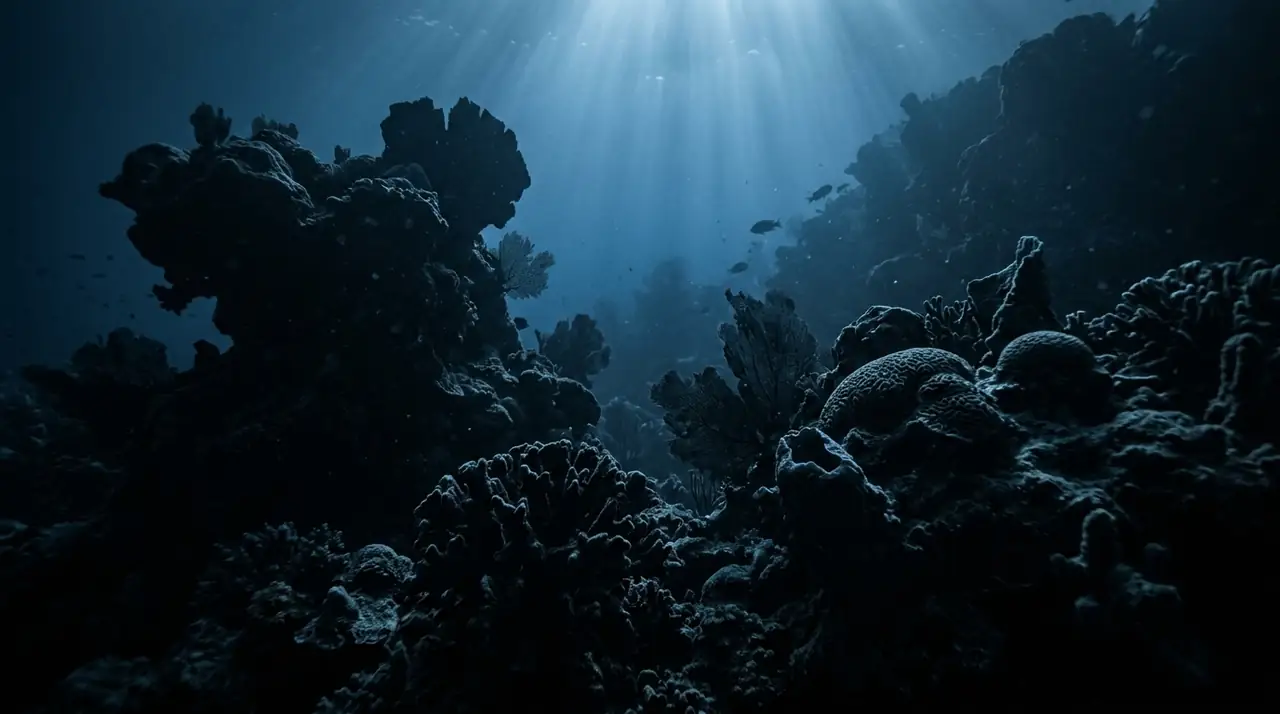
Zabargad Island rises from the deep Red Sea like a geological anomaly, a dark volcanic peak surrounded by turquoise shallows and white sand, lying fifty kilometers off the southern Egyptian coast near the Sudanese border. Known to the ancient world as Topazios, this island was the source of peridot gemstones for over three thousand years, its green olivine crystals adorning Pharaonic treasures and later gracing the crown jewels of medieval Europe. Today, the mines are abandoned, the island is uninhabited, and the reefs that surround it are among the most pristine in the Egyptian Red Sea. Reaching Zabargad requires commitment. Only extended Deep South liveaboard itineraries of seven to ten days include the island, and the crossing from the nearest port can take the better part of a day. But the reward for that journey is diving that feels genuinely untouched. I slipped into the water on the island's eastern side and descended along a wall of perfect coral health: table corals extending in symmetrical platforms, massive brain corals that have been growing undisturbed for centuries, and soft corals in the vibrant pinks and purples that the Red Sea does better than anywhere. The absence of anchor damage, diver traffic, and terrestrial runoff was immediately visible in the reef's condition. The western side of Zabargad offers a different landscape: extensive seagrass beds stretching over sandy shallows, creating habitat for green sea turtles that graze here in impressive numbers. Dugongs have been spotted in these seagrass meadows, though sightings are less reliable than at more accessible sites to the north. The seagrass gives way to a gentle reef slope with scattered coral heads that harbor giant moray eels, octopuses, and cleaning stations visited by Napoleon wrasse. Spinner dolphins are Zabargad's most charismatic residents. Pods rest in the sheltered bays during the day, and encounters in the water, whether snorkeling or diving, are common and magical. They spiral upward through the water column, their acrobatics a display of pure exuberance. Bottlenose dolphins also frequent the area, often in mixed groups with the spinners. The deeper reef edges on the eastern wall attract grey reef sharks, solitary or in small groups, cruising the current line at 25 to 30 meters. Manta rays make occasional appearances during plankton peaks. The visibility at Zabargad is typically outstanding, ranging from 25 to 40 meters, owing to the island's offshore position far from coastal sediment. Surface intervals at Zabargad are spent hiking the island's arid slopes to visit the ancient peridot mines, where tunnel entrances and stone structures from various periods of extraction are still visible. The combination of world-class reef diving, historical significance, and complete remoteness makes Zabargad one of the Red Sea's most special destinations for divers willing to invest the time to reach it.
Early access
Plan a dive here
Open the DiveOne planner to sketch a recreational plan before you go. It is a planning assistant, not a dive computer.
Marine life
Dive profile
DEPTH PROFILE
DEPTH PROGRESSION & WAYPOINTS: Zabargad Island
Location
Frequently asked questions
How do I reach Zabargad Island?
Zabargad is accessible only by liveaboard from Marsa Alam, Port Ghalib, or Hamata. The island lies approximately 50 kilometers off the southern Egyptian coast, near the Sudanese maritime border. Extended Deep South liveaboard itineraries of seven to ten days typically include Zabargad along with Rocky Island and St. John's Reefs. The journey from the nearest port takes six to eight hours, and sea conditions can be rough during crossings.
What is the history of Zabargad Island?
Zabargad, also known as St. John's Island or Topazios, was the world's primary source of peridot gemstones for over 3,500 years, from Pharaonic times through the early twentieth century. Ancient Egyptian miners extracted the green olivine crystals from the island's volcanic rock, and peridot from Zabargad adorned the treasures of pharaohs and later the crowns of European monarchs. The abandoned mines and stone ruins are still visible on the island's steep hillsides.
What marine life can be seen at Zabargad?
The island's fringing reef supports an impressive variety of Red Sea marine life. Spinner and bottlenose dolphins are commonly encountered in the surrounding waters, often approaching divers and snorkelers. Green and hawksbill turtles feed on the extensive seagrass beds on the island's western side. Grey reef sharks patrol the deeper reef edges, and manta rays occasionally visit during plankton-rich periods. Dugongs have been sighted in the seagrass areas, though less reliably than at sites like Marsa Mubarak.
Reviews
Reviews
No reviews yet
Data Provenance
This profile is compiled from 3 operator submissions and 142 community logs. Key facts (depth, entry) are verified against official hydrographic charts.