Yapak Wall
Overview
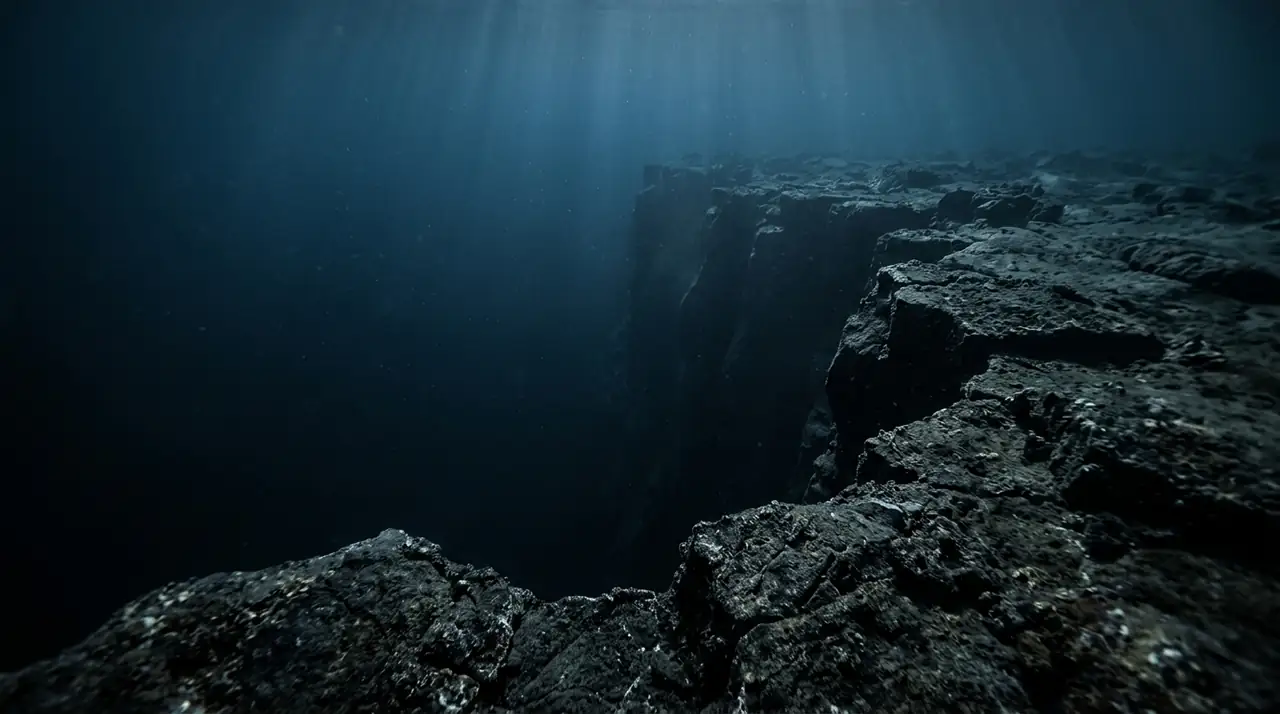
Yapak Wall shatters the assumption that Boracay is only about white sand beaches and cocktail bars. This deep, current-swept wall off the island's rugged northern tip is one of the finest shark diving sites in the Visayas. For advanced divers willing to handle challenging conditions, Yapak offers big-animal encounters that rival far more remote Philippine destinations. I rolled backward off the bangka on a morning when the current was pulling hard from the northwest. My guide was specific: negative entry, descend immediately to 25 meters, stay close to the wall. Within thirty seconds at depth, three grey reef sharks materialized from the blue, cruising the wall edge with the languid confidence of apex predators. Over the next five minutes, that number grew to seven, the sharks circling in loose patterns along the drop-off. The wall itself is a sheer cliff of ancient coral and volcanic rock beginning at about 12 meters and plummeting vertically past 60 meters. The upper sections are covered in hard corals and small gorgonians. Below 20 meters, larger gorgonian fans appear, angled into the current. The rock face is pocked with crevices where whitetip reef sharks rest and scorpionfish wait in ambush. The open water beyond the wall delivers the true spectacle. Schools of bigeye trevally number in the hundreds, pulsing in tight formation. Giant barracuda hang in loose aggregations at mid-water. Yellowfin tuna blast through occasionally with startling speed. During cooler months, manta rays visit to feed on plankton concentrated by upwelling currents, and eagle rays glide past in pairs. The challenge at Yapak is real: currents routinely exceed intermediate experience levels, and the deep wall profile invites descending deeper than intended. But for those who qualify, Yapak rewards with some of the most exciting diving in the central Philippines.
Early access
Plan a dive here
Open the DiveOne planner to sketch a recreational plan before you go. It is a planning assistant, not a dive computer.
Marine life
Dive profile
DEPTH PROFILE
DEPTH PROGRESSION & WAYPOINTS: Yapak Wall
Location
Frequently asked questions
Why is Yapak Wall considered an advanced dive?
Yapak Wall earns its advanced rating through a combination of strong and unpredictable currents, significant depth, and exposure to open ocean. The wall drops rapidly past 40 meters, and the most compelling marine life encounters often occur at 25 to 35 meters, leaving minimal margin for extended bottom time. Currents can shift direction mid-dive and intensify without warning. Down-currents along the wall face are possible and must be managed with proper technique. Divers should be experienced with drift diving and wall diving in current.
When is the best time to see sharks at Yapak?
Grey reef sharks are present at Yapak year-round, but sightings are most frequent and groups tend to be larger during the dry season from November through May when current patterns bring cleaner water and more consistent upwellings along the wall. Early morning dives tend to produce the best shark encounters. Manta rays are more seasonal, with sightings concentrated between December and March when plankton blooms attract them to the area.
Is Boracay only known for party tourism?
While Boracay is famous for its White Beach nightlife, the island offers serious diving that surprises many visitors. Yapak Wall is considered one of the best big-animal dive sites in the Visayas region. The contrast is striking: morning dives at Yapak with sharks and pelagics, afternoon relaxation on world-class beaches. Several professional dive operators on the island cater specifically to experienced divers seeking advanced sites like Yapak, Crocodile Island, and the Camia wreck.
Reviews
Reviews
No reviews yet
Data Provenance
This profile is compiled from 3 operator submissions and 142 community logs. Key facts (depth, entry) are verified against official hydrographic charts.