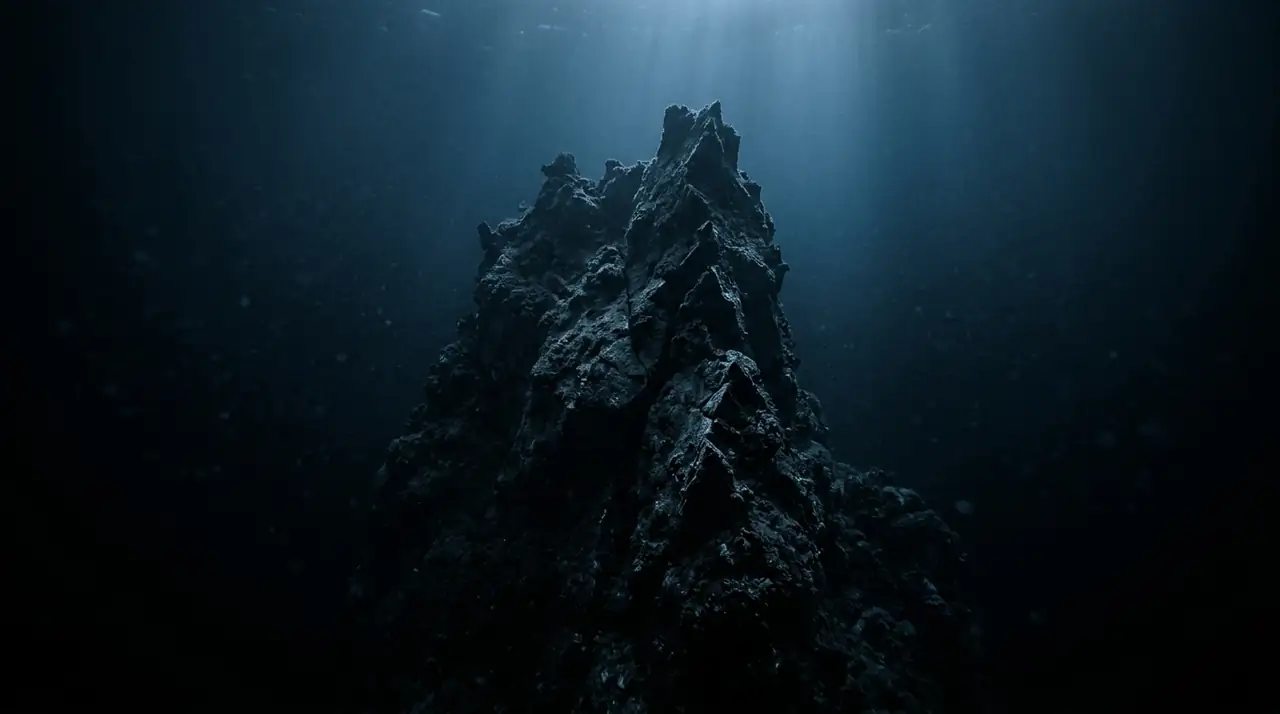
Xisha Islands (Paracel Islands)
Overview
The Xisha Islands, known internationally as the Paracel Islands, are a scattered archipelago of coral atolls, reefs, and sand cays in the northern South China Sea, approximately three hundred and fifty kilometres southeast of Hainan Island. This is one of the most remote and least-dived coral reef systems in the world, its isolation enforced not by geography alone but by political sensitivity and strict access controls. For decades, the reefs here have existed in a state of accidental preservation, shielded from the overfishing and coastal development that have devastated coral ecosystems across much of Southeast Asia. The result is underwater terrain that looks like a time capsule from a pre-industrial ocean. I joined a seven-day liveaboard expedition departing from Sanya, the overnight transit covering nearly four hundred kilometres of open sea before the first atoll emerged at dawn. The shallow reef flat glowed turquoise in the morning light, its edges dropping away to impossibly blue water on all sides. From the surface, the coral coverage was visible in astonishing detail through water so clear it seemed to have no medium between air and reef. The first dive was a wall on the outer edge of Yongle Atoll. I dropped over the reef crest at three metres and free-fell along a vertical limestone face that disappeared into darkness below forty metres. The wall was alive. Gorgonian fans the size of satellite dishes extended from the rock, their purple and red branches filtering the current for plankton. Soft corals in every shade of the spectrum covered every horizontal surface, while hard corals dominated the sunlit upper sections with a density I have seen matched only in the most protected zones of Raja Ampat. The sharks appeared almost immediately. Grey reef sharks patrolled the wall edge in groups of three and four, their movements deliberate and unhurried, the body language of apex predators in a system where they are still at the top of the food chain. A silvertip shark, larger and more imposing, cruised below at thirty metres, its white-tipped fins catching the light as it banked. These are not the tentative sharks of heavily dived tropical reefs but confident, dominant animals that regard divers with curiosity rather than fear. Napoleon wrasses appeared on every dive, some approaching to within arm's length with the bumbling confidence of fish that have never learned to associate divers with danger. Schools of bumphead parrotfish thundered across the reef flat in the early morning, their massive heads crunching through the coral with a sound like rocks being crushed. Giant trevally appeared from the blue with explosive speed, ambushing schools of fusiliers in attacks that lasted fractions of a second. The atoll's lagoon dives offered a different character entirely. Shallow coral gardens in three to ten metres of water hosted a density of life that was almost overwhelming. Every square metre seemed occupied: clownfish in their anemones, gobies on their coral perches, wrasses in a dozen species, damselfish defending territories smaller than a dinner plate. Green turtles rested on the sandy floor, so numerous that they became almost commonplace by the third day. Diving the Xisha Islands is a privilege in the most literal sense. Access is restricted, the journey is long, and the costs are substantial. But for those who make it, the reward is diving on reefs that represent what the South China Sea looked like before human pressure began its transformation. Standing on the liveaboard deck at sunset, watching frigate birds wheel above the lagoon as the reef flat turned gold in the fading light, I felt the specific sadness that comes from seeing something magnificent and knowing that its preservation is neither certain nor permanent.
Early access
Plan a dive here
Open the DiveOne planner to sketch a recreational plan before you go. It is a planning assistant, not a dive computer.
Marine life
Dive profile
DEPTH PROFILE
DEPTH PROGRESSION & WAYPOINTS: Xisha Islands (Paracel Islands)
Location
Frequently asked questions
Can foreign tourists dive the Xisha Islands?
As of the most recent regulations, diving in the Xisha Islands is restricted to Chinese nationals and is managed through approved liveaboard operators departing from Hainan. Foreign visitors have not been permitted to join diving expeditions, though tourism regulations in the area have evolved over time. Anyone interested should check the latest policies with operators based in Sanya or Haikou. The administrative city of Sansha, established on Woody Island, manages tourism permits for the archipelago.
How do I reach the Xisha Islands?
Approved liveaboard vessels depart from Sanya on Hainan Island. The voyage to the Xisha group takes approximately fifteen to twenty hours depending on sea conditions and the specific destination atoll. Itineraries typically run five to seven days covering multiple atolls and reef systems. Due to the remoteness and limited medical facilities, operators require participants to carry valid dive insurance and demonstrate advanced diving certification.
What makes the Xisha reefs exceptional?
The Xisha Islands have been effectively off-limits to commercial fishing and tourism for decades due to their military significance and remote location. This accidental protection has preserved reef systems that are among the healthiest remaining in the South China Sea, a body of water where most coastal reefs have suffered severely from overfishing and development. The atolls feature wall dives that drop from shallow reef flats to depths of hundreds of metres, and the pelagic life attracted by these deep-water structures rivals sites in the Coral Triangle.
Reviews
Reviews
No reviews yet
Data Provenance
This profile is compiled from 3 operator submissions and 142 community logs. Key facts (depth, entry) are verified against official hydrographic charts.