White Island (Whakaari)
Overview
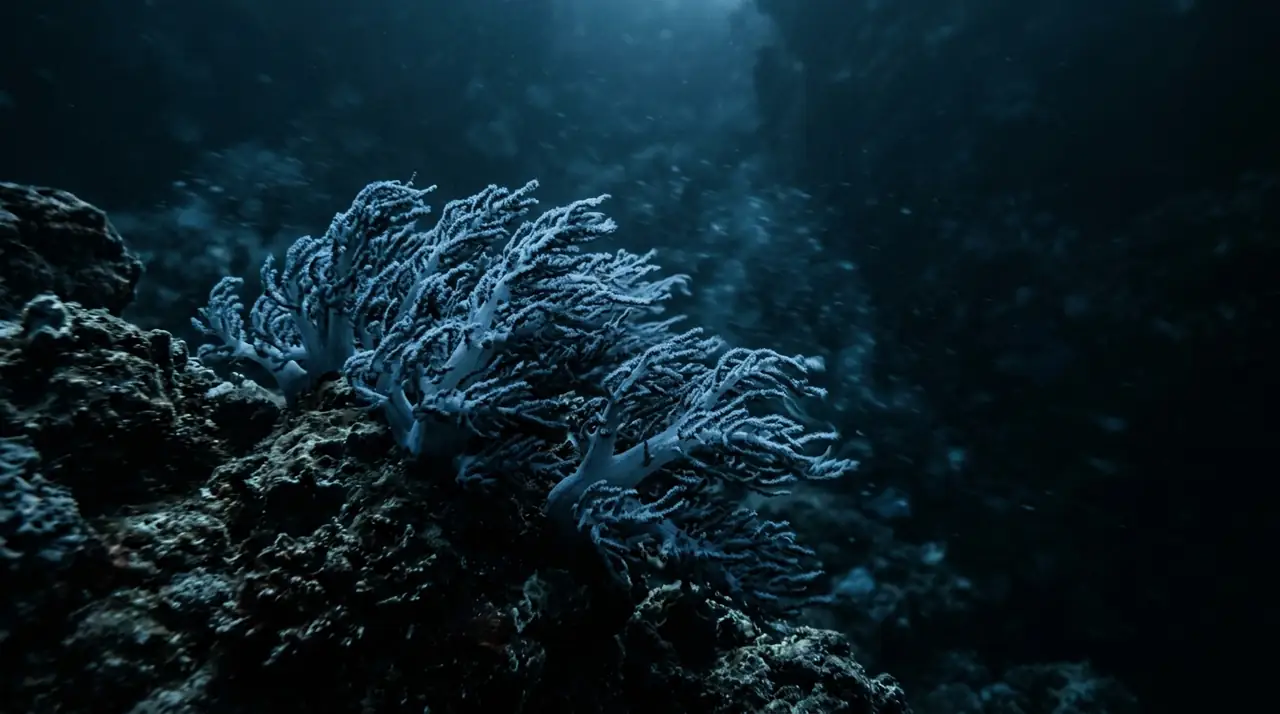
White Island, known by its Maori name Whakaari, is New Zealand's most active marine volcano, a dramatic cone rising from the seafloor of the Bay of Plenty approximately 48 kilometres offshore from Whakatane. While the island's steaming crater and sulphurous landscape are famous above water, the submerged slopes of this active volcano offer a diving experience found nowhere else in New Zealand. The underwater topography is shaped entirely by volcanic forces. Lava flows, ash deposits, and mineral-encrusted rock formations create a stark and otherworldly landscape that descends steeply from the island's base into deep blue water. Sulphur staining paints the rocks in shades of yellow and orange, while geothermal vents release streams of warm water and gas bubbles from fissures in the volcanic substrate. These vents create localised temperature anomalies and nutrient upwellings that drive exceptional productivity in the surrounding waters. The nutrient concentration attracts impressive pelagic life. Schools of kingfish numbering in the hundreds patrol the volcanic walls, their silver bodies flashing as they hunt baitfish driven against the rock faces. Bronze whaler sharks cruise the deeper water on the island's exposed flanks, and tuna power through on their migratory routes. Closer to the reef, blue maomao and demoiselles school in dense aggregations, crayfish occupy the volcanic crevices, and moray eels thread through the irregular rock formations. The volcanic substrate supports different encrusting communities than typical New Zealand reefs, creating a visually distinct underwater environment. Diving at White Island demands advanced skills and experience. The island is exposed to open ocean swells, currents can be strong and unpredictable, and the distance from shore means weather windows must be carefully selected. Dive operators run trips from Whakatane when conditions and volcanic alert levels permit, with the boat journey taking approximately 80 minutes. Surface intervals often include a circumnavigation of the island, offering dramatic views of the crater, steam vents, and the collapsed western crater wall. Visibility at White Island is typically excellent at 15-30 metres, owing to the offshore location and volcanic upwelling mixing. Water temperatures range from 16 to 22 degrees Celsius, warmest from January to April when diving conditions are most favourable. The site's remote nature and weather-dependent access mean that not every diver will have the opportunity to experience White Island, but those who do find a genuinely unique environment where geological drama and marine abundance converge.
Early access
Plan a dive here
Open the DiveOne planner to sketch a recreational plan before you go. It is a planning assistant, not a dive computer.
Marine life
Dive profile
DEPTH PROFILE
DEPTH PROGRESSION & WAYPOINTS: White Island (Whakaari)
Location
Near Whakatane, in the Bay of Plenty region of New Zealand.
Frequently asked questions
Is it safe to dive at White Island given its volcanic activity?
Diving at White Island is conducted under strict safety protocols with monitoring of volcanic activity through GeoNet. Dive operators only run trips when the volcanic alert level is at Level 1 or below. The dive sites are located on the submerged flanks of the island, not inside the crater, and the underwater volcanic features like vents and mineral deposits pose no direct danger to divers. However, conditions can change and trips may be cancelled at short notice due to volcanic or weather conditions.
What makes diving at White Island different from other New Zealand dive sites?
White Island is New Zealand's most active marine volcano, and diving its submerged slopes offers a genuinely unique environment. The volcanic substrate creates unusual rock formations coloured by mineral deposits, and geothermal activity warms the surrounding water, creating nutrient-rich upwellings that attract concentrations of pelagic fish. The combination of volcanic geology and open-ocean marine life is unlike anything else available in New Zealand waters.
How far is White Island from the mainland and how do you get there?
White Island lies approximately 48 kilometres offshore from Whakatane in the Bay of Plenty. The boat trip takes about 80 minutes in good conditions. Due to the distance and exposure to open ocean swells, trips are weather-dependent and limited to calm periods. Dive operators typically combine the trip with a surface tour around the island, offering views of the steaming crater and the dramatic volcanic coastline.
Reviews
Reviews
No reviews yet
Data Provenance
This profile is compiled from 3 operator submissions and 142 community logs. Key facts (depth, entry) are verified against official hydrographic charts.