Weda Bay
Overview
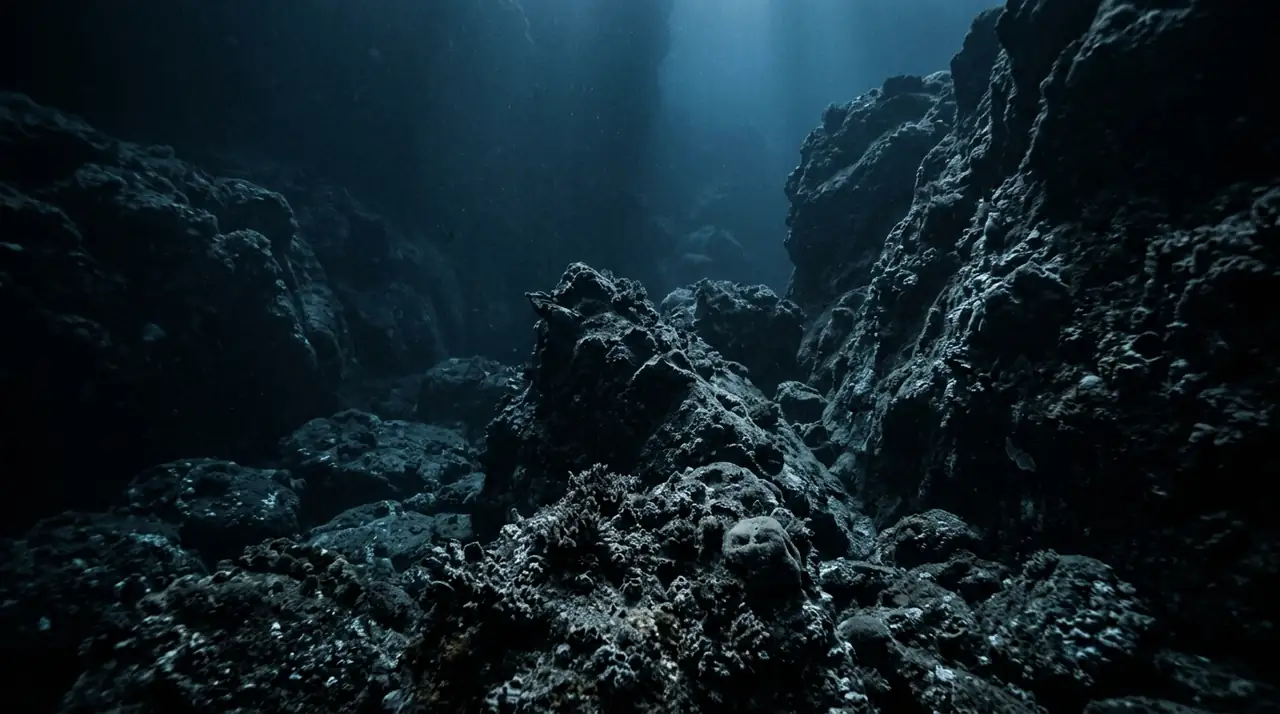
Weda Bay is a sheltered indentation on the eastern coast of Halmahera, the largest island in North Maluku and one of Indonesia's least-explored diving destinations. Where the Halmahera Sea meets the bay's protected waters, a combination of volcanic black sand slopes and pristine coral headlands creates diving conditions that rival the famous Lembeh Strait for macro life while adding coral reef diversity that Lembeh cannot match. The bay remained essentially unknown to the diving world until the mid-2010s, when a single dive resort opened and began systematic exploration of its waters. What they found astonished marine biologists: multiple species new to science, critter densities comparable to Indonesia's best macro sites, and hard coral reefs in conditions suggesting almost zero historical human impact. The muck diving sites occupy black volcanic sand slopes that descend from the bay's shoreline to depths of 15 to 25 metres. These slopes are hunting grounds for dedicated macro photographers. Frogfish in multiple species and colour variations sit motionless on sponges. Blue-ringed octopuses patrol the rubble, wonderpus emerge from their burrows at dusk, and mimic octopuses perform their extraordinary shape-shifting across the sand. Ghost pipefish hang vertically among crinoids, and seahorses wrap their tails around whip corals. The flasher wrasses of Weda Bay have attracted particular scientific attention. Males performing their courtship displays at dusk show colour patterns not documented from any other location, and at least one variant is believed to be an undescribed species. The isolation of Halmahera's eastern coast from other major reef systems may have allowed species divergence over evolutionary timescales. On the bay's headlands and outer points, the character shifts entirely. Pristine hard coral gardens cover the substrate from surface to 20 metres, with coral diversity rivalling Raja Ampat. Schools of anthias cloud the reef edges, and pygmy seahorses inhabit gorgonian fans on deeper wall sections. With a single resort operation providing all access, Weda Bay creates an intimacy with the marine environment impossible at busier destinations, representing one of Indonesia's most exciting new frontiers.
Early access
Plan a dive here
Open the DiveOne planner to sketch a recreational plan before you go. It is a planning assistant, not a dive computer.
Marine life
Dive profile
DEPTH PROFILE
DEPTH PROGRESSION & WAYPOINTS: Weda Bay
Location
Frequently asked questions
How do I get to Weda Bay?
Fly to Ternate in North Maluku from Jakarta or Makassar, then take a connecting flight or fast ferry to the town of Weda on Halmahera's eastern coast. A single dive resort operates in the bay, providing boat access to all dive sites within 5 to 30 minutes of the dock. Alternatively, some expedition liveaboards include Weda Bay on Halmahera circuits.
What new species have been found in Weda Bay?
Marine biologists surveying Weda Bay in recent years have documented multiple species new to science, including undescribed flasher wrasse variants, a potential new frogfish species, and several new nudibranch species. The bay's isolation and the meeting of Pacific and Indian Ocean water masses create conditions supporting unusual biodiversity. Scientific surveys are ongoing and new discoveries continue with each expedition.
How does Weda Bay compare to Lembeh Strait?
Weda Bay offers similar black sand muck diving habitats with many of the same headline critter species. The key differences are dramatically fewer divers, lower development pressure on the marine environment, and the added bonus of pristine hard coral reefs on the bay's headlands. Some species found here are not present in Lembeh, and the potential for genuine new species discoveries adds scientific excitement to every dive.
Reviews
Reviews
No reviews yet
Data Provenance
This profile is compiled from 3 operator submissions and 142 community logs. Key facts (depth, entry) are verified against official hydrographic charts.