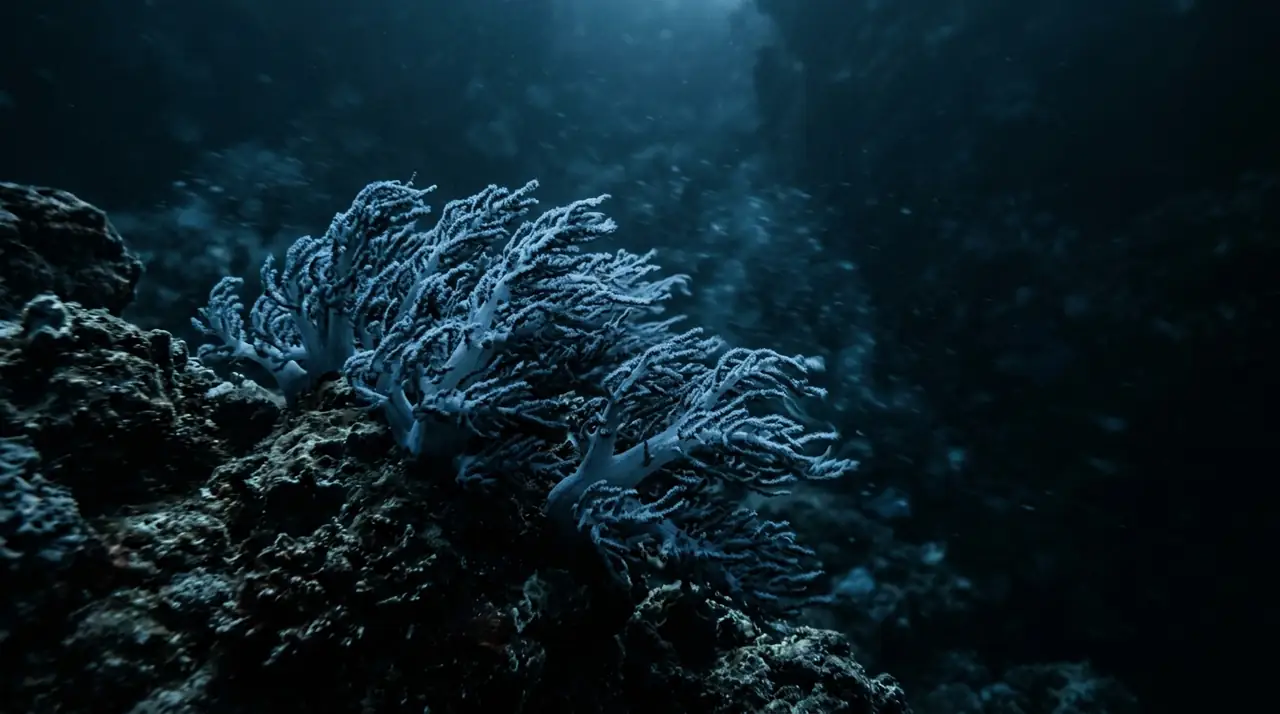
Watamu Marine National Park
Overview
Watamu Marine National Park holds the distinction of being one of Africa's oldest marine protected areas, established in 1968 to safeguard a stretch of Kenya's coast where coral reefs, seagrass beds, and mangrove forests create an ecosystem of exceptional biodiversity. Located along the Kilifi County coastline roughly 120 kilometres north of Mombasa, the park combines coral gardens, rock formations, and sandy channels hosting rich Indian Ocean species and seasonal visitors including whale sharks and manta rays. I descended into warm water at Brain Coral Garden, the park's signature dive site, finding a landscape dominated by massive Porites formations, some standing over three metres tall and possibly centuries old. These enormous brain corals have created a natural labyrinth of arches, swim-throughs, and overhangs. Light filtered through the coral arches in shifting patterns, creating a gentle, cathedral-like atmosphere. The marine life reflects both the Indian Ocean's tropical richness and decades of protection. Giant grouper occupied permanent holes in the reef. Moray eels peered from crevices in every direction. Emperor angelfish cruised along coral faces. Lionfish hovered under ledges. Turtles were the highlight of every dive. During a single 60-minute dive, I encountered three hawksbills and two green turtles, each resting on coral heads or slowly grazing on algae. Their comfort with divers suggested long familiarity with human observers. The seasonal whale shark encounters elevate Watamu beyond a standard tropical reef destination. Between October and March, whale sharks pass through the coastal channel. On a snorkelling excursion between dives, we found a whale shark of perhaps six metres feeding at the surface barely 500 metres from the reef. The park's rocky outcrops formed by ancient coral limestone create walls, caves, and swim-throughs at shallow depths. Sandy channels host blue-spotted rays and octopus. What makes Watamu stand apart is its combination of accessibility, protection, and variety, consistently rewarding and enriched by seasonal megafauna visits that transform good reef diving into something genuinely memorable.
Early access
Plan a dive here
Open the DiveOne planner to sketch a recreational plan before you go. It is a planning assistant, not a dive computer.
Marine life
Dive profile
DEPTH PROFILE
DEPTH PROGRESSION & WAYPOINTS: Watamu Marine National Park
Location
Frequently asked questions
When can I see whale sharks at Watamu?
Whale sharks visit Watamu's waters primarily between October and March, coinciding with the northeast monsoon season that brings nutrient-rich waters along the Kenyan coast. Sightings are most frequent from November to February. Local dive operators and the Watamu Marine Association track sightings and can advise on current activity. Encounters are typically snorkelling-based as the sharks feed at or near the surface. Sightings are not guaranteed but the probability during peak season is reasonably good, with multiple sharks sometimes spotted in a single day.
What is the coral condition like at Watamu?
Watamu's reefs suffered significant coral bleaching during the 1998 El Nino event but have shown steady recovery thanks to the marine park's protection since 1968. Many areas now display healthy hard coral coverage, particularly in the deeper sections and around the massive brain coral formations that give the Brain Coral Garden its name. Coral restoration projects have been active in the park, and the combination of protection and restoration has produced noticeably better reef health compared to unprotected areas along the Kenyan coast.
How do I access the dive sites at Watamu?
Dive sites within the marine park are accessed by boat from Watamu village, with most sites reached within 10 to 20 minutes. A marine park entry fee applies and is collected at the park headquarters or through dive operators. Several dive centres operate from Watamu, offering both guided dive trips and PADI certification courses. Watamu is located approximately 120 kilometres north of Mombasa and is accessible by road, or by flying into Malindi airport, which is 15 kilometres to the north.
Reviews
Reviews
No reviews yet
Data Provenance
This profile is compiled from 3 operator submissions and 142 community logs. Key facts (depth, entry) are verified against official hydrographic charts.