Wakaya Passage
Overview
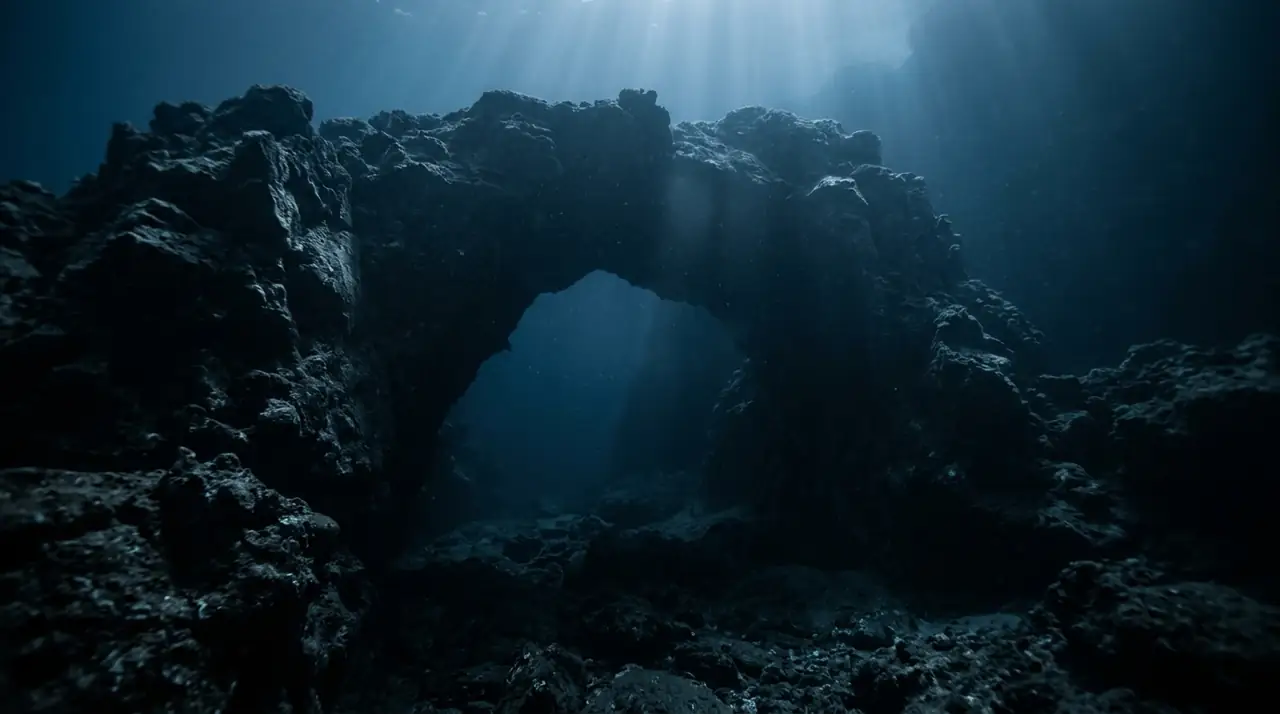
Wakaya Passage channels nutrient-laden currents between Wakaya and Makogai islands in Fiji's Lomaiviti Group, creating a marine highway that has earned a reputation as one of the South Pacific's premier manta ray aggregation sites. The combination of reliable manta encounters, hammerhead sharks in the deeper reaches, and the raw power of oceanic current flowing between volcanic islands makes this a world-class channel dive that rewards experienced divers willing to handle challenging conditions. Our liveaboard anchored in the lee of Wakaya on a July morning with a stiff southeast wind pushing current through the passage. The briefing emphasized current management: negative entry, rapid descent to the reef at eighteen metres, and a plan to tuck behind a coral bommie at the cleaning station. We rolled in and dropped fast. The cleaning station was a coral head at sixteen metres on the channel's northern wall. We settled behind it, partially sheltered from the main flow, and waited. Two minutes later the first manta appeared from downstream, a female with a wingspan of perhaps four metres. She banked into the cleaning station, slowing to near-hovering as cleaner wrasse swarmed her gill plates. Then a second manta arrived. Then two more. Within ten minutes we counted eight mantas circling the station in a stacked holding pattern, each taking its turn at the cleaner fish. The mantas were so focused on cleaning that they passed within two metres of our group, wings tipping to avoid contact. The belly markings on each were distinct, confirming these were individually identifiable animals returning to a known station. Their grace at such close range is humbling. Each wing beat sends a pulse of water you can feel against your face. On the safety stop ascent, the guide signalled to look deep. Below us at perhaps thirty-five metres, in the grey edge of visibility, the unmistakable silhouettes of scalloped hammerheads moved in a loose school. Five or six animals, their distinctive head shape visible even at distance, cruising the deeper channel floor. They were too deep to approach on this dive but their presence confirmed why Wakaya draws advanced divers during the cooler months. A grey reef shark patrolled the cleaning station area throughout the dive, and a school of giant trevally erupted through a baitball at the passage entrance during our surface interval. Wakaya Passage compresses big-animal diving into a single site that delivers reliably during its season.
Early access
Plan a dive here
Open the DiveOne planner to sketch a recreational plan before you go. It is a planning assistant, not a dive computer.
Marine life
Dive profile
DEPTH PROFILE
DEPTH PROGRESSION & WAYPOINTS: Wakaya Passage
Location
Frequently asked questions
How do I get to Wakaya Passage and where should I stay?
Wakaya Passage is located in the Lomaiviti Group east of Viti Levu, Fiji's main island. Access is primarily through liveaboard vessels operating out of Suva or through the few dive operators based on nearby islands. The most popular liveaboard itineraries include Wakaya Passage as part of a broader Bligh Water and Lomaiviti route. There is a luxury resort on Wakaya Island but it caters to a high-end market. Budget and mid-range divers are best served by liveaboard trips of three to seven nights that include multiple Lomaiviti sites.
When is the best time to see mantas and hammerheads at Wakaya?
The manta ray aggregation at Wakaya Passage is most consistent from May to October when cooler nutrient-rich waters flow through the channel. Mantas gather at specific cleaning stations on the reef and are often present in groups of five to twenty individuals. Hammerhead sharks prefer the deeper cooler water and are most commonly spotted between June and September at depths below 25 metres. The combination of cooler water and strong currents during this period makes the diving more challenging but significantly more rewarding for pelagic encounters.
What experience level is needed for Wakaya Passage?
An Advanced Open Water certification and at least 50 logged dives are the minimum recommended by operators working this site. Strong currents are common and can change direction during a single dive. Divers must be comfortable with negative entries, drift techniques, and deploying surface marker buoys. The hammerhead encounters require descending to 30 metres or below where narcosis and limited bottom time are factors. Most liveaboard operators will assess your experience before deciding whether to include Wakaya in your itinerary.
Reviews
Reviews
No reviews yet
Data Provenance
This profile is compiled from 3 operator submissions and 142 community logs. Key facts (depth, entry) are verified against official hydrographic charts.