Wae Rebo Coast
Overview
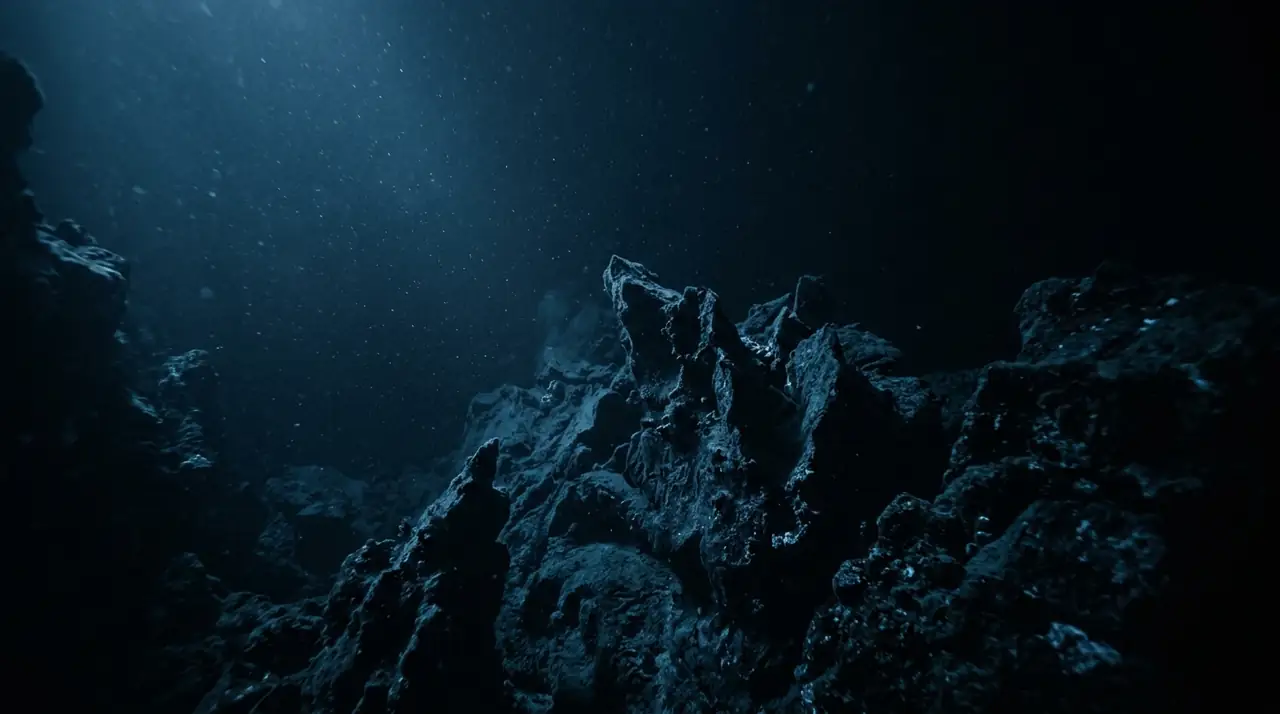
The Wae Rebo Coast is one of Flores's best-kept secrets, a stretch of wild volcanic shoreline beneath the famous mountain village of Wae Rebo where fringing reefs have developed in near-total isolation from the dive industry. While the world's attention focuses on Komodo National Park barely 100 kilometres to the west, this coastline offers reef diving of exceptional quality with the near certainty of being the only divers in the water. The underwater topography reflects the volcanic origins of the coastline. Dark basalt slopes drop from the shoreline at moderate angles, their surfaces colonised by hard coral communities of remarkable density. Massive Porites boulders the size of small cars anchor the upper reef, their surfaces alive with Christmas tree worms and damselfish territories. Between these anchors, branching Acropora fields create dense thickets that shelter clouds of anthias, the tiny fish creating shimmering pink and orange curtains over the coral. The volcanic substrate creates natural swim-throughs and overhangs where the rock has eroded unevenly. These shaded recesses harbour resting reef sharks, moray eels coiled in crevices, and leaf scorpionfish that perfectly mimic dead leaves on the dark substrate. The black sand patches between coral formations are hunting grounds for frogfish and octopus, both exceptionally well camouflaged against the dark volcanic sediment. Macro life along the Wae Rebo Coast is outstanding. Pygmy seahorses cling to gorgonian fans at 18 to 25 metres, and the density of nudibranchs on the reef suggests nutrient conditions that support exceptional invertebrate diversity. Giant clams of impressive size nestle among the coral, their mantles displaying iridescent patterns in the filtered light. The deeper sections of the reef, from 20 to 28 metres, transition to a slope where sea fans and whip corals extend into the current. Napoleon wrasse patrol this zone, and the occasional reef shark passes through on patrol. The clear volcanic water typically provides 20 to 30 metres visibility, allowing divers to appreciate the full scope of the reef architecture. What elevates the Wae Rebo Coast beyond mere diving is the cultural dimension. The coastline sits directly below one of Indonesia's most remarkable traditional villages, where cone-shaped communal houses have stood for centuries at 1,200 metres elevation. Combining underwater exploration of pristine reefs with a trek through rainforest to this living cultural heritage creates a journey that captures something essential about Flores: an island where nature and tradition remain deeply intertwined.
Early access
Plan a dive here
Open the DiveOne planner to sketch a recreational plan before you go. It is a planning assistant, not a dive computer.
Marine life
Dive profile
DEPTH PROFILE
DEPTH PROGRESSION & WAYPOINTS: Wae Rebo Coast
Location
Near Labuan Bajo, in the East Nusa Tenggara region of Indonesia.
Frequently asked questions
How do I access the Wae Rebo Coast dive sites?
The coast is accessed by boat from Labuan Bajo, approximately three to four hours along the northern coast of Flores or two hours from the closer village of Dintor. Very few dive operators currently include this stretch of coastline in their itineraries, but liveaboard trips between Labuan Bajo and Maumere occasionally stop here. Independent arrangements with local boat owners from Dintor are possible but require advance planning.
Can I combine diving with a visit to Wae Rebo village?
Yes, and this combination makes the journey especially worthwhile. Wae Rebo is a traditional Manggarai village perched at 1,200 metres elevation, famous for its cone-shaped communal houses called mbaru niang. The trek from the coast takes approximately three hours uphill through rainforest. Most visitors spend a night in the village. Combining a morning dive on the coastal reef with an afternoon trek to the village creates an experience that blends underwater and cultural exploration.
What makes this reef different from Komodo diving?
While Komodo National Park sits only 100 kilometres west, the Wae Rebo Coast offers a fundamentally different experience. The reefs here are fringing reefs growing on volcanic substrate rather than the current-swept pinnacles and channels of Komodo. Currents are gentler, the diving is more contemplative, and the emphasis shifts from pelagic encounters to macro life and coral diversity. The complete absence of other dive boats creates a sense of genuine exploration.
Reviews
Reviews
No reviews yet
Data Provenance
This profile is compiled from 3 operator submissions and 142 community logs. Key facts (depth, entry) are verified against official hydrographic charts.