Utila North Side Wall
Overview
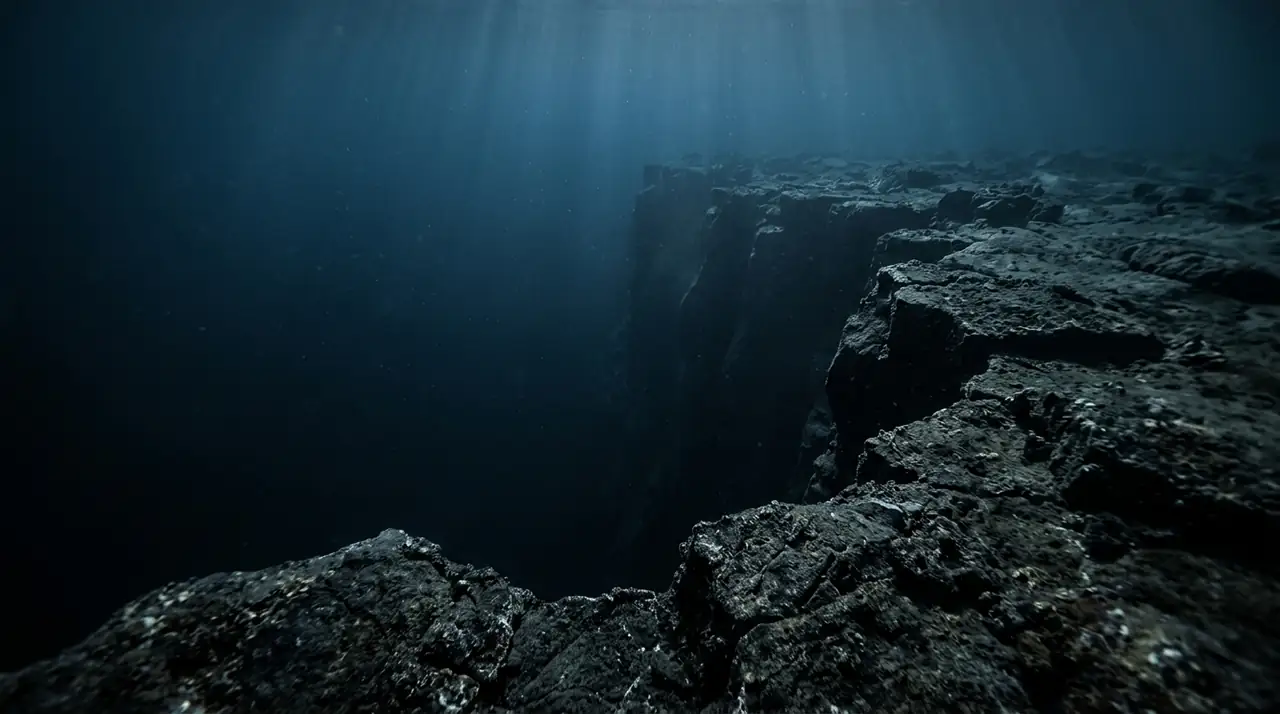
Utila's north side is the island's best-kept secret, a stretch of wall diving along the exposed Caribbean coast that most visitors never see. While the south side handles the bulk of dive training and tourism, the north faces open ocean and the Cayman Trench, delivering wall dives of genuine drama and marine life encounters the south side rarely matches. Access depends on weather. Trade winds push swell against the north coast for much of the year, and only during calm periods can boats safely make the run around the island's tips. When conditions align, typically between March and September, the north wall rewards the effort. I joined a north side trip on a flat-calm morning, the boat rounding Utila's western point into water that shifted from murky green to deep, clear blue. We moored above a wall dropping from a reef crest at 8 metres to vertical nothingness below 40 metres. Visibility exceeded 35 metres, and looking down the wall the depth swallowed the reef into blue infinity. The coral health on the north side is noticeably superior to the south. Elkhorn coral stands are robust and branching freely, and massive barrel sponges line the wall at depth. Reduced diver traffic is visible in the unbroken condition of delicate sea fans. A pair of spotted eagle rays appeared within five minutes, their broad bodies casting shadows as they glided past. Caribbean reef sharks cruise the wall edge with unhurried confidence. Nassau groupers of significant size occupy coral caves, and green moray eels extend from crevices. Schools of horse-eye jacks create swirling silver walls above the reef crest. The north side is also where Utila's whale sharks are most commonly encountered, drawn to the nutrient-rich waters of the Cayman Trench. While whale shark encounters are snorkelling rather than diving events, this proximity adds another dimension. For divers willing to wait for weather windows and venture beyond the comfortable south side, Utila's north wall delivers some of the finest Caribbean wall diving available.
Early access
Plan a dive here
Open the DiveOne planner to sketch a recreational plan before you go. It is a planning assistant, not a dive computer.
Marine life
Dive profile
DEPTH PROFILE
DEPTH PROGRESSION & WAYPOINTS: Utila North Side Wall
Location
Frequently asked questions
Why is the north side of Utila less commonly dived?
The north side of Utila faces the open Caribbean and the prevailing trade winds, which create rougher surface conditions than the sheltered south side for much of the year. This means boats can only safely access the north wall during calm weather windows, which occur most reliably between March and September. Most dive operators default to the calmer, more accessible south side sites, especially for training dives. The limited access has an upside: the north wall receives far fewer divers, and its reefs are noticeably healthier and less impacted than the heavily dived south side.
How does the north side diving compare to CJ's Drop-Off and other known Utila sites?
CJ's Drop-Off and Blackfish Point are on the south side and are Utila's most popular dives, but the north side walls offer arguably better coral coverage, larger marine life, and more dramatic topography. The wall drops are steeper and the reef structure less disturbed by diver traffic. Pelagic encounters with eagle rays, reef sharks, and large schools of jacks are more frequent on the north side due to its exposure to open ocean currents. The trade-off is a rougher boat ride and weather-dependent access. Most experienced Utila divers consider a north side day the highlight of their visit.
What whale shark activity occurs near Utila's north side?
Utila is famous for whale shark encounters, which occur primarily on the north side of the island where the deep waters of the Cayman Trench approach close to shore. Whale shark season runs from March through April and again from August through October, coinciding with plankton blooms. However, whale shark sightings are opportunistic rather than guaranteed, and dedicated whale shark trips involve surface snorkelling rather than scuba diving. If whale sharks are spotted during a north wall dive trip, operators will offer snorkelling opportunities between dives.
Reviews
Reviews
No reviews yet
Data Provenance
This profile is compiled from 3 operator submissions and 142 community logs. Key facts (depth, entry) are verified against official hydrographic charts.