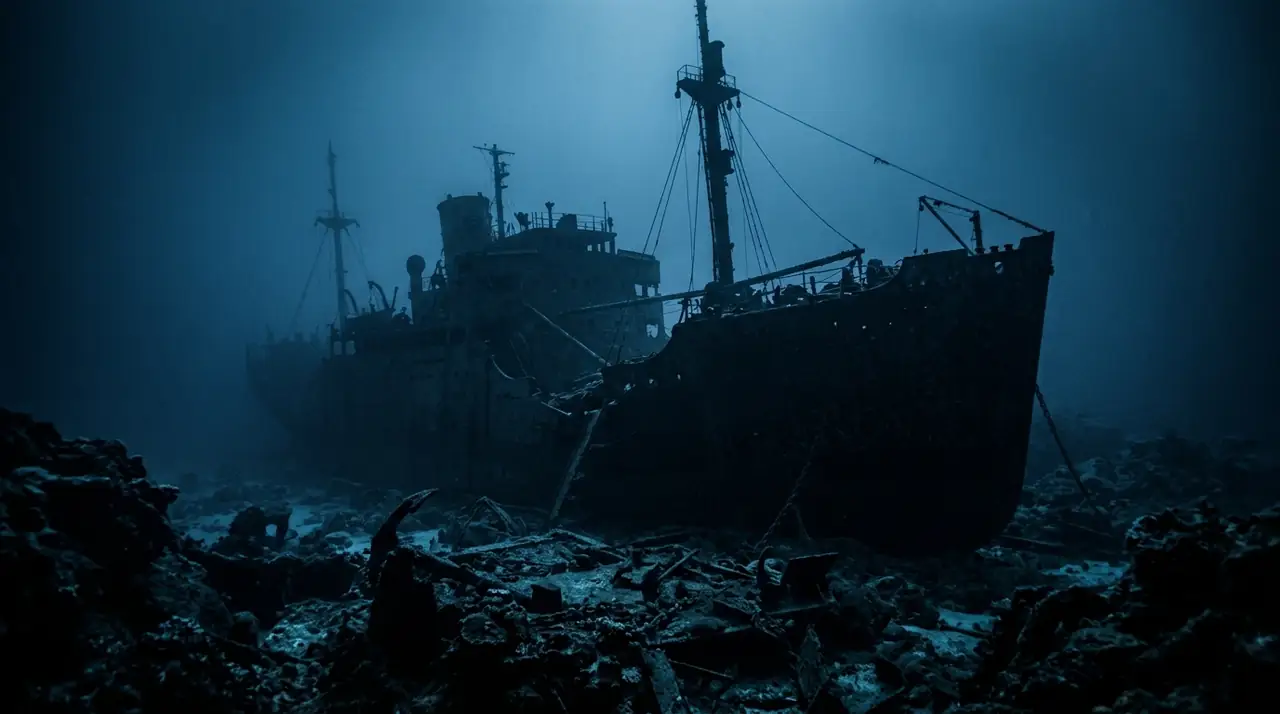
Umm Halhala
Overview
Umm Halhala is the kind of dive site that barely appears on itineraries, mentioned in passing by liveaboard captains who know the deep south intimately but rarely visit without good reason. This isolated pinnacle reef rises from the sandy seabed in the far southern Egyptian Red Sea, and its obscurity is its greatest asset. The coral here grows undisturbed, the turtles have rarely seen divers, and the visibility stretches to absurd distances in water so clear it barely registers as a medium between you and the reef. The pinnacle rises from 25 metres to within 3 metres of the surface, an elongated mound perhaps 200 metres long running northeast to southwest. The upper reef is where the coral steals the show. Table corals dominate the reef crest, some so large that their flat surfaces could serve as dinner tables for six. They overlap in tiers down the slope, creating shaded galleries where fish congregate in the diffused light beneath. I descended the western slope at a leisurely pace. At 12 metres, a green turtle rested on a sandy ledge between two massive coral heads, its eyes half-closed in the reptilian equivalent of a nap. It did not flinch as I settled at eye level three metres away. A remora adjusted position on its shell. This turtle had clearly never been chased or harassed, and that confidence is perhaps the truest indicator of a reef's remoteness. The hard coral diversity is remarkable. Branching staghorn formations created dense thickets on the mid-slope. Brain corals the size of armchairs anchored the lower slope. Fire coral encrusted every exposed ridge. Between the formations, resident fish went about their business: parrotfish crunched coral audibly, surgeonfish grazed in schools, and butterflyfish patrolled in territorial pairs. A whitetip reef shark lay motionless on the sand at the base of the pinnacle, its body curved slightly as it rested in a depression. Two giant moray eels shared a crevice nearby, their mouths gaping rhythmically. A napoleon wrasse appeared from the other side of the pinnacle, circling once before continuing its patrol. The safety stop at 5 metres offered a view down the length of the pinnacle, the entire structure visible in the extraordinary clarity. No other boats. No other divers. Just an ancient reef growing in quiet perfection.
Early access
Plan a dive here
Open the DiveOne planner to sketch a recreational plan before you go. It is a planning assistant, not a dive computer.
Marine life
Dive profile
DEPTH PROFILE
DEPTH PROGRESSION & WAYPOINTS: Umm Halhala
Location
Frequently asked questions
Why is Umm Halhala so rarely dived?
Umm Halhala lies in the far southern Egyptian Red Sea, in an area that requires extended liveaboard itineraries to reach. Most standard southern routes focus on the better-known sites of Fury Shoal, Sataya, and the offshore reefs. Only longer itineraries of six days or more, or those specifically exploring the deep south coastline, include Umm Halhala. This limited traffic has preserved the reef in near-pristine condition with minimal anchor damage or diver impact.
What makes the coral at Umm Halhala special?
The hard coral coverage at Umm Halhala is exceptional even by Red Sea standards. Table corals on the upper reef slope reach extraordinary sizes, some exceeding two metres in diameter, indicating decades of undisturbed growth. The diversity of hard coral species is also notable, with extensive formations of staghorn, brain, plate, and encrusting corals creating a complex three-dimensional habitat. The pristine condition reflects the minimal human impact this remote reef receives.
Are there sharks at Umm Halhala?
Whitetip reef sharks are regularly seen resting on sandy ledges around the pinnacle, particularly on early morning dives. Grey reef sharks occasionally patrol the deeper sections. However, Umm Halhala is primarily a reef ecosystem site rather than a dedicated shark dive. The marine life appeal lies in the overall health and diversity of the reef community rather than guaranteed large pelagic encounters.
Reviews
Reviews
No reviews yet
Data Provenance
This profile is compiled from 3 operator submissions and 142 community logs. Key facts (depth, entry) are verified against official hydrographic charts.