Two Mile Reef
Overview
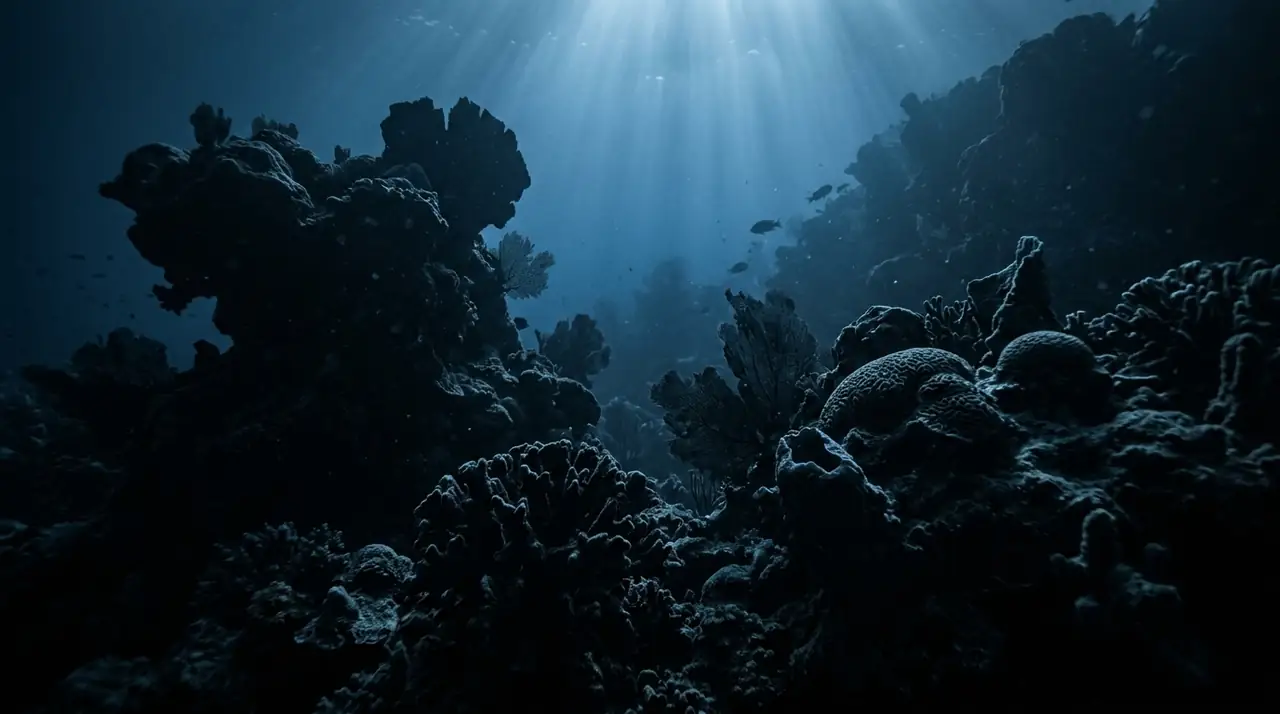
Two Mile Reef at Sodwana Bay lies within the iSimangaliso Wetland Park on the northern KwaZulu-Natal coast, forming part of the southernmost tropical coral reef system on the African continent. Stretching approximately 1.8 kilometres in length and 900 metres wide, this UNESCO World Heritage reef hosts an extraordinary concentration of marine biodiversity that rivals many equatorial destinations. The reef's topography is endlessly varied, with rocky outcrops rising from white sand, coral-filled gullies, swim-throughs, and small caverns creating a three-dimensional underwater landscape. The shallower sections start at around 9 metres, where hard corals dominate and clouds of tropical fish swirl in the warm Indian Ocean current. As you descend toward the outer edge, the reef transitions to the famous Sponge Reef area at 30-35 metres, where massive barrel sponges and gorgonian fans create habitat for rare nudibranchs and frogfish that macro photographers travel from around the world to document. Two Mile Reef's signature residents are the impossibly friendly potato bass, enormous groupers that approach divers with puppy-like curiosity and regularly pose for photographs at arm's length. Green turtles cruise the reef throughout the year, while ragged-tooth sharks take up temporary residence from December through February. During summer months, whale shark encounters add a spectacular dimension to dives, with these gentle giants filtering plankton in the warm surface waters above the reef. All dives at Sodwana Bay begin with an exhilarating rigid inflatable boat launch through the surf from the beach. The ride to Two Mile Reef takes around 15 minutes, and operators run multiple dives daily. Visibility ranges from 15 to 30 metres, with peak clarity from January through May when water temperatures hover around 26-28 degrees Celsius. The reef's accessibility, warm water, mild currents, and sheer abundance of life make Sodwana Bay a must-visit destination for divers at every certification level.
Early access
Plan a dive here
Open the DiveOne planner to sketch a recreational plan before you go. It is a planning assistant, not a dive computer.
Marine life
Dive profile
DEPTH PROFILE
DEPTH PROGRESSION & WAYPOINTS: Two Mile Reef
Location
Near Sodwana Bay, in the KwaZulu-Natal region of South Africa.
Frequently asked questions
What makes Two Mile Reef at Sodwana Bay so special?
Two Mile Reef is part of the southernmost tropical coral reef system in Africa, lying within the iSimangaliso Wetland Park UNESCO World Heritage Site. It hosts over 1,200 species of reef fish and 100 species of hard and soft coral. The reef's varied topography of caves, swim-throughs, and sand patches supports an incredible density of marine life rarely matched at this latitude.
Can beginner divers dive Two Mile Reef?
Yes, Two Mile Reef is suitable for divers of all levels. The reef starts at around 9 metres depth and features many areas between 12 and 18 metres, perfect for Open Water certified divers. Deeper sections along the outer Sponge Reef reach 32-35 metres for more experienced divers. Currents are generally mild.
When can you see whale sharks at Sodwana Bay?
Whale sharks are most commonly spotted between November and March, when warm waters from the Agulhas Current bring plankton-rich conditions. Sightings are not guaranteed but are relatively frequent during peak season. Ragged-tooth sharks are present from December to February during the early stages of their gestation period.
Reviews
Reviews
No reviews yet
Data Provenance
This profile is compiled from 3 operator submissions and 142 community logs. Key facts (depth, entry) are verified against official hydrographic charts.