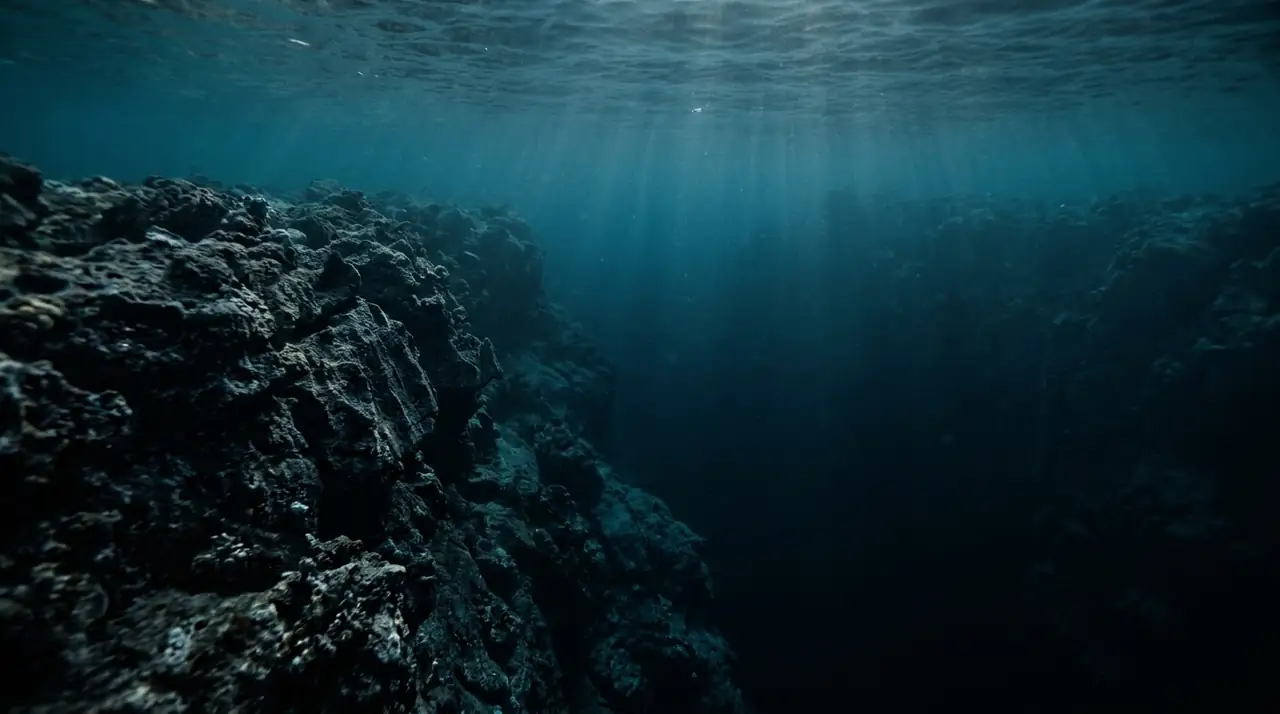
Twin Rocks
Overview
Twin Rocks is the dive site that put Anilao on the global macro photography map. Located a short boat ride from the cluster of dive resorts along Batangas' southern coast, this pair of coral-encrusted rock formations rises from a sandy slope at around 25 metres to within 8 metres of the surface, connected by a rubble saddle that serves as a critter superhighway. If you dive anywhere in Anilao, you dive Twin Rocks. I descended to the sandy base of the western rock and began the slow, methodical circuit that macro diving demands. Within two metres of the mooring line, my guide pointed out a painted frogfish the size of a tennis ball, its warty skin perfectly matching the orange sponge it had adopted as its backdrop. Three metres further, a hairy frogfish clung to a rope sponge, its filamentous appendages swaying gently with each passing surge. Anilao's frogfish density is legendary, and Twin Rocks is where that legend is born. The saddle between the two rocks was nudibranch paradise. I lost count of the species after a dozen different varieties within the first ten minutes. Chromodoris in electric blue and orange, tiny Favorinus feeding on eggs, and the spectacular Spanish dancer were all present. A blue-ringed octopus hunted through the rubble, its warning rings pulsing luminescent blue. On a small overhang, a pair of harlequin shrimp methodically dismembered a sea star, their painted purple and white bodies vivid against the dark substrate. The crown jewel of any Twin Rocks dive is the flamboyant cuttlefish, a creature so bizarre and beautiful it seems designed by an artist rather than evolution. I found one walking across the sand on its lower tentacles, its skin rippling with waves of purple, yellow, and white in the hypnotic display that gives this species its name. Ghost pipefish hung vertically among crinoid arms, ribbon eels peered from their burrows, and seahorses wrapped their tails around hydroids. Twin Rocks is not a dive site for speed. It is a dive site for wonder.
Early access
Plan a dive here
Open the DiveOne planner to sketch a recreational plan before you go. It is a planning assistant, not a dive computer.
Marine life
Dive profile
DEPTH PROFILE
DEPTH PROGRESSION & WAYPOINTS: Twin Rocks
Location
Frequently asked questions
Why is Twin Rocks considered the best macro dive in Anilao?
Twin Rocks combines ideal topography with optimal habitat for macro critters. The twin rock formations create shelter from current, the surrounding rubble and sand provide substrate for muck species like frogfish and flamboyant cuttlefish, and the coral growth on the rocks themselves hosts nudibranchs, seahorses, and ghost pipefish. The site's proximity to deeper water brings nutrient-rich upwelling that supports an unusually dense concentration of small marine life. Most Anilao dive guides consider it their go-to site for guaranteed critter sightings.
How far is Twin Rocks from Manila?
Twin Rocks is accessible from Manila in approximately three hours. Drive south via SLEX and STAR Tollway to Batangas City, then follow the coastal road west to Anilao, Mabini municipality. Most Anilao dive resorts are located along the Anilao coastline, and Twin Rocks is a short 10 to 15-minute boat ride from the majority of resort jetties. The proximity to Manila makes Anilao and Twin Rocks the most accessible world-class macro diving destination from a major Asian capital.
What camera setup should I bring for Twin Rocks?
Macro is king at Twin Rocks. A dedicated macro lens in the 60mm to 105mm range is ideal for the majority of subjects, from nudibranchs to seahorses to frogfish. A diopter or wet lens for super-macro work is recommended for the many subjects under two centimetres in size. Bring a snoot or focused strobe for isolating small subjects against the rubble background. Wide-angle has limited utility here unless you want context shots of the twin rock formations themselves. Slow, patient diving with good buoyancy control will yield far more sightings than covering distance.
Reviews
Reviews
No reviews yet
Data Provenance
This profile is compiled from 3 operator submissions and 142 community logs. Key facts (depth, entry) are verified against official hydrographic charts.