Coron Twin Lagoons
Overview
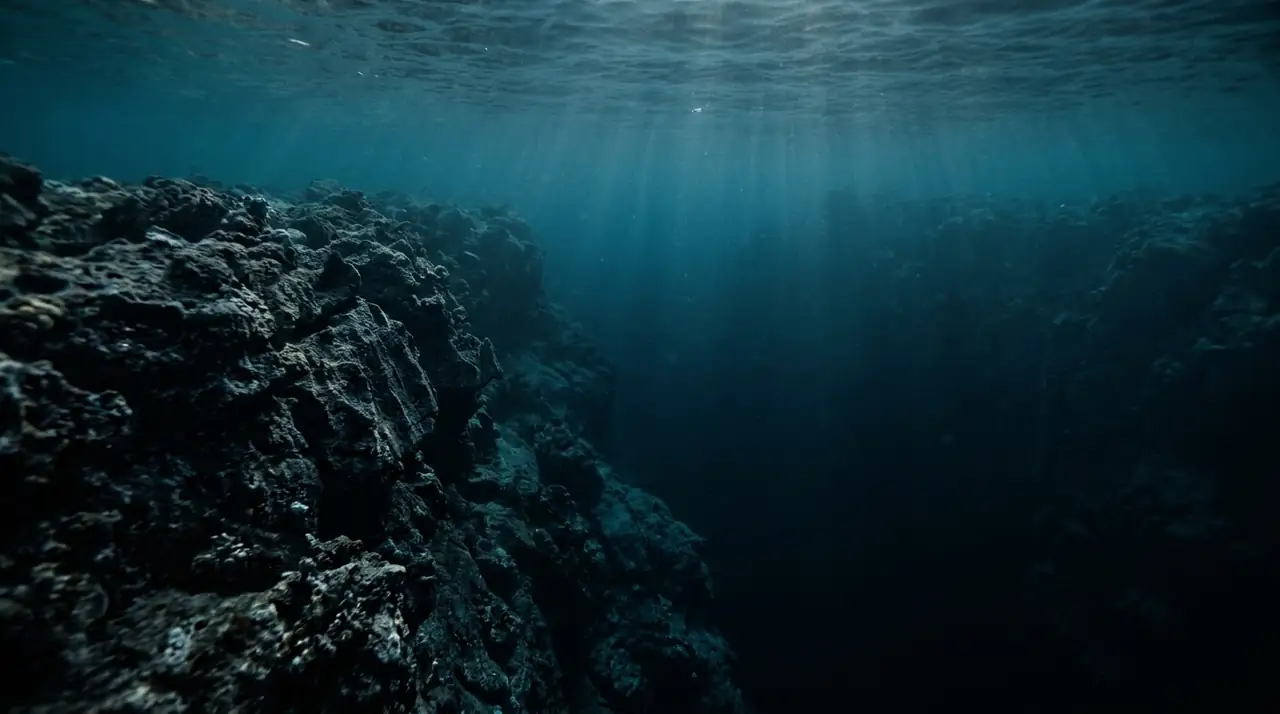
The Twin Lagoons of Coron Island are one of the Philippines' most visually extraordinary dive environments, two enclosed bodies of water surrounded by towering limestone karst cliffs that rise 50 metres above the waterline, connected by an underwater passage that divers navigate between worlds of different temperature, salinity, and colour. Coron Island is an ancestral domain of the Tagbanwa people, and access to its lagoons and lakes is managed by the indigenous community. The Twin Lagoons sit within a collapsed limestone formation, their walls rising in sheer white and grey faces that reflect in the mirror-still water on calm mornings. The outer lagoon opens to the sea through a narrow channel, while the inner lagoon is almost entirely enclosed, creating the conditions for the site's most remarkable feature: a dramatic layering of freshwater, saltwater, and geothermally heated water. Entering the water in the outer lagoon, conditions are clear and marine. Visibility typically exceeds 20 metres, and small schools of rabbitfish and cardinalfish swim along the limestone walls. The walls themselves continue underwater, their white surfaces providing a luminous backdrop unlike the dark volcanic rock of most Philippine dive sites. The passage connecting the two lagoons appears at 3 to 4 metres depth, a natural tunnel approximately 10 metres long and 3 metres wide at its narrowest point, with limestone overhead. Navigating the passage is the dive's centrepiece. Natural light glows from both ends, and the walls are smooth from millennia of water flow. Emerging into the inner lagoon, the change is immediate and dramatic. The water becomes warmer, sometimes much warmer, as geothermal springs on the lagoon floor release freshwater at temperatures reaching 38 degrees. This warm freshwater sits above the cooler saltwater, creating a visible halocline at 8 to 10 metres where the two layers meet in shimmering, mercury-like distortions. Descending through the thermocline is a sensory experience unlike conventional diving. Temperature shifts by 10 degrees or more within a single metre of depth, and the visual distortion at the boundary layer makes objects below appear to ripple and blur. The deeper saltwater layer is cooler and clearer, its visibility often exceeding 30 metres against the white limestone walls. The inner lagoon's marine life is modest but adapted to these unusual conditions. Small gobies and shrimps inhabit the rocky substrate, and occasional sea snakes hunt through the crevices. The visual drama here is geological and hydrological rather than biological, the towering karst walls rising from turquoise water, the play of light on limestone, and the physical sensation of moving between water masses of different character. The Twin Lagoons experience extends above water as dramatically as below. The karst formations create a natural amphitheatre of weathered limestone, with ferns and tropical vegetation clinging to every horizontal surface. Swimming on the surface between dives, looking up at 50-metre walls against blue sky, provides perspective on the geological processes that created these formations over millions of years.
Early access
Plan a dive here
Open the DiveOne planner to sketch a recreational plan before you go. It is a planning assistant, not a dive computer.
Marine life
Dive profile
DEPTH PROFILE
DEPTH PROGRESSION & WAYPOINTS: Coron Twin Lagoons
Location
Frequently asked questions
Why does the water temperature change so dramatically in the Twin Lagoons?
The inner lagoon receives geothermal heating from underground volcanic activity in the Coron Island limestone. Freshwater springs at the lagoon bottom release water at temperatures reaching 38 degrees Celsius or higher. This warm freshwater sits above the denser saltwater that enters through the connecting passage, creating a distinct thermocline. Descending through this boundary layer is a remarkable sensation as temperature can change by 10 degrees within a metre of depth.
Do I need cave diving certification for the Twin Lagoons?
No, the connecting passage between the lagoons is technically a swim-through rather than a cave, as natural light is visible throughout and the passage is short, approximately 10 metres long. However, the passage is narrow in places and overhead rock is present, so good buoyancy control is essential. Some operators classify this as a cavern environment and require intermediate certification or demonstrated competence. The rest of the dive within the lagoons themselves is open water.
What is the best time of day to dive the Twin Lagoons?
Early morning before 08:00 offers the best experience, as tour boats carrying snorkellers and swimmers typically arrive from 09:00 onward. The morning light entering the lagoons through the karst openings creates spectacular light beams that penetrate the clear water. Afternoon dives after 15:00 also work well as the day-trip boats have departed. Midday is best avoided due to both crowds and the harsh overhead light that eliminates the atmospheric lighting effects.
Reviews
Reviews
No reviews yet
Data Provenance
This profile is compiled from 3 operator submissions and 142 community logs. Key facts (depth, entry) are verified against official hydrographic charts.