Tunku Abdul Rahman Outer Reef
Overview
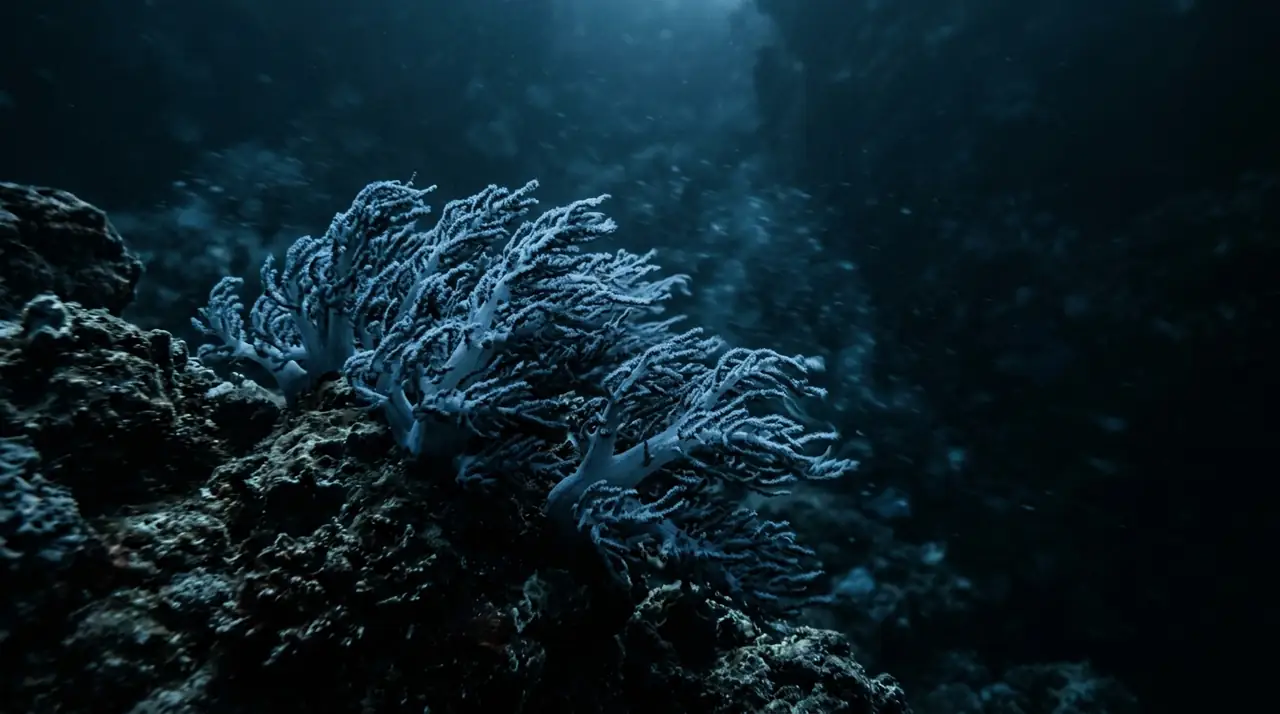
Tunku Abdul Rahman Marine Park comprises five islands scattered across the bay from Kota Kinabalu, Sabah's bustling capital on the northwest coast of Borneo. Most visitors know these islands as snorkelling and beach destinations, ferrying across from Jesselton Point to spend afternoons on white sand. But the outer reef fringe, facing the open South China Sea on the western side of the island chain, offers diving that bears little resemblance to the trampled shallows of the tourist beaches. I dived the outer reef on an April morning when the sea was unusually calm, the kind of flat conditions that make the exposed side accessible perhaps sixty per cent of the time during the dry season. Our boat curved around the western tip of Gaya Island, leaving behind the sheltered waters where tourist ferries buzzed, and anchored above a reef slope that descended from eight to twenty metres before meeting a sandy bottom. The difference from the inner reefs was immediately apparent. The coral here was healthier, denser, and more diverse. Massive Porites heads the size of small cars anchored the reef structure, their surfaces colonised by Christmas tree worms in red, blue, and orange spirals. Between the massive corals, branching Acropora tables created layered habitat, their undersides sheltering cuttlefish that watched me with their remarkable W-shaped pupils, changing colour in rolling waves across their bodies as they assessed whether I posed a threat. The current, a gentle but persistent push from the northwest, brought visibility that reached eighteen metres on the deeper sections. It also brought fish. A school of chevron barracuda, perhaps sixty strong, hung in the blue water off the reef edge, their striped flanks creating a shimmering wall of silver. They parted around me as I drifted through, reforming behind with a precision that seemed choreographed. Beneath them, a blacktip reef shark cruised the sand channel at the base of the reef, its movements unhurried and confident.
Early access
Plan a dive here
Open the DiveOne planner to sketch a recreational plan before you go. It is a planning assistant, not a dive computer.
Marine life
Dive profile
DEPTH PROFILE
DEPTH PROGRESSION & WAYPOINTS: Tunku Abdul Rahman Outer Reef
Location
Frequently asked questions
How does the outer reef differ from the inner reefs at Tunku Abdul Rahman?
The inner reefs of Tunku Abdul Rahman Marine Park, around Sapi and Manukan islands, are heavily visited by snorkellers and day trippers, resulting in some coral damage and habituated marine life. The outer reef faces the open South China Sea and receives stronger currents that bring cleaner, cooler water. Coral health is noticeably better, with more diverse hard coral species and healthier soft coral coverage. Fish are larger and more varied, including regular sightings of blacktip reef sharks and large schools of barracuda that rarely venture to the sheltered inner reefs. Visibility is also typically better on the outer reef, though conditions are more weather-dependent and the site may be inaccessible during rough seas.
What is the best time of year to dive the outer reef?
The dry season from March to October offers the most consistent diving conditions on the outer reef. During this period, the prevailing winds are calmer and the seas around the islands are generally flat enough for comfortable boat diving. The wettest months from November to February can still produce diveable days, but the outer reef is more exposed to northeast monsoon swells and visibility drops significantly after heavy rain washes sediment from the mainland rivers. April to June typically offers the best visibility, while September and October bring the warmest water temperatures and the most diverse fish aggregations.
Can beginners dive the outer reef at Tunku Abdul Rahman?
The outer reef is best suited to intermediate divers with at least twenty logged dives and comfort in moderate currents. The current can be unpredictable and occasionally strong, particularly during tidal changes, making buoyancy control important. Some dive centres will take advanced Open Water divers to the outer reef on calm days, but most beginners are directed to the more sheltered inner reef sites around Sapi and Manukan islands. These inner sites offer genuine diving experiences with abundant marine life in calmer conditions. For divers wanting to progress to the outer reef, the inner sites serve as excellent warm-up dives to assess comfort levels.
Reviews
Reviews
No reviews yet
Data Provenance
This profile is compiled from 3 operator submissions and 142 community logs. Key facts (depth, entry) are verified against official hydrographic charts.