Tukang Besi Outer Reef
Overview
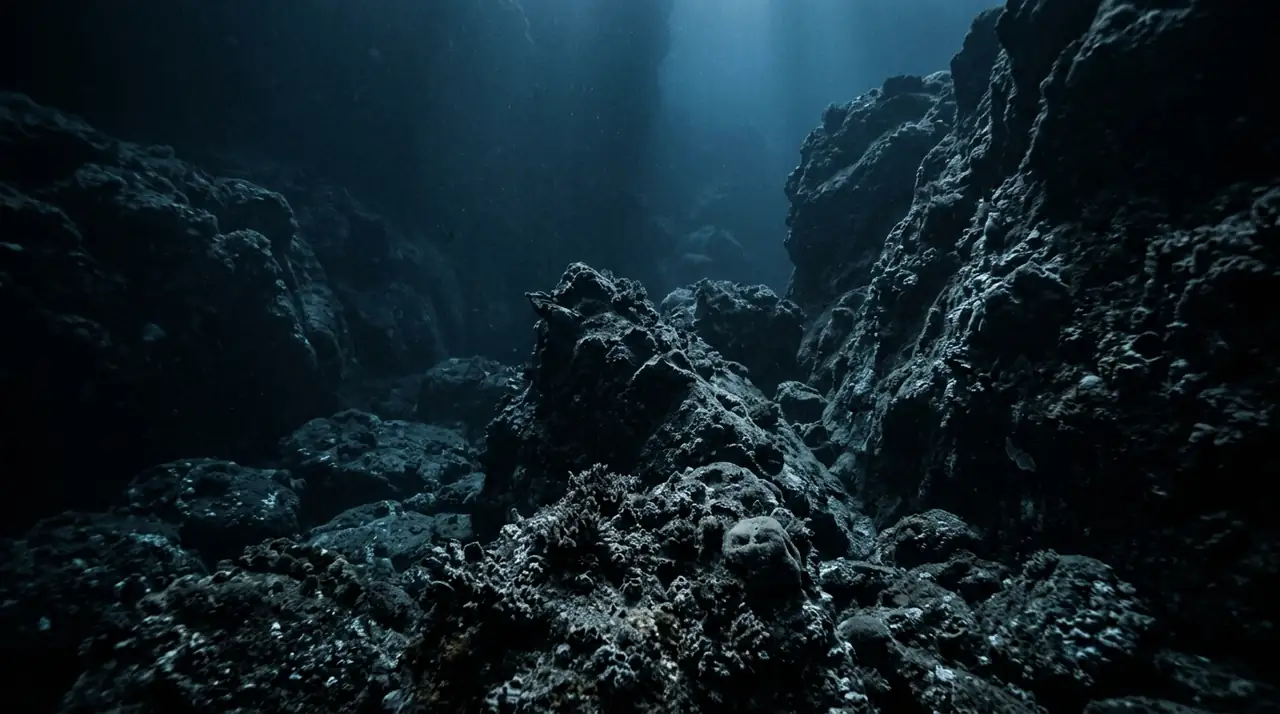
The Tukang Besi outer reef is where Wakatobi's protected lagoon system meets the open Banda Sea, and the transition is dramatic. Inside the barrier reef, conditions are calm and macro life dominates. Outside, the reef drops as a sheer wall into oceanic depths, currents accelerate along the face, and the cast of characters shifts from nudibranchs and pygmy seahorses to grey reef sharks, eagle rays, and schools of dogtooth tuna. The coral on these outer walls is extraordinary even by Wakatobi standards. With over 400 hard coral species documented across the Tukang Besi reef system, these outer faces receive the most consistent water flow and consequently support some of the densest coral coverage. Massive table corals extend from the wall in overlapping tiers, and soft coral trees in reds and oranges sway with the surge, creating a vertical garden that extends as far as visibility allows. I dropped over the wall edge at 5 metres and the bottom simply vanished. The wall fell away into a blue so deep it turned black, and the sense of exposure was immediate. A school of perhaps two hundred bigeye trevally spiralled upward from the depths, their silver flanks catching the light as they turned. Beyond them, two grey reef sharks worked the current line with the efficient, purposeful swimming that signals active hunting rather than idle cruising. The reef structure itself is riddled with overhangs, small caves, and crevices where a completely different community thrives in the shadows. Hawksbill turtles wedge themselves into resting spots on the wall, giant moray eels peer from holes, and colourful sponges and tunicates carpet every shaded surface. A single dive here spans the full spectrum from coral macro to open-water pelagic. Access to the outer reef requires planning. The boat ride from Wangi-Wangi takes up to an hour, and conditions must be assessed carefully. But when the current cooperates and visibility opens to 35 metres or beyond, the Tukang Besi outer reef reveals why the Coral Triangle's finest reef systems are worth the effort to reach their exposed edges.
Early access
Plan a dive here
Open the DiveOne planner to sketch a recreational plan before you go. It is a planning assistant, not a dive computer.
Marine life
Dive profile
DEPTH PROFILE
DEPTH PROGRESSION & WAYPOINTS: Tukang Besi Outer Reef
Location
Near Wangi-Wangi, in the Southeast Sulawesi region of Indonesia.
Frequently asked questions
What makes the Tukang Besi outer reef different from Wakatobi's inner sites?
The Tukang Besi archipelago consists of four main islands surrounded by an extensive barrier reef system. Most diving operations focus on the inner lagoon reefs and house reefs, which offer calm conditions and extraordinary macro life. The outer barrier reef faces the open Banda Sea, receiving oceanic currents that bring dramatically different marine life. Walls here are steeper and more exposed, coral coverage is denser due to constant nutrient flow, and pelagic species patrol the blue water beyond the reef edge. Access requires longer boat rides and conditions can change rapidly.
How strong are the currents at the outer reef?
Currents at the outer barrier reef can be strong and unpredictable, particularly during tidal changes when the Banda Sea pushes water across the reef system. Experienced guides time dives to incoming tides when visibility peaks and current flows along the wall rather than pushing divers off it. Down-currents are possible near corners and channels in the reef structure. All divers should carry surface marker buoys and be comfortable with drift diving techniques. During calm periods between tidal shifts, conditions can be surprisingly gentle.
Do I need to stay at the Wakatobi resort to dive the outer reef?
While the Wakatobi Dive Resort is the most established operation in the archipelago, several locally owned dive centres on Wangi-Wangi and Kaledupa islands also offer diving. Outer reef trips require larger, more seaworthy boats and are typically offered as special excursion days rather than daily dives. The boat ride from Wangi-Wangi town to the outer reef takes 45 to 90 minutes depending on which section you target. Some liveaboard operations passing through the region also include outer reef dives in their itineraries.
Reviews
Reviews
No reviews yet
Data Provenance
This profile is compiled from 3 operator submissions and 142 community logs. Key facts (depth, entry) are verified against official hydrographic charts.