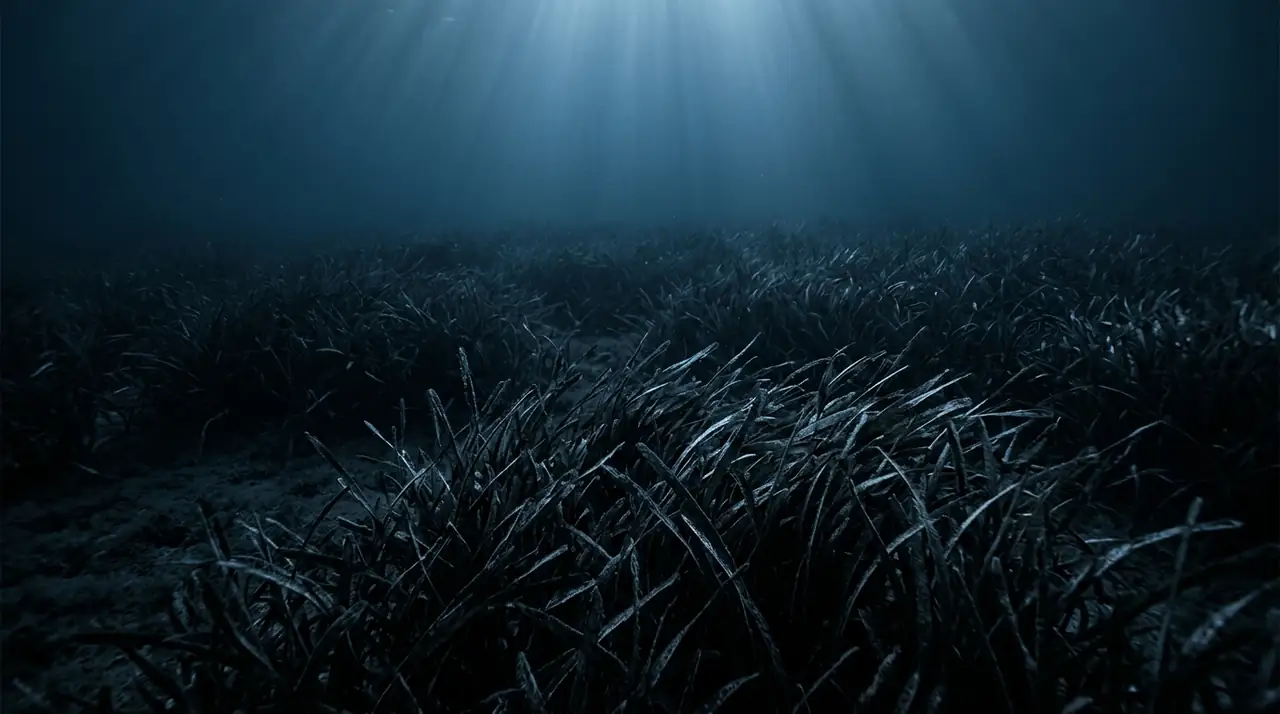
Tubbataha North Atoll Approach
Overview
Tubbataha Reefs Natural Park is the crown jewel of Philippine marine conservation, a UNESCO World Heritage Site in the middle of the Sulu Sea accessible only by liveaboard during a narrow March-to-June window. Most diving focuses on the dramatic walls of the North and South Atolls, but the North Atoll Approach offers something the walls cannot: a sloping reef transition zone where the atoll meets the open ocean, and where the largest predators in the Sulu Sea come to hunt. The approach is not a single point but a broad arc along the northern face of the North Atoll, where the reef crest gradually gives way to a coral slope descending from five metres to sandy bottom at thirty-five. Between the coral formations, sand channels create highways that large animals follow. The current here is often strong, driven by the interaction of Sulu Sea circulation patterns with the atoll's mass, and it brings with it the nutrients and prey that attract apex predators. Tiger sharks are the North Approach's most celebrated residents. These massive animals patrol the sandy channels during the diving season, drawn by the green sea turtles that nest on the atoll's sandy islets. I watched a three-metre tiger cruise along a sand channel at twenty metres, its striped flanks unmistakable, moving with the effortless power that makes this species simultaneously beautiful and sobering. It showed no interest in divers, focused entirely on its patrol pattern. The reef itself is Tubbataha at its finest. Hard coral coverage exceeds seventy percent on the upper slope, with massive Porites colonies, branching Acropora thickets, and table corals creating a three-dimensional habitat of extraordinary complexity. Schools of bumphead parrotfish move across the reef in herds, crunching coral audibly. Napoleon wrasses of breeding size cruise with territorial confidence. Grey reef sharks and whitetips populate the deeper sections.
Early access
Plan a dive here
Open the DiveOne planner to sketch a recreational plan before you go. It is a planning assistant, not a dive computer.
Marine life
Dive profile
DEPTH PROFILE
DEPTH PROGRESSION & WAYPOINTS: Tubbataha North Atoll Approach
Location
Frequently asked questions
How is the North Atoll Approach different from other Tubbataha dive sites?
Most Tubbataha dive sites are positioned along the eastern and western walls of both atolls, where the reef drops vertically. The North Atoll Approach is the sloping transition zone where the atoll's northern reef gradually descends from the shallow lagoon into the open Sulu Sea. This graduated slope creates a different habitat: sandy channels between coral formations that tiger sharks patrol, a gradual depth change that mantas use for feeding runs, and an exposure to open-ocean currents that concentrate pelagic species. It is less of a wall dive and more of an open-water reef encounter.
When is the Tubbataha diving season and how do I book?
Tubbataha Reefs Natural Park is open to diving only from mid-March to mid-June, when the northeast monsoon has subsided and the Sulu Sea is calm enough for the 10 to 12 hour overnight crossing from Puerto Princesa. All access is by liveaboard vessel, and the limited season combined with strict visitor controls means that spaces book out months in advance. A conservation fee is collected per diver, and vessels must be registered with the park management. Booking through established liveaboard operators in Puerto Princesa is the standard approach.
Are tiger shark encounters reliable at the North Atoll Approach?
Tiger shark encounters at the North Atoll Approach are among the most reliable in the Philippines but are not guaranteed on every dive. During the March to June season, tigers patrol the sandy slope between 15 and 30 metres with increasing frequency as turtle nesting season progresses, as the turtles provide a food source. Encounters typically involve one or two individuals cruising the slope at a measured distance, though closer passes do occur. Liveaboard crews are experienced at reading conditions and positioning divers where encounters are most likely.
Reviews
Reviews
No reviews yet
Data Provenance
This profile is compiled from 3 operator submissions and 142 community logs. Key facts (depth, entry) are verified against official hydrographic charts.