Trondheim Fjord Wrecks
Overview
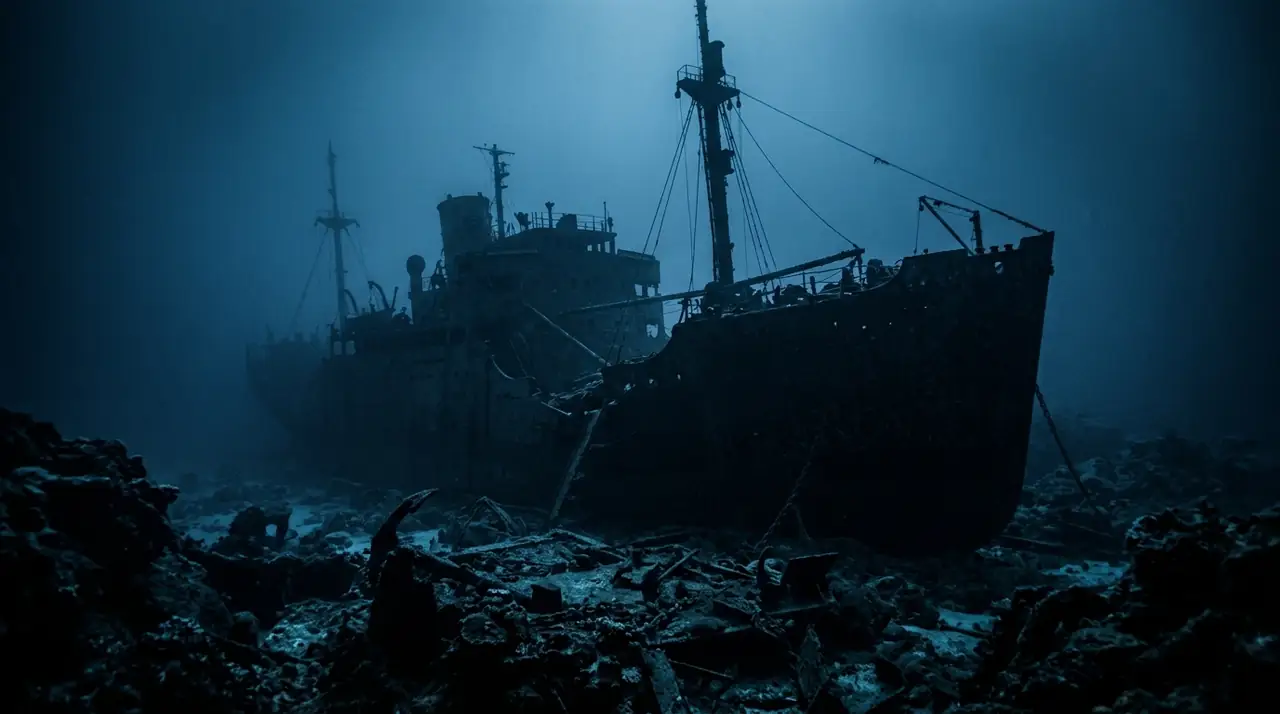
Trondheim Fjord extends over 130 kilometres from Norway's third-largest city into the heart of Trondelag, a deep glacial waterway that has served as one of Scandinavia's most important maritime corridors for over a thousand years. Viking longships, Hanseatic trading vessels, and World War II warships have all navigated these waters, and many never completed the passage. For wreck divers, the fjord is a repository of maritime history in cold, clear Norwegian water. Trondheim's strategic importance during World War II was immense. The German Kriegsmarine used the city as a major naval base, and the fjord sheltered battleships, destroyers, and submarine flotillas. Allied air raids targeted the installations repeatedly, and several vessels were sunk. These wrecks now lie at depths from twenty to well beyond sixty metres, the shallower ones accessible to advanced recreational divers, the deeper ones the domain of technical teams. Descending through the green-grey water column, the temperature drops steadily. Even in midsummer, bottom temperatures hover around six degrees Celsius, and the drysuit becomes critical life support. Light diminishes with depth, and by thirty metres the torch becomes the primary source. Then the wreck materialises from the gloom: steel plates encrusted with dead man's fingers soft coral, the outline of a vessel preserved in cold water with a clarity that warmer seas rarely permit. The cold water that makes diving demanding also preserves wrecks remarkably well. Wooden decking that would rot in tropical waters survives decades here. Paint remains visible on hulls. White and orange dead man's fingers coral create gardens on the steel, and fields of plumose anemones wave in the mild current. Wolf fish, with their distinctive blunt faces, occupy crevices in the wreckage, staring at divers with apparent indifference. Beyond the war wrecks, the fjord contains older maritime casualties and purpose-sunk vessels. The diversity across different eras makes Trondheim Fjord a living museum of Scandinavian maritime history. Trondheim itself provides good infrastructure for diving visitors, including dive shops, equipment servicing, and experienced guides. The combination of accessible city amenities and remote cold-water wreck diving appeals to serious divers seeking experiences beyond the tropics.
Early access
Plan a dive here
Open the DiveOne planner to sketch a recreational plan before you go. It is a planning assistant, not a dive computer.
Marine life
Dive profile
DEPTH PROFILE
DEPTH PROGRESSION & WAYPOINTS: Trondheim Fjord Wrecks
Location
Frequently asked questions
What World War II wrecks can be dived in Trondheim Fjord?
Trondheim Fjord contains several World War Two era wrecks from the German occupation of Norway between 1940 and 1945. Trondheim served as a major German naval base, and several vessels were lost to Allied air attacks and naval operations. Diveable wrecks include supply vessels and naval escorts at recreational and technical depths. Some of the most intact wrecks lie in the deeper sections of the fjord and require technical diving qualifications. The historical significance of these wrecks is substantial, and they are protected under Norwegian cultural heritage law, meaning removal of artifacts is prohibited.
What equipment do I need for wreck diving in Trondheim Fjord?
Wreck diving in Trondheim Fjord requires a drysuit due to water temperatures ranging from 4 to 14 degrees Celsius. Undergarments rated for the temperature, dry gloves or thick wet gloves, and a hood are essential. Twin tank configurations are standard for deeper wrecks, and stage bottles for decompression are common on technical dives. Powerful primary and backup lights are necessary, as the fjord depths receive limited natural light even in summer. Surface marker buoys are required. Most divers carry redundant breathing systems. Dive operators in Trondheim provide tank fills and can arrange equipment rental for visiting divers.
What is the best time of year to dive in Trondheim?
The diving season in Trondheim runs from May through September, with the best conditions typically in June through August. During these months, water temperatures in the upper layers reach 10 to 14 degrees Celsius, and the extended daylight of the Norwegian summer provides surface light well into the evening. Visibility is variable and influenced by plankton blooms and meltwater, ranging from 5 to 15 metres. Spring plankton blooms in April and May can reduce visibility significantly. Autumn diving in September and October offers improving visibility as plankton subsides but cooling temperatures.
Reviews
Reviews
No reviews yet
Data Provenance
This profile is compiled from 3 operator submissions and 142 community logs. Key facts (depth, entry) are verified against official hydrographic charts.