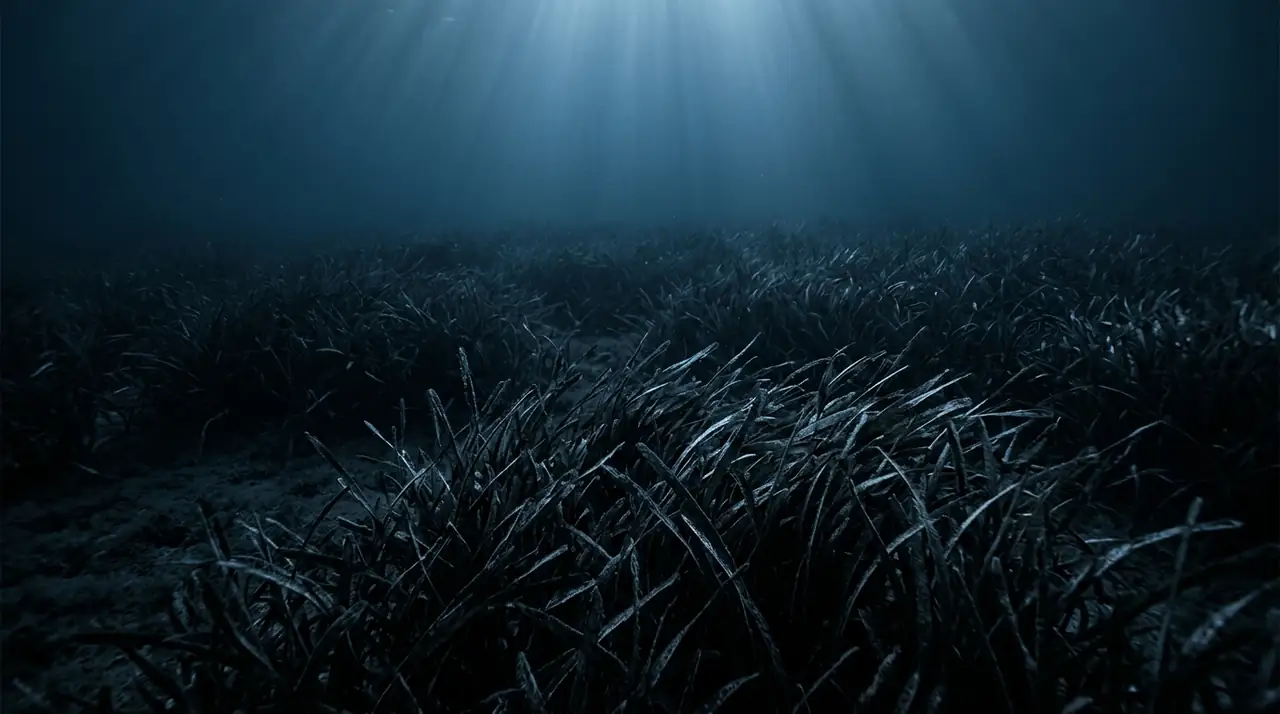
Tofo Beach Whale Sharks
Overview
Tofo Beach sits on the eastern edge of Inhambane Province in southern Mozambique, where the warm Agulhas Current sweeps nutrient-laden water along a coastline of white sand and casuarina trees. This unassuming stretch of coast has earned a global reputation for one reason above all others: whale sharks. The plankton-rich upwellings that form where the continental shelf drops away create a feeding corridor that these gentle giants follow with remarkable consistency, making Tofo one of the most reliable places on Earth to swim alongside the largest fish in the ocean. I boarded a small rigid inflatable at dawn, the crew scanning the glassy surface as we motored south from the beach. Within twenty minutes someone spotted the telltale shadow beneath the surface, a dark shape the size of a bus moving with deceptive slowness. We slipped into the water ahead of its path, and suddenly there it was: a whale shark at least nine metres long, its wide mouth slightly agape, filtering the greenish water through its massive gill rakers. The checkerboard pattern of white spots on its grey-blue skin seemed to glow in the early morning light. It passed within two metres of me, utterly indifferent to my presence, and I kicked hard to keep pace before it faded into the blue. We encountered three whale sharks that morning, each one a different size and pattern. Between sightings, the crew spotted a pair of oceanic manta rays feeding at the surface, their cephalic fins unfurled like scrolls as they somersaulted through the plankton soup. A loggerhead turtle drifted past, barnacle-encrusted and ancient-looking. The sheer density of megafauna here is staggering for such a small area. The reef dives closer to shore offer a different experience altogether. The rocky outcrops at depths of fifteen to thirty metres host enormous potato bass that approach divers with a confidence bordering on arrogance, their heavy-lidded eyes tracking you like bouncers at a nightclub. Honeycomb morays drape themselves over the coral, and schools of fusiliers swirl above the reef crest. The visibility can be variable, ranging from a murky ten metres during plankton blooms to a crystalline twenty-five metres when the current shifts, but the trade-off is that murky water means more food, and more food means more whale sharks. Tofo retains a laid-back, slightly rough-around-the-edges charm that sets it apart from polished dive resorts elsewhere. The dive operators are passionate and conservation-minded, many involved in long-term whale shark photo-identification research. There is a palpable sense of being on a wild frontier of diving here, where the ocean delivers spectacle on its own terms and the only guarantee is that something extraordinary will happen if you put in the time.
Early access
Plan a dive here
Open the DiveOne planner to sketch a recreational plan before you go. It is a planning assistant, not a dive computer.
Marine life
Dive profile
DEPTH PROFILE
DEPTH PROGRESSION & WAYPOINTS: Tofo Beach Whale Sharks
Location
Near Inhambane, in the Inhambane Province region of Mozambique.
Frequently asked questions
When is the best time to see whale sharks at Tofo Beach?
Whale sharks can be spotted year-round at Tofo Beach, but the highest concentrations occur between October and March when plankton blooms peak in the warm Mozambican current. During these months, ocean scan boats regularly spot multiple individuals in a single outing. The shoulder months of September and April still offer good chances, while winter months from June to August see fewer sightings but calmer seas and better underwater visibility.
How are whale shark encounters conducted at Tofo?
Most operators run ocean safari boats that scan the surface for whale sharks, then drop snorkellers or freedivers into the water ahead of the animal's path. Scuba encounters are less common since whale sharks tend to cruise near the surface, but they do sometimes descend to cleaning stations on nearby reefs. Strict codes of conduct limit group sizes and prohibit touching the animals. Encounters are drift-based, and a reasonable level of swimming fitness is recommended.
Is Tofo Beach difficult to reach?
Tofo is located about 22 kilometres from the city of Inhambane in southern Mozambique. Most visitors fly into Vilankulo or Maputo and take a connecting flight or drive. From Inhambane, the road to Tofo is paved and takes about 30 minutes. The village itself is small and rustic with a growing range of backpacker lodges, guesthouses, and a handful of dive operators. Infrastructure is basic compared to mainstream tourist destinations but steadily improving.
Reviews
Reviews
No reviews yet
Data Provenance
This profile is compiled from 3 operator submissions and 142 community logs. Key facts (depth, entry) are verified against official hydrographic charts.