Tenggol Marine Park
Overview
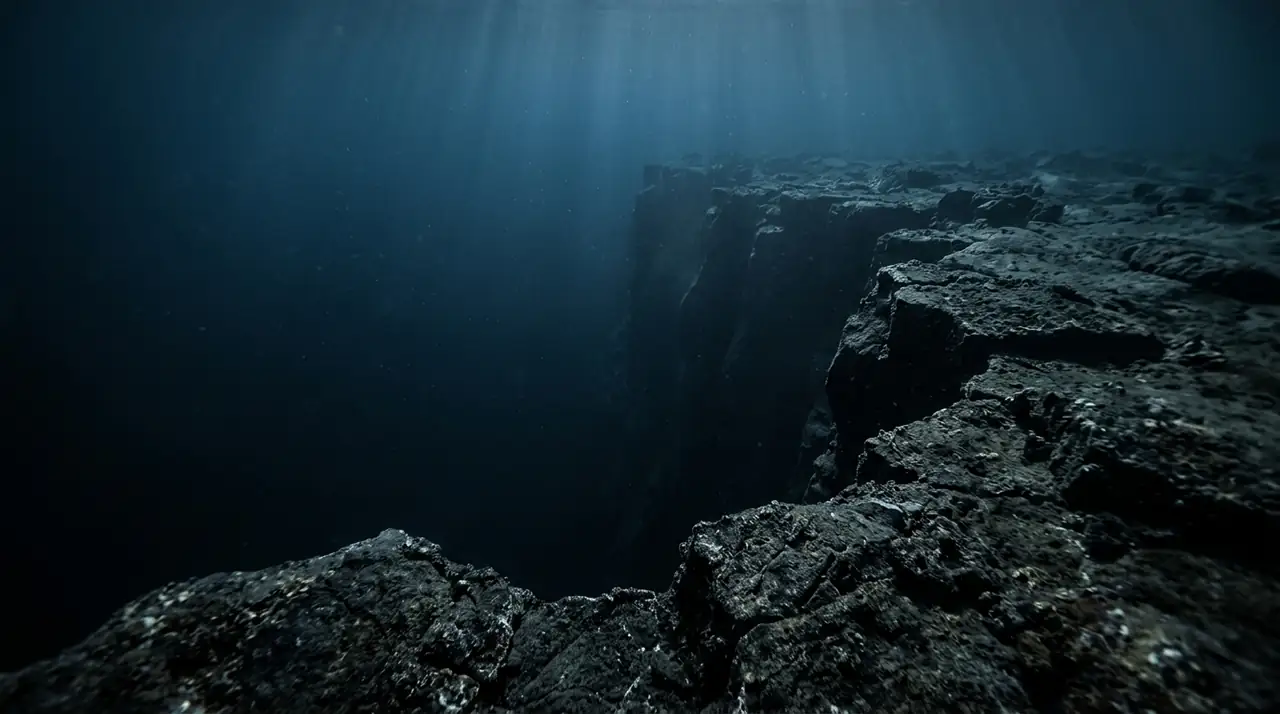
Tenggol Island rises from the South China Sea like a granite sentinel, its jungle-covered peaks standing guard over some of Peninsular Malaysia's healthiest reefs. Lying roughly twenty-five kilometres off the Terengganu coast, it is far enough from the mainland to escape the sediment plumes that affect inshore islands, yet close enough for practical day access. Where its neighbours Redang and Perhentian have become household names in Southeast Asian diving, Tenggol remains largely unknown, its single resort and limited boat access preserving a quality of diving that the busier islands have struggled to maintain. I arrived at Tenggol on a calm April morning, the island appearing through the sea haze as a dark green dome surrounded by water that shifted from coastal grey to oceanic blue. The resort's dive centre operated with a small team who knew every boulder and crevice of the surrounding reef with intimate familiarity. They were excited about recent whale shark sightings and promised that the transition season was bringing good things. The first dive was on a site dominated by enormous granite boulders, some the size of houses, that had tumbled from the island's cliffs in geological antiquity and now lay scattered across the seabed at depths between eight and twenty-five metres. The spaces between the boulders created a labyrinth of swim-throughs, overhangs, and narrow canyons that would keep an explorer busy for dozens of dives. Light filtered through gaps in the boulder stacks, creating atmospheric shafts that illuminated patches of reef in dramatic spotlights while leaving adjacent areas in deep shadow. The hard coral growth on the boulder surfaces was impressive. Brain corals the size of armchairs occupied the exposed tops, while branching corals filled the sheltered gaps between boulders. The diversity was notable: I counted at least twelve genera of hard coral on a single boulder face, a richness that reflected the clean water and moderate current flow. Soft corals draped the overhangs in curtains of orange and red, their polyps extended and feeding in the gentle current.
Early access
Plan a dive here
Open the DiveOne planner to sketch a recreational plan before you go. It is a planning assistant, not a dive computer.
Marine life
Dive profile
DEPTH PROFILE
DEPTH PROGRESSION & WAYPOINTS: Tenggol Marine Park
Location
Frequently asked questions
How do I get to Tenggol Island for diving?
Tenggol Island is reached by boat from Dungun on the Terengganu coast of Peninsular Malaysia. The boat journey takes approximately forty-five minutes to an hour depending on sea conditions. Dungun is accessible by road from Kuala Lumpur in approximately four and a half hours, or by flying to Kuala Terengganu airport and taking a ninety-minute drive south. Only one resort operates on the island, so advance booking is essential. Day trips from the mainland are possible but limit the number of dives and are weather-dependent. The island is closed to visitors from November to February during the northeast monsoon season.
What are the chances of seeing whale sharks at Tenggol?
Whale shark encounters at Tenggol are unpredictable but occur regularly enough during the transition months to make dedicated trips worthwhile. March to May and September to October are the peak months, when the mixing of seasonal currents brings plankton concentrations that attract these giant filter feeders. Sightings occur both at the surface around the island and during dives, typically in the blue water off the reef edge. The dive operators estimate whale sharks are seen on perhaps one in five dive days during peak months. These are chance encounters with wild animals in open water, not the managed feeding aggregations found at some other Southeast Asian sites.
How does Tenggol compare to Redang and Perhentian islands?
Tenggol offers a distinctly different experience from its more famous neighbours. The coral coverage is generally healthier and more diverse because visitor numbers are a fraction of what Redang and Perhentian receive. The underwater topography is more dramatic, with massive granite boulders creating complex three-dimensional dive sites rather than the gently sloping reefs typical of Redang. Marine life is more abundant and less habituated to divers, resulting in more natural behaviour. The trade-off is accessibility: Tenggol has only one resort, limited boat schedules, and no walk-in dive centres. The island suits experienced divers seeking quality over convenience, while Redang and Perhentian cater better to beginners and casual snorkellers.
Reviews
Reviews
No reviews yet
Data Provenance
This profile is compiled from 3 operator submissions and 142 community logs. Key facts (depth, entry) are verified against official hydrographic charts.