Tayrona National Park
Overview
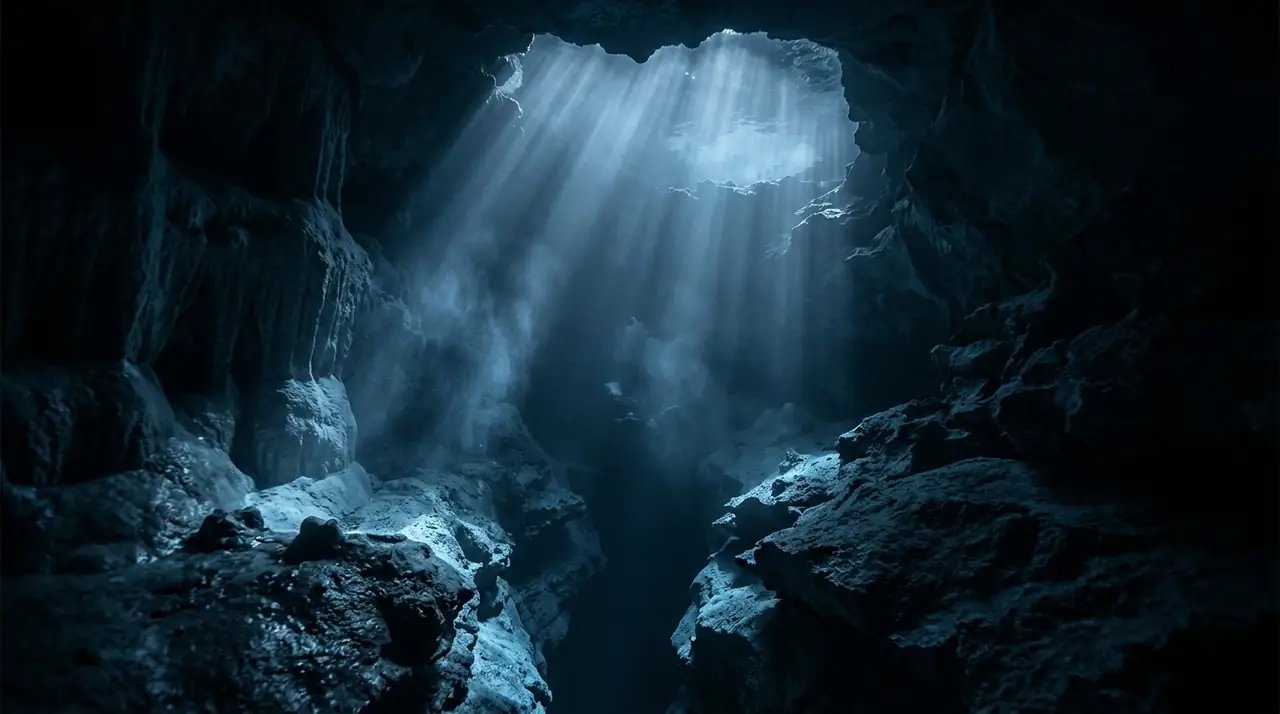
Tayrona National Park occupies one of the most dramatic stretches of Caribbean coastline anywhere on Earth. The Sierra Nevada de Santa Marta, the world's highest coastal mountain range, rises directly from the shore to nearly 5,800 metres, and this geological collision of mountain and sea creates an underwater environment unlike typical Caribbean reef. Massive granite boulders tumble from the jungle-covered slopes into turquoise water, forming complex reef structures festooned with gorgonian fans, brain corals, and dense sponge growth. The dive sites are scattered along the park's western coast between Granate and Neguanje bays, accessible by boat from Taganga or Santa Marta in 20 to 40 minutes. I dived the Granate sector during the dry season, and the combination of clear water and dramatic topography was immediately compelling. Enormous rounded boulders, some the size of small houses, create a maze of swim-throughs, overhangs, and narrow canyons that feel more like Mediterranean diving than Caribbean. Hawksbill turtles are common here, and Tayrona's protected status as a national park since 1964 has preserved important nesting habitat. I encountered four during a single dive at Playa del Muerto, each one calmly feeding on sponges growing on the boulder surfaces. Green turtles frequent the seagrass beds in the shallower bays. Caribbean reef sharks patrol the deeper areas around the outer boulders, typically at 20 to 25 metres, while nurse sharks rest in the caves and crevices formed where massive rocks lean against each other. The nutrient input from Sierra Nevada rivers gives Tayrona an ecological richness that the clearer, more oligotrophic Caribbean waters farther from land cannot match. Schools of blue tang and creole wrasse fill the water column, barracuda hover above the reef crest, and French angelfish work the sponge-covered rock faces in pairs. The coral diversity includes species from both Caribbean and Colombian Pacific influence zones, creating an overlap that marine biologists find exceptionally interesting.
Early access
Plan a dive here
Open the DiveOne planner to sketch a recreational plan before you go. It is a planning assistant, not a dive computer.
Marine life
Dive profile
DEPTH PROFILE
DEPTH PROGRESSION & WAYPOINTS: Tayrona National Park
Location
Frequently asked questions
Is diving allowed inside Tayrona National Park?
Yes, diving is permitted within designated zones of Tayrona National Park under strict regulation by Colombia's national parks authority. All dives must be conducted through licensed operators based in Taganga or Santa Marta who hold valid park permits. Dive sites are located along the western sector of the park between Granate and Neguanje bays. The park charges an entrance fee that includes the dive zone access. Some areas are seasonally closed for ecological recovery, and the entire park typically closes for several weeks in February for environmental management.
How does the Sierra Nevada de Santa Marta influence the diving?
The Sierra Nevada de Santa Marta is the world's highest coastal mountain range, rising from sea level to 5,775 metres in just 42 kilometres. Its rivers carry nutrient-rich sediment into Tayrona's waters, supporting plankton blooms that feed the marine food chain. The mountain's granite foundations extend underwater, creating the massive boulder formations that define Tayrona's dive sites. These boulders form complex reef structures with caves, overhangs, and channels not found on typical Caribbean flat reef. The mountain also creates weather patterns that affect visibility and current seasonally.
What is the best time of year for diving Tayrona National Park?
The dry season from December through April offers the best diving conditions, with reduced river runoff improving visibility to 15 to 25 metres and calmer seas allowing access to more exposed dive sites. The wet season from May to November brings increased rainfall and river discharge that can reduce visibility to five metres on some sites. However, the nutrient-rich wet season water attracts larger pelagic visitors including occasional whale sharks and increased turtle activity during nesting season. Most dive operators run year-round with site selection adjusted to conditions.
Reviews
Reviews
No reviews yet
Data Provenance
This profile is compiled from 3 operator submissions and 142 community logs. Key facts (depth, entry) are verified against official hydrographic charts.