Tabarka Needles Reef
Overview
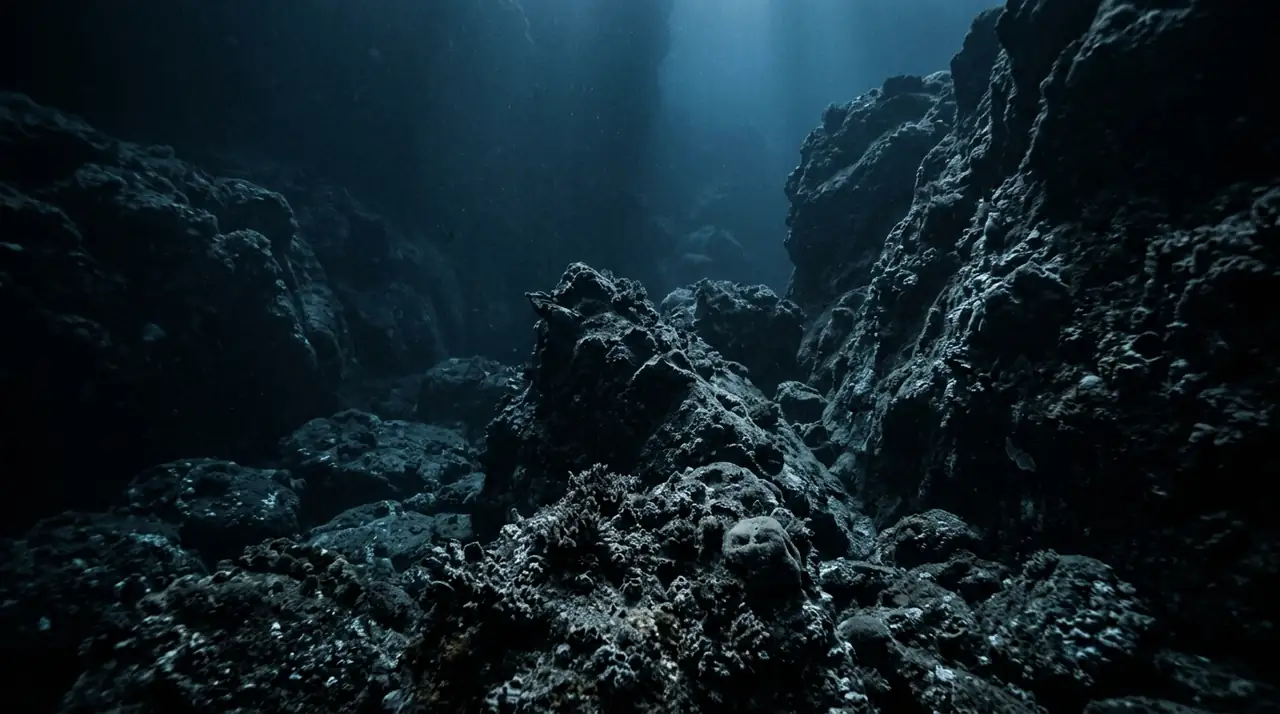
The Needles of Tabarka are a series of jagged rock pinnacles rising from the sandy seabed roughly a kilometre off the coast of northwestern Tunisia. This site has been a magnet for Mediterranean diving enthusiasts since the 1960s, when Jacques Cousteau's team filmed the red coral colonies that cling to every shaded crevice. The formations earned their name from their sharp, spire-like profiles that punch through the blue water like the turrets of a sunken cathedral. I rolled backward off the boat into warm, gin-clear water and immediately saw the first needle materialising below, its flanks draped in golden and violet gorgonian fans swaying gently in the current. Descending along the western face, I passed through a corridor between two pinnacles where the walls were studded with precious red coral, their crimson branches standing out against the grey rock. A large dusky grouper hovered motionless in the gap, its dark eyes tracking me with casual curiosity before it drifted deeper into shadow. The reef flat between the pinnacles at around 25 metres is a mosaic of coralline algae, sponges, and anemones. Moray eels poke their heads from holes, and octopuses shift colour as they move across the rubble. Schools of two-banded sea bream circle the pinnacle tops, occasionally scattering when a small pack of barracuda cuts through. Scorpionfish lie camouflaged on ledges, waiting for unwary prey to swim past. Shallower sections between 8 and 15 metres receive abundant sunlight, encouraging dense growths of Posidonia seagrass on the surrounding sandy patches. Painted combers dart among the fronds, and nudibranchs of surprising variety decorate the rocky surfaces. The visibility frequently exceeds 25 metres during summer, turning every pinnacle into a dramatic silhouette against the cobalt water above. A safety stop at five metres offers a final panoramic view of the needle field stretching into the distance, their tips catching the afternoon light like a drowned mountain range.
Early access
Plan a dive here
Open the DiveOne planner to sketch a recreational plan before you go. It is a planning assistant, not a dive computer.
Marine life
Dive profile
DEPTH PROFILE
DEPTH PROGRESSION & WAYPOINTS: Tabarka Needles Reef
Location
Frequently asked questions
How do I reach Tabarka Needles Reef?
Tabarka is located in northwestern Tunisia near the Algerian border. The nearest airport is Tabarka-Ain Draham Airport, which receives seasonal charter flights from Europe. Alternatively, fly into Tunis-Carthage International Airport and drive approximately 170 kilometres west along the coastal highway. Several local dive centres in Tabarka harbour offer daily boat trips to the Needles, which lie roughly 15 minutes offshore.
What certification level is needed for the Needles?
An Open Water certification with some experience is sufficient for the shallower sections of the pinnacles between 8 and 18 metres. The deeper portions reaching 35 metres require Advanced Open Water certification. Currents are generally moderate but can pick up around the pinnacle tops, so comfort with mild drift diving is recommended. Visibility is typically excellent from June through September.
Is red coral collection allowed at this site?
Harvesting red coral is strictly regulated in Tunisia and requires a government-issued licence available only to professional coral fishermen operating under quota. Recreational divers are not permitted to collect any coral. The Tunisian authorities have increased enforcement in recent years to protect the remaining colonies, so please observe a strict look-but-do-not-touch policy.
Reviews
Reviews
No reviews yet
Data Provenance
This profile is compiled from 3 operator submissions and 142 community logs. Key facts (depth, entry) are verified against official hydrographic charts.