Tabarka Coral Reef
Overview
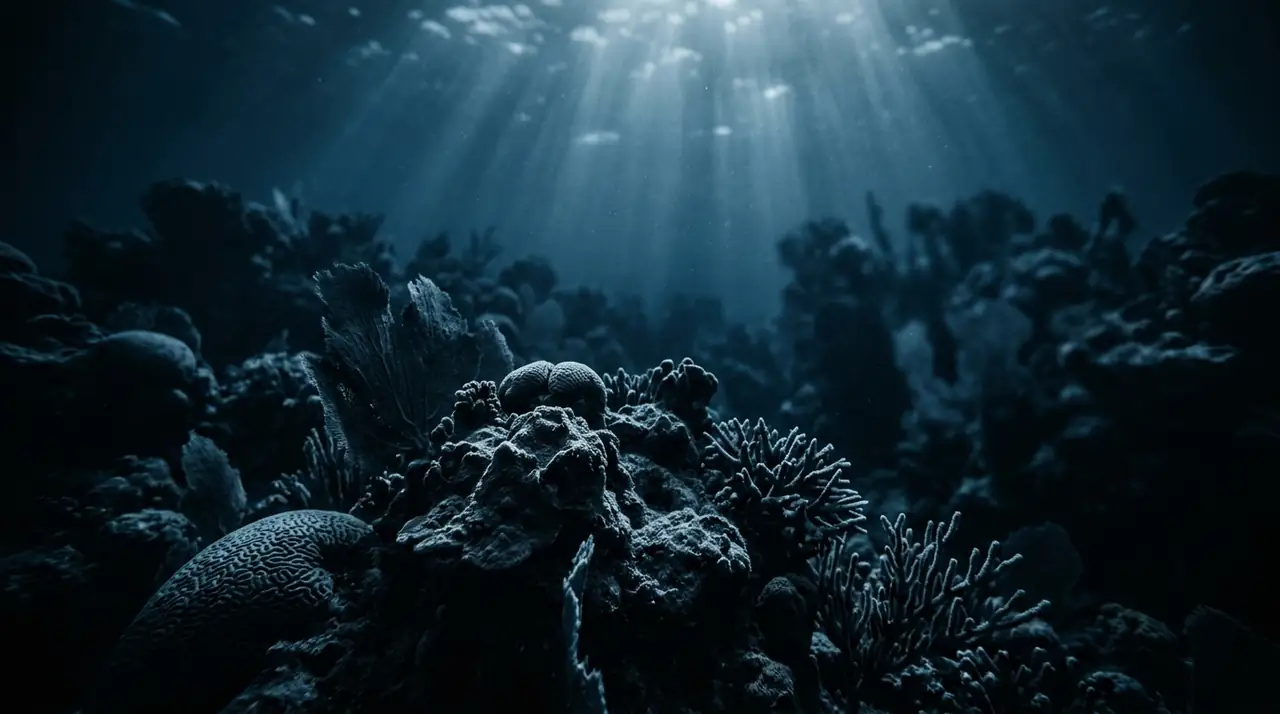
Tabarka sits on Tunisia's northwestern coast as North Africa's unlikely coral diving capital -- a small port town where the Kroumirie Mountains meet the Mediterranean, and where rocky reefs harbour some of the most significant remaining populations of precious red coral in the entire basin. For centuries, Tabarka was the centre of Mediterranean coral harvesting, its economy built on the blood-red branches of Corallium rubrum. Today, with commercial harvesting restricted, divers can witness colonies slowly recovering their former glory. I motored out past the iconic Genoese fort perched on its island rock, reaching the first dive site in less than ten minutes. Descending along a rocky wall, the substrate revealed itself in layers: shallow rocks covered in Posidonia seagrass giving way to deeper formations draped in yellow and orange sponges, gorgonian fans, and false coral. At around 25 meters, I found what I had come for -- clusters of red coral branches growing on the ceiling of a rocky overhang, their deep crimson startlingly vivid against the dark rock. The reef ecology is rich temperate Mediterranean at its best. Dusky groupers hold territory around large rock formations, nearly motionless as they eye passing divers. Schools of sea bream and dentex circle in mid-water, amberjack cruise in small packs, and octopuses sprawl across rocky surfaces, changing colour with each movement. Moray eels are abundant, their heads protruding from every available crevice. The underwater topography adds drama. Volcanic and sedimentary rock formations create natural arches, swim-throughs, and small caverns. Walls drop in stepped formations, with platforms at various depths providing rest points to observe resident scorpionfish and seahorses haunting the Posidonia meadows. Tabarka's diving scene remains refreshingly uncommercialized compared to southern European destinations. A handful of dive centres offer personal, small-group experiences. This is diving for those who appreciate temperate marine ecosystems and the quiet satisfaction of exploring a destination most divers have never heard of.
Early access
Plan a dive here
Open the DiveOne planner to sketch a recreational plan before you go. It is a planning assistant, not a dive computer.
Marine life
Dive profile
DEPTH PROFILE
DEPTH PROGRESSION & WAYPOINTS: Tabarka Coral Reef
Location
Frequently asked questions
Why is Tabarka famous for coral?
Tabarka has been the centre of Mediterranean red coral harvesting for centuries, dating back to Italian and French colonial coral fishing operations. The precious red coral (Corallium rubrum) grows on rocky walls and cave ceilings in deeper waters, typically between 20 and 80 meters. While commercial harvesting has been heavily restricted to protect remaining populations, divers can still observe these beautiful colonies on deeper dives. The town's annual Coral Festival celebrates this heritage, and Tabarka markets itself as Tunisia's 'Coral Coast.'
What is the best time of year to dive in Tabarka?
The diving season in Tabarka runs from May through October, with the warmest water temperatures and best visibility from June to September. July and August bring water temperatures of 23 to 25 degrees Celsius and visibility often exceeding 25 meters. Winter months see rougher seas, colder water, and limited dive operator schedules. Early June and late September offer a good compromise of pleasant conditions with fewer visitors.
Is Tabarka suitable for beginner divers?
Several of Tabarka's shallow reef sites are suitable for beginners, particularly the protected areas closer to shore where depths stay within 12 meters and currents are minimal. However, the most impressive red coral formations are found at depths of 25 meters and beyond, making them best suited to intermediate and advanced divers. Dive centres in Tabarka offer discover scuba and certification courses alongside guided reef dives.
Reviews
Reviews
No reviews yet
Data Provenance
This profile is compiled from 3 operator submissions and 142 community logs. Key facts (depth, entry) are verified against official hydrographic charts.