Svetac Island
Overview
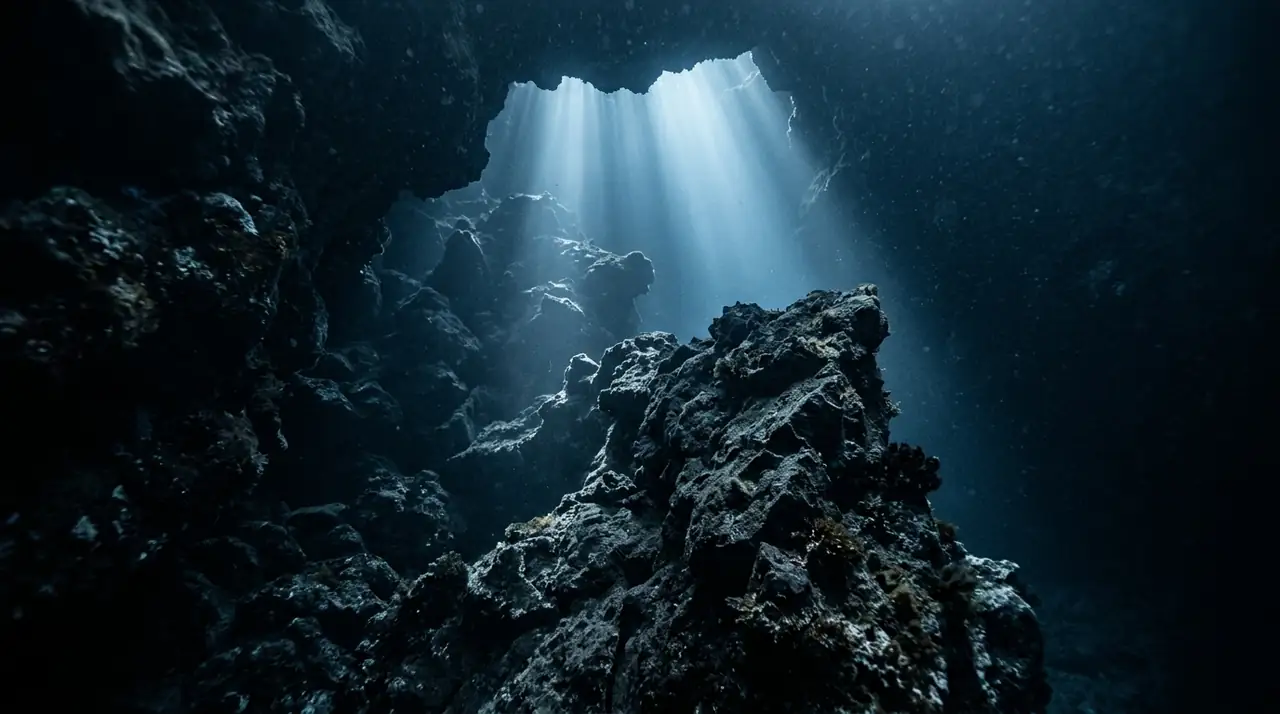
Svetac Island is one of the most remote and least-dived sites in the Adriatic Sea, and that inaccessibility is precisely what makes it extraordinary. This uninhabited volcanic island rises dramatically from the open sea between the islands of Vis and Lastovo, its sheer cliffs visible from kilometres away like a fortress guarding the deep Adriatic. Beneath the waterline, those cliffs continue their vertical descent into some of the most pristine marine habitat remaining in European waters. What draws the most dedicated divers to Svetac is the black coral. This incredibly rare organism, more commonly associated with deep tropical waters, clings to the island's deepest walls in colonies that have been growing undisturbed for centuries. Black coral at recreational diving depths is virtually unknown in the Mediterranean, making Svetac one of the most scientifically significant dive sites in the region. The deep walls, dropping beyond 50 metres, are draped in a variety of organisms that thrive in the cold, nutrient-rich currents sweeping past the island. Above the black coral zone, the sheer volcanic walls are covered in colourful sponges, hydroids, and encrusting bryozoans. Conger eels and large lobsters occupy the crevices, while scorpionfish blend into the rocky substrate with uncanny precision. In the blue water off the wall, schools of tuna occasionally pass through, and John Dory can be spotted hunting small fish with their distinctive telescoping jaws. The diversity of nudibranchs on the walls is remarkable, with species rarely seen on more accessible Croatian sites. Diving Svetac is not for the faint-hearted or the unprepared. The island is fully exposed to open sea conditions, and currents can be significant. The boat journey from Komiza on Vis takes one to two hours, and trips only run in calm summer weather. Prior permission from the Croatian Ministry of Culture is required, as the island and its surrounding waters hold protected status. These restrictions ensure that very few divers visit each year, preserving the pristine condition that makes Svetac so special. For advanced divers seeking a genuine frontier experience in the Mediterranean, Svetac delivers something that few European dive sites can: the feeling of exploring somewhere that almost nobody has been before. The combination of rare black coral, dramatic volcanic geology, and crystal-clear offshore water makes this a bucket-list dive for anyone who has explored the more accessible sites of the Adriatic and hungers for something wilder.
Early access
Plan a dive here
Open the DiveOne planner to sketch a recreational plan before you go. It is a planning assistant, not a dive computer.
Marine life
Dive profile
DEPTH PROFILE
DEPTH PROGRESSION & WAYPOINTS: Svetac Island
Location
Frequently asked questions
What certification do I need to dive Svetac Island?
Advanced Open Water certification is the minimum requirement, with Deep Diver specialty strongly recommended. The remote location, exposed conditions, and depths exceeding 40 metres demand experienced divers with good open-water skills. Prior consent from the Croatian Ministry of Culture is required as the island is a protected site.
How do I arrange a dive at Svetac Island?
Diving at Svetac requires prior consent from the Croatian Ministry of Culture and must be arranged through authorized dive operators based in Komiza on Vis island. The boat journey from Komiza takes approximately one to two hours depending on sea conditions. Trips are weather-dependent and typically limited to the calmest summer months.
What makes Svetac Island unique for diving?
Svetac is one of the very few places in the Adriatic where black coral can be found, making it extraordinarily significant for marine biology. The island's extreme remoteness and protected status mean the underwater environment is virtually pristine. The volcanic walls drop dramatically from the surface, offering deep wall dives of exceptional quality in crystal-clear open ocean water.
Reviews
Reviews
No reviews yet
Data Provenance
This profile is compiled from 3 operator submissions and 142 community logs. Key facts (depth, entry) are verified against official hydrographic charts.