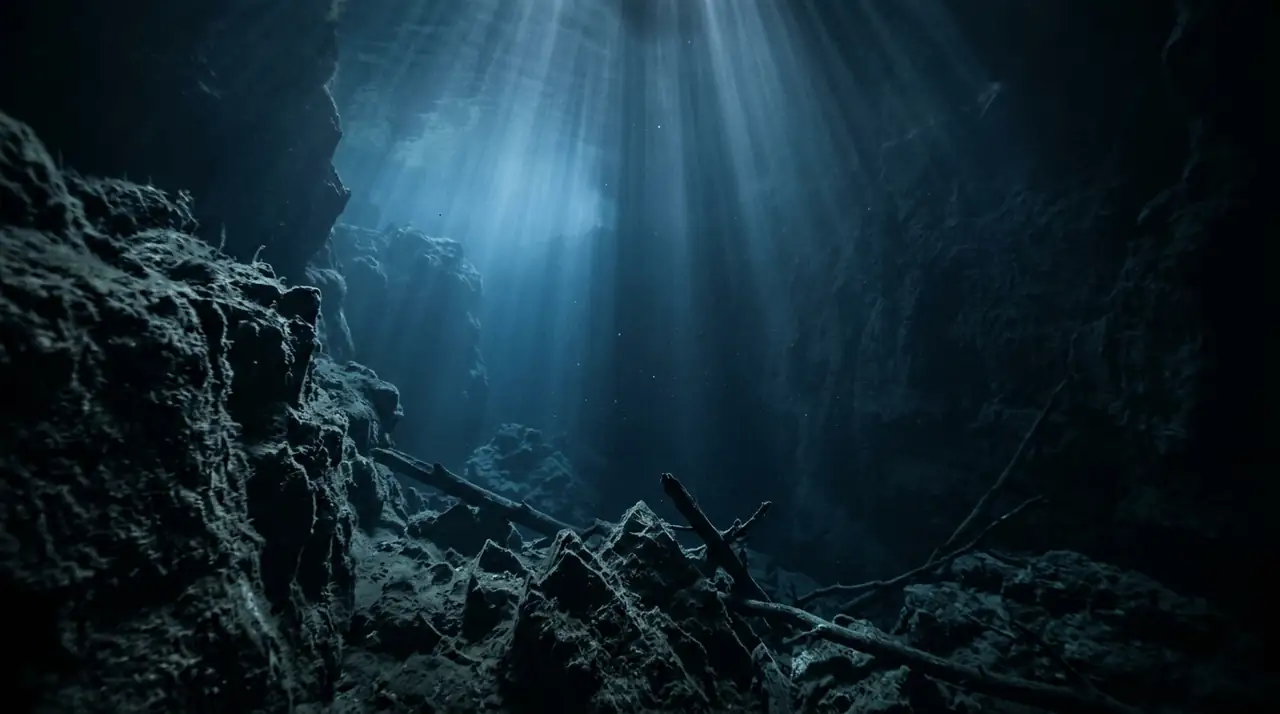
Sumilon Island
Overview
Sumilon Island holds a unique place in Philippine marine conservation as the nation's first designated marine sanctuary, established in 1974 when marine protection was virtually unknown in Southeast Asia. This tiny coral island, barely one kilometre long, sits off Cebu's southern tip in the strait between Cebu and Negros, and its story of protection, degradation, and recovery has been studied by marine scientists worldwide as a case study in tropical reef management. Today, the sanctuary is in one of its strongest phases. Descending onto the western reef slope, the coral coverage is immediately impressive. Hard corals dominate the upper sections from 3 to 12 metres, with massive Porites colonies providing structure and branching Acropora filling the gaps between them. The percentage of live coral coverage on the protected slopes consistently measures above 70 percent in survey transects, a figure that would be exceptional anywhere in the Coral Triangle. The fish life responds accordingly. Dense schools of surgeonfish move across the reef flat in clouds of blue and yellow, their grazing maintaining the balance between coral and algae that keeps the reef healthy. Fusiliers stream along the reef edge in silver ribbons, and below them, schools of jacks circle in lazy formations. The biomass here is visibly higher than on unprotected reefs nearby, a living demonstration of what marine protection achieves when maintained. The reef slope deepens gradually on the western side before meeting a more vertical drop on the north and east, where the island's flanks descend into the deeper strait. Here, the character changes. Sea fans and soft corals replace the hard coral dominance, and pelagic species occasionally sweep through the area. Sea snakes are commonly encountered, gliding with unsettling elegance through the water column. Above water, Sumilon's famous sandbar adds another dimension. This tongue of white sand shifts position with the monsoon seasons, and the contrast between turquoise shallows and deep blue strait beyond has made Sumilon one of the Visayas' most photographed islands. For divers, the combination of conservation history, genuine reef health, and accessible conditions makes Sumilon a site of substance beneath its postcard beauty.
Early access
Plan a dive here
Open the DiveOne planner to sketch a recreational plan before you go. It is a planning assistant, not a dive computer.
Marine life
Dive profile
DEPTH PROFILE
DEPTH PROGRESSION & WAYPOINTS: Sumilon Island
Location
Frequently asked questions
What is the history of Sumilon Island's marine sanctuary?
Sumilon Island became the Philippines' first marine sanctuary in 1974, established through a partnership between Silliman University and the local government. The sanctuary covers approximately 50 hectares on the island's western side. Its history has been turbulent, with periods of effective enforcement alternating with phases of poaching when political support waned. Since the early 2000s, management has stabilised under a resort operator that funds enforcement, and reef recovery has been dramatic. Marine scientists have studied Sumilon's cycles of protection and degradation extensively, making it one of the most documented reef systems in Southeast Asia.
How do I visit Sumilon Island for diving?
Sumilon Island is a 15-minute boat ride from Oslob on Cebu's southern coast. Most visitors come from Cebu City, a 3 to 4 hour drive south, or from Dumaguete across the Tanon Strait, a 30-minute ferry ride to Cebu's coast followed by a short drive. The island has a single resort that operates the dive centre and controls access to the sanctuary. Day trippers can arrange boat transfers from the Oslob mainland pier. Entry fees to the marine sanctuary fund ongoing protection and reef monitoring.
Can beginners dive at Sumilon Island?
Yes, Sumilon is well suited for beginners and newly certified divers. The sanctuary reef slopes gently from 3 to 15 metres before dropping to deeper sections, and currents inside the protected area are typically mild. The shallow reef flat offers outstanding snorkelling with excellent coral coverage visible from the surface. Deeper wall sections on the island's eastern and northern sides offer more challenge for experienced divers, with depths reaching 30 metres and occasional moderate currents. The resort dive centre offers courses from introductory to advanced levels.
Reviews
Reviews
No reviews yet
Data Provenance
This profile is compiled from 3 operator submissions and 142 community logs. Key facts (depth, entry) are verified against official hydrographic charts.