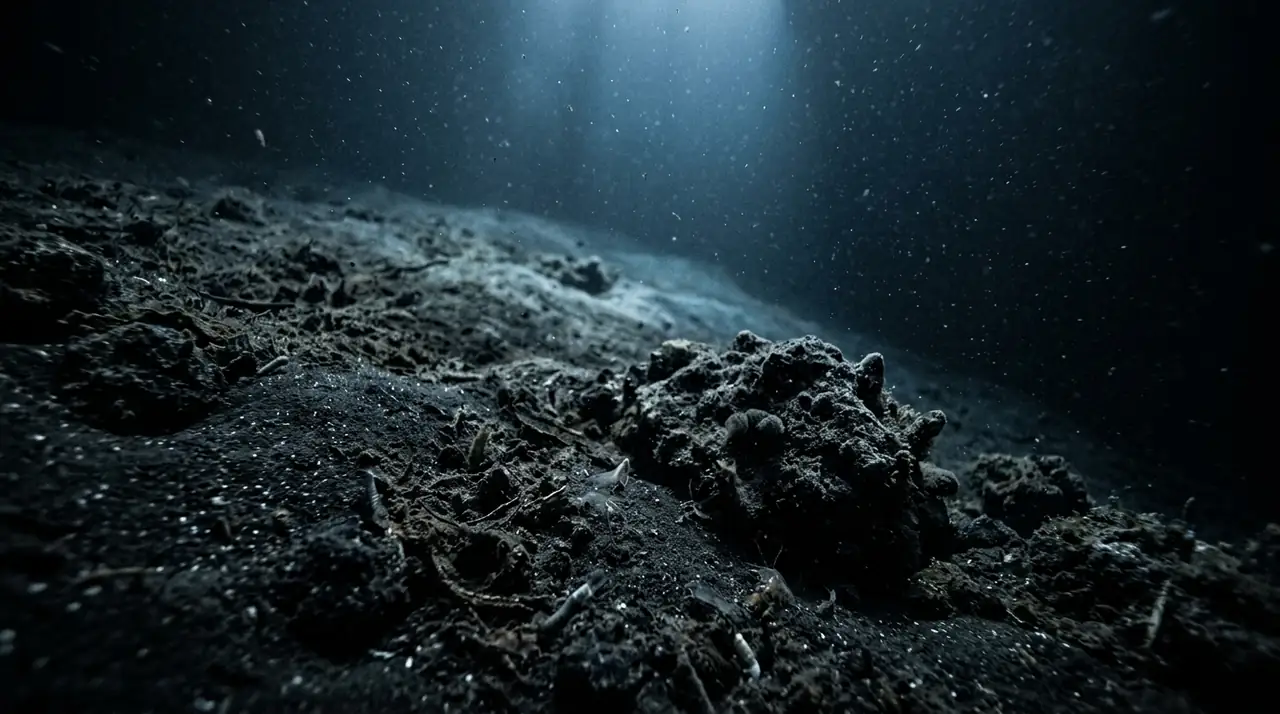
Strait of Messina - The Mountain of Scilla
Overview
The Strait of Messina is where Greek mythology meets marine biology in one of the Mediterranean's most extraordinary diving environments. This narrow channel between Sicily and Calabria, just 3.1 kilometres wide at its narrowest point, has been feared and revered since the time of Homer, who placed the monsters Scylla and Charybdis here. Today, the strait's fierce tidal currents create an underwater ecosystem unlike anything else in the Mediterranean, and the Mountain of Scilla has earned its reputation as one of the most spectacular dives in European waters. The Mountain is a colossal rock monolith that rises 20 metres from the sandy seabed below the castle of Scilla on the Calabrian coast. The dive begins with a descent into the blue, and at around 15 metres the peak of the mountain emerges from the gloom, a jaw-dropping sight that instantly justifies the journey. Every square centimetre of the monolith is carpeted in red and yellow gorgonian sea fans, creating a living wall of colour that sways with the current. Enormous Cerianthus anemones, anthias clouds, and triton shells add layers of life to an already overwhelming scene. What makes the Strait of Messina truly unique is its hydrology. Tidal currents often exceeding 3 metres per second create powerful upwellings that drag deep-water nutrients into the shallows, supporting a food chain of remarkable richness. This nutrient conveyor sustains organisms normally found at far greater depths. Below the recreational limits, technical divers can access what is believed to be the world's largest black coral forest, along with colonies of gold coral found nowhere else at comparable depths. The strait is also home to the only known Mediterranean population of Errina aspera, a delicate hydrocoral. Diving here is not for the inexperienced. The currents are genuinely powerful and demand respect, expert timing, and intimate local knowledge. Every dive must be planned around narrow slack-water windows that shift with the tidal cycle. The dive operators in Scilla have decades of experience reading the strait's moods and will only take divers out when conditions align. When they do, the experience is unforgettable. For advanced divers seeking a Mediterranean dive that genuinely challenges and astonishes in equal measure, the Strait of Messina delivers. It is a place where deep-sea creatures appear at recreational depths, where ancient mythology feels tangible, and where the raw power of the sea creates beauty of staggering intensity.
Early access
Plan a dive here
Open the DiveOne planner to sketch a recreational plan before you go. It is a planning assistant, not a dive computer.
Marine life
Dive profile
DEPTH PROFILE
DEPTH PROGRESSION & WAYPOINTS: Strait of Messina - The Mountain of Scilla
Location
Frequently asked questions
What certification do I need to dive the Strait of Messina?
Advanced Open Water is the minimum requirement, with Deep Diver specialty and strong current diving experience essential. The strait's powerful currents, which can exceed 3 metres per second, demand expert timing and thorough local knowledge. Only dive with experienced local guides who understand the complex tidal patterns.
When is the best time to dive the Mountain of Scilla?
June through September provides the warmest water at 22 to 26 degrees and the most predictable conditions. However, diving here is entirely dictated by tidal cycles rather than seasons. Your dive operator will plan every dive around slack water windows, which shift daily. Flexibility is essential.
Why is the Strait of Messina significant for marine biology?
The strait's intense currents create upwellings that bring deep-water nutrients to shallow depths, supporting an extraordinary ecosystem. It hosts the world's largest known black coral forest, rare gold coral colonies, and the only Mediterranean population of Errina aspera. Deep-sea species like Sloane's viperfish are occasionally found in shallow water, and bluntnose sixgill sharks periodically rise to diving depths.
Reviews
Reviews
No reviews yet
Data Provenance
This profile is compiled from 3 operator submissions and 142 community logs. Key facts (depth, entry) are verified against official hydrographic charts.