St Abbs Head Marine Reserve
Overview
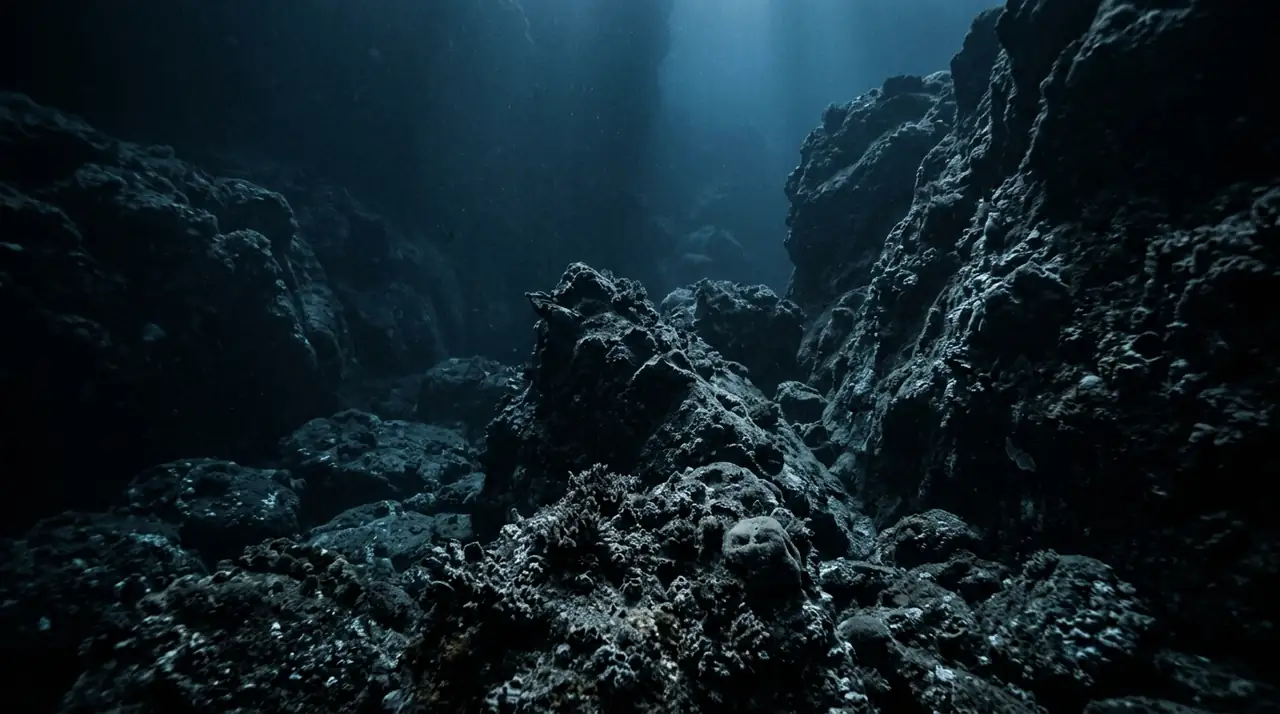
St Abbs Head is a rugged volcanic headland on the Scottish Borders coast, where ancient ignimbrite cliffs plunge into the North Sea above a seabed of gullies, boulder fields, and kelp forests. Since 1984 the waters around the headland have been protected as one of the UK's first voluntary marine reserves, and four decades of reduced fishing pressure have produced a marine ecosystem of remarkable abundance. Wolf fish peer from their dens, lobsters the size of small dogs lurk beneath every overhang, and the rock surfaces are so densely colonised by anemones, sponges, and soft corals that bare stone is almost impossible to find. I walked into the water from St Abbs harbour on a September morning, the fishing boats rocking gently at their moorings behind me. The entry is straightforward: a slipway into sheltered water, then a short surface swim to the rocky reef. I descended alongside a kelp-covered boulder the size of a car, and the underwater landscape opened up around me. Gullies ran perpendicular to the shore, their walls carpeted in dahlia anemones ranging from deep crimson to pale pink and cream. Dead man's fingers coral grew in dense clusters on the overhanging rock, their white polyps extended and feeding in the gentle current. I followed the largest gully seaward, checking the known wolf fish dens. At 15 metres, in a crack beneath a large boulder, I found what I was looking for: the blunt, heavy-jawed face of a wolf fish staring back at me from the darkness. This individual has been resident in this same den for at least three years according to the local dive shop. It watched me with apparent indifference, its mottled grey-brown body wedged tightly into the crack. Wolf fish are the gargoyles of the North Sea: ugly, fascinating, and oddly charismatic.
Early access
Plan a dive here
Open the DiveOne planner to sketch a recreational plan before you go. It is a planning assistant, not a dive computer.
Marine life
Dive profile
DEPTH PROFILE
DEPTH PROGRESSION & WAYPOINTS: St Abbs Head Marine Reserve
Location
Near Eyemouth, in the Scottish Borders region of United Kingdom.
Frequently asked questions
Can I dive St Abbs Head from the shore?
Yes, St Abbs Head is one of Scotland's best shore diving sites. The main entry point is at St Abbs harbour, where a slipway provides easy access to the water. The marine reserve begins immediately north of the harbour and encompasses the rocky coastline around the headland. From the entry point you can swim to several dive sites along the coast within a few minutes. The depth increases gradually to around 25 metres at the outer sites. Car parking is available near the harbour and there is a dive shop in the village for air fills and equipment rental.
Where can I find wolf fish at St Abbs?
Wolf fish, also known as catfish locally, are one of the signature species at St Abbs Head. They occupy permanent dens in the rocky gullies and overhangs, typically at depths between 12 and 20 metres. Several individuals have been resident in the same dens for years and are well known to local divers. The dive shop and local guides can point you to current wolf fish locations. The fish are generally docile but have powerful jaws designed for crushing shellfish, so maintaining a respectful distance is important. They are most reliably seen between May and October.
How does St Abbs compare to other UK dive sites?
St Abbs Head is consistently rated among the best shore dives in the United Kingdom. The voluntary marine reserve status since 1984 has allowed fish populations to recover beyond levels seen at unprotected sites, and the diversity of invertebrate life rivals any UK location. Visibility is unusually good for the North Sea, averaging 10 to 15 metres in summer with peaks of 20 metres or more. The ease of shore access makes it particularly attractive compared to boat-dependent sites. The main drawbacks are the cold water temperatures and occasional east coast surge during onshore winds.
Reviews
Reviews
No reviews yet
Data Provenance
This profile is compiled from 3 operator submissions and 142 community logs. Key facts (depth, entry) are verified against official hydrographic charts.