Speyside - Japanese Gardens
Overview
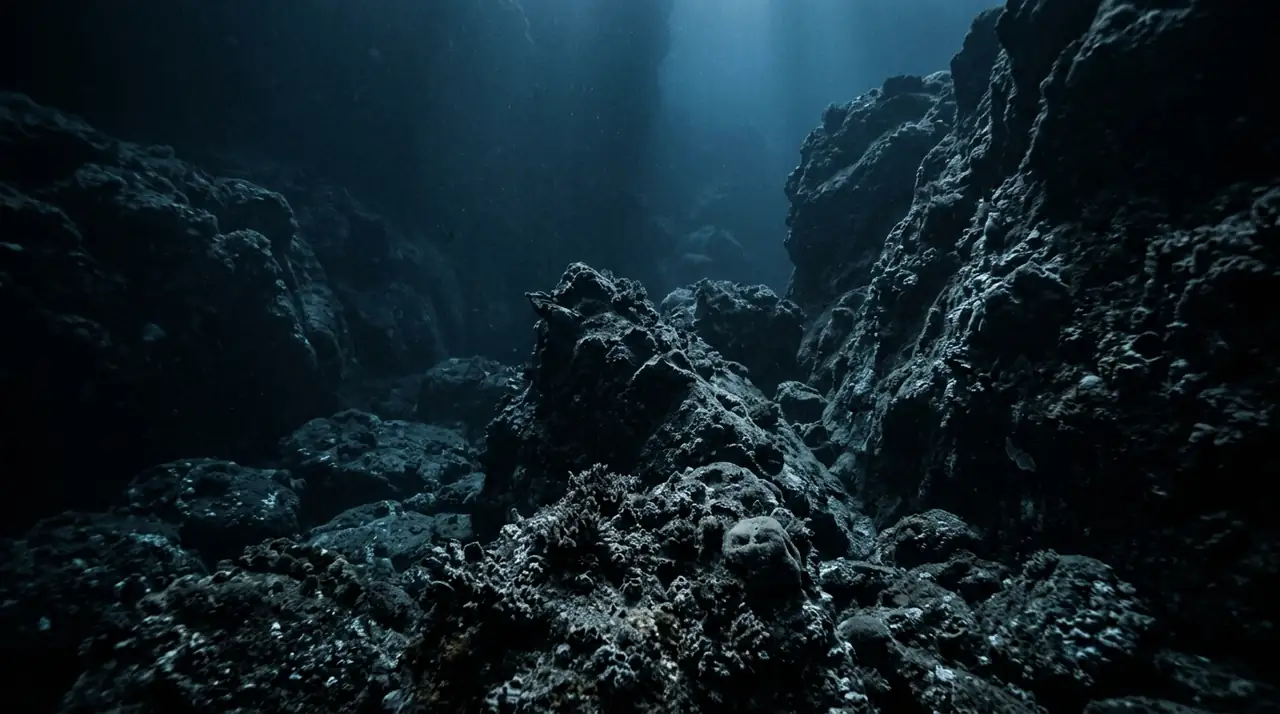
Japanese Gardens is the signature dive site of Speyside, on Tobago's northeastern coast, and one of the finest reef dives in the southern Caribbean. Located around the southern tip of Goat Island, just 10 minutes by boat from Speyside, this site offers a gentle drift dive along a sloping reef that conceals far more drama than its name suggests. The dive follows a current-swept reef that descends gradually from 6 to 33 metres. The slope is covered in hard and soft corals, including some of the largest brain corals found anywhere in the Caribbean -- Tobago is home to specimens that hold world records for their size. Sea fans and sea plumes wave in the moderate current, while the reef surface is populated by damselfish, wrasse, and a colourful cast of reef species. The star feature is Kamikaze Cut, a narrow swim-through passage carved into the steep fringing reef that delivers a brief shot of excitement as divers squeeze through the gap and emerge on the other side. Tobago's diving benefits enormously from the nutrient-rich waters that flow north from the Orinoco River delta in Venezuela. These currents support unusually lush coral growth and attract larger species that are less common elsewhere in the Caribbean. Manta rays are spotted at Speyside between January and April, and nurse sharks, tarpon, and large moray eels are regular residents. The combination of healthy reefs, big marine life, and relatively few divers makes Speyside a genuine hidden gem. Japanese Gardens is suitable for intermediate divers, with the shallower sections accessible to those with basic certification and the deeper areas rewarding for those with more experience. Dive operators in Speyside run trips to Goat Island multiple times daily, and the short boat ride means more time in the water. The drift is typically gentle enough to allow photography, and the variety of terrain -- from sloping reef to swim-through to coral garden -- keeps the dive engaging from start to finish.
Early access
Plan a dive here
Open the DiveOne planner to sketch a recreational plan before you go. It is a planning assistant, not a dive computer.
Marine life
Dive profile
DEPTH PROFILE
DEPTH PROGRESSION & WAYPOINTS: Speyside - Japanese Gardens
Location
Frequently asked questions
How deep is Japanese Gardens in Tobago?
The dive ranges from 6 to 33 metres, with an average depth around 24 metres. The sloping reef allows divers to choose their depth, making it accessible to intermediate divers on the shallower sections and rewarding for advanced divers who explore the deeper reaches.
What is the Kamikaze Cut at Japanese Gardens?
Kamikaze Cut is a narrow swim-through passage that cuts through the steep fringing reef. Divers pass through the gap in the rock, emerging on the other side to a different reef landscape. It is the signature feature of the dive and gives a brief adrenaline rush during the otherwise gentle drift.
Why is Tobago good for diving?
Tobago benefits from nutrient-rich currents flowing from the Orinoco River delta in South America, which support exceptional marine life diversity and unusually large coral formations. The island has some of the largest brain corals in the world, and manta ray sightings are possible between January and April.
Reviews
Reviews
No reviews yet
Data Provenance
This profile is compiled from 3 operator submissions and 142 community logs. Key facts (depth, entry) are verified against official hydrographic charts.