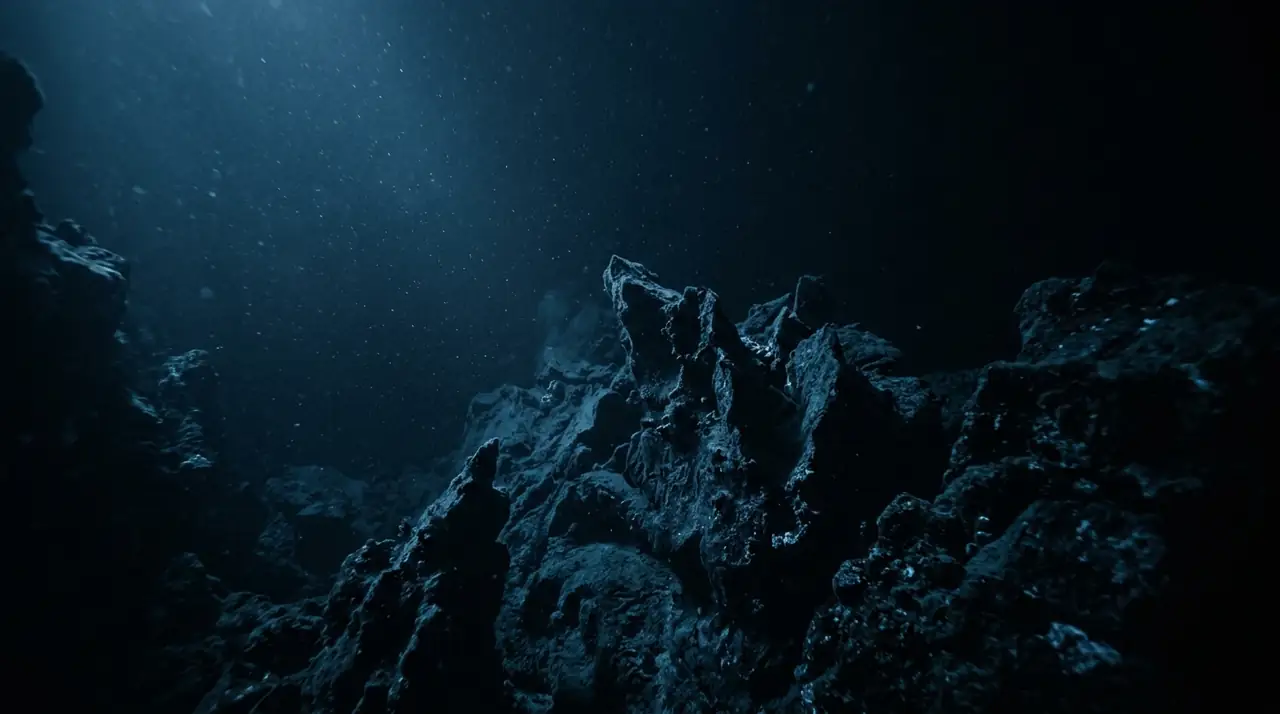
Solitary Islands Marine Park
Overview
The Solitary Islands Marine Park stretches along the coast near Coffs Harbour in northern New South Wales, a chain of five rocky islands sitting precisely where Australia's marine biogeography shifts from tropical to temperate. The warm East Australian Current carries tropical larvae south from the Coral Sea, colliding with cooler waters around these islands to create one of Australia's most biodiverse marine environments. The numbers tell the story: over 550 fish species, 90 coral species, and 600 mollusc species recorded within park boundaries, placing the Solitary Islands in the same biodiversity league as parts of the Great Barrier Reef. On a single dive at South Solitary Island, you might encounter tropical anemonefish, temperate blue groper, grey nurse sharks, and wobbegong sharks, a species assemblage that occurs nowhere else on the Australian coast. Grey nurse sharks are the headline attraction. These docile, ragged-toothed sharks aggregate in caves around South Solitary and North Solitary islands, particularly from December through June. Hovering at a cave entrance while a dozen hang motionless, mouths agape and bodies suspended in gentle current, is an experience of quiet awe. Critically endangered with fewer than 1500 individuals on the east coast, every encounter is a privilege. The reef structure is complex volcanic rock draped in tropical and temperate life. Soft corals, gorgonians, and sponges coat the walls, while hard coral coverage increases in shallower areas. Schools of old wives share the reef with tropical butterflyfish in unlikely coexistence. From May through November, seasonal megafauna arrives: manta rays in autumn, humpback whales in winter and spring, and large schools of kingfish and tuna on the outer walls. Coffs Harbour, halfway between Sydney and Brisbane, provides comfortable infrastructure with experienced operators running regular trips.
Early access
Plan a dive here
Open the DiveOne planner to sketch a recreational plan before you go. It is a planning assistant, not a dive computer.
Marine life
Dive profile
DEPTH PROFILE
DEPTH PROGRESSION & WAYPOINTS: Solitary Islands Marine Park
Location
Near Coffs Harbour, in the New South Wales region of Australia.
Frequently asked questions
Why are the Solitary Islands so biodiverse?
The Solitary Islands sit at the boundary where the warm East Australian Current, flowing south from the Coral Sea, meets cooler temperate waters from the south. This convergence creates a unique ecological zone where tropical species at the southern limit of their range overlap with temperate species at their northern limit. Over 550 fish species have been recorded in the marine park, more than any other temperate location in Australia. The islands also provide critical habitat for endangered grey nurse sharks, with aggregation sites at South Solitary and North Solitary islands.
When can grey nurse sharks be seen at the Solitary Islands?
Grey nurse sharks are present at the Solitary Islands year-round, but the largest aggregations occur from December through June when sharks gather at specific gutters and caves around South Solitary and North Solitary islands. These docile, slow-moving sharks rest in caves and overhangs during the day, often in groups of five to twenty individuals. Despite their intimidating appearance with protruding teeth, grey nurse sharks are harmless to divers and can be observed from close range without any risk. They are critically endangered in Australian waters with an estimated population of fewer than 1500 individuals.
How far offshore are the Solitary Islands?
The Solitary Islands chain extends from roughly 1 to 18 kilometres offshore from Coffs Harbour. South Solitary Island, the most commonly dived, lies approximately 18 kilometres from Coffs Harbour marina with a boat ride of 40 to 50 minutes. North Solitary Island is closer, about 15 kilometres offshore. The inshore islands of Muttonbird and South West Solitary are within 5 kilometres of the coast. Sea conditions can be rough during winter swells, and operators monitor conditions carefully, sometimes cancelling trips when seas exceed safe limits.
Reviews
Reviews
No reviews yet
Data Provenance
This profile is compiled from 3 operator submissions and 142 community logs. Key facts (depth, entry) are verified against official hydrographic charts.