Sipadan Turtle Cavern
Overview
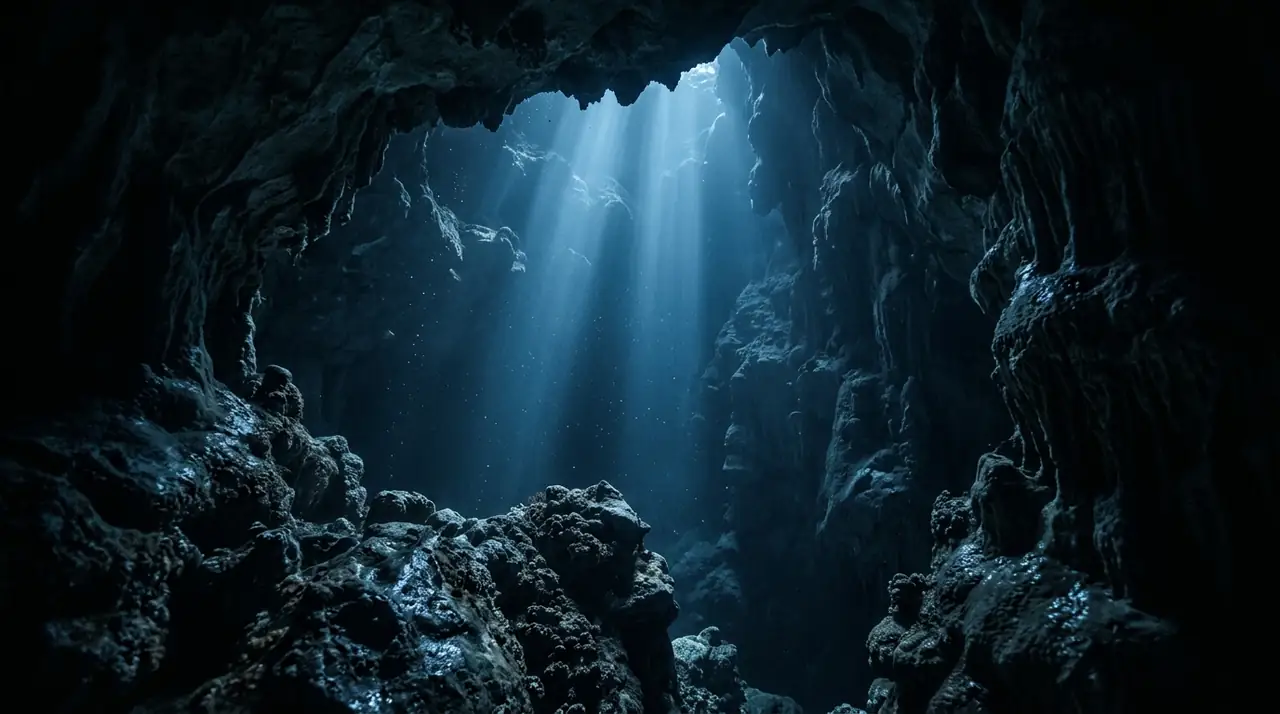
Sipadan Turtle Cavern is one of diving's most emotionally charged experiences, an extensive cavern system beneath Malaysia's most famous dive island that contains the skeletal remains of sea turtles trapped within its dark passages. The cavern forces a confrontation with mortality that no reef or wreck can match, and divers who enter emerge with an experience that reshapes their understanding of the ocean. The cavern entrance sits on Sipadan's limestone wall at approximately 18 metres depth, an opening in the reef face that gives no indication of what lies beyond. Entering with a guide, the passage widens into a chamber large enough to hold a bus, its walls and ceiling formed of ancient limestone stalactites that predate the current sea level by thousands of years. These formations grew in air when sea levels were lower, and their preservation underwater provides a geological timeline of climate change. The first turtle remains appear within 50 metres of the entrance. A complete skeleton rests on the sandy floor, its shell intact and limbs extended as though still swimming. The bones are bleached white by the alkaline water, standing in stark relief against the dark sediment. The effect is profoundly sobering. This was a living animal that entered the cavern, became disoriented in the darkness, and could not find its way back to air. Deeper into the cavern system, more remains appear. Some are partial, scattered by water movement over years, while others are remarkably complete. The guide's torch illuminates each one in turn, and the silence of the cavern amplifies the emotional weight. Estimates suggest the remains of over 20 turtles rest within the system, accumulated over decades as animals entered seeking shelter or trapped air pockets and failed to navigate back to the entrance. The cavern itself is geologically fascinating beyond its tragic contents. Stalactites and stalagmites of considerable size indicate that this space was dry land during ice ages when sea levels dropped by 100 metres or more. The formations are fragile and must not be touched, their preservation depending on the disciplined behaviour of visiting divers. White tip reef sharks rest in some of the deeper passages, and flashlight fish, with their bioluminescent organs, create eerie green pinpoints of light in the peripheral darkness. The guided route covers approximately 100 metres of the cavern's total extent, which is estimated at over 400 metres of mapped passages with additional unexplored branches. The route stays within areas where the entrance glow remains faintly visible, maintaining cavern classification rather than full cave status. The guide establishes a clear line and turn points, and groups are kept small to minimise silt disturbance. Surfacing after Turtle Cavern, with Sipadan's extraordinary reef wall alive with colour and movement beside the exit point, creates one of diving's sharpest contrasts. The turtles on the wall, gliding effortlessly in the current, are the same species as the remains in the darkness below, a reminder that the ocean's beauty and its indifference to individual survival exist in the same space.
Early access
Plan a dive here
Open the DiveOne planner to sketch a recreational plan before you go. It is a planning assistant, not a dive computer.
Marine life
Dive profile
DEPTH PROFILE
DEPTH PROGRESSION & WAYPOINTS: Sipadan Turtle Cavern
Location
Frequently asked questions
Do I need cave diving certification to dive Turtle Cavern?
While technically classified as a cavern rather than a full cave due to its large passages and proximity to the entrance, Turtle Cavern has overhead environment throughout and requires appropriate training. Most Sipadan dive operators require at minimum an Advanced Open Water certification with cavern diving experience or an introductory cave course. A qualified guide accompanies all dives. The cavern's labyrinthine passages extend far beyond the guided route, and independent exploration beyond the established path is prohibited.
How did the turtle skeletons get into the cavern?
Green sea turtles enter the cavern through openings on the reef wall, possibly seeking shelter or air pockets. The cavern system extends over 400 metres with multiple branching passages, and turtles that venture too deep become disoriented in the darkness. Unable to find their way back to the entrance, they eventually exhaust their air supply and drown. The skeletons accumulate over decades, with some estimates suggesting the remains of over 20 turtles rest within the cavern system at various points.
Is Turtle Cavern included in a standard Sipadan dive permit?
Yes, Turtle Cavern is one of the dive sites accessible under the standard Sipadan daily dive permit. However, not all dive operators include it in their itineraries as it requires qualified guides and appropriately experienced divers. The number of daily permits for Sipadan Island is strictly limited to 120 divers, so advance booking through a licensed resort on Mabul or Kapalai is essential. Permits are allocated to resorts and cannot be arranged independently.
Reviews
Reviews
No reviews yet
Data Provenance
This profile is compiled from 3 operator submissions and 142 community logs. Key facts (depth, entry) are verified against official hydrographic charts.