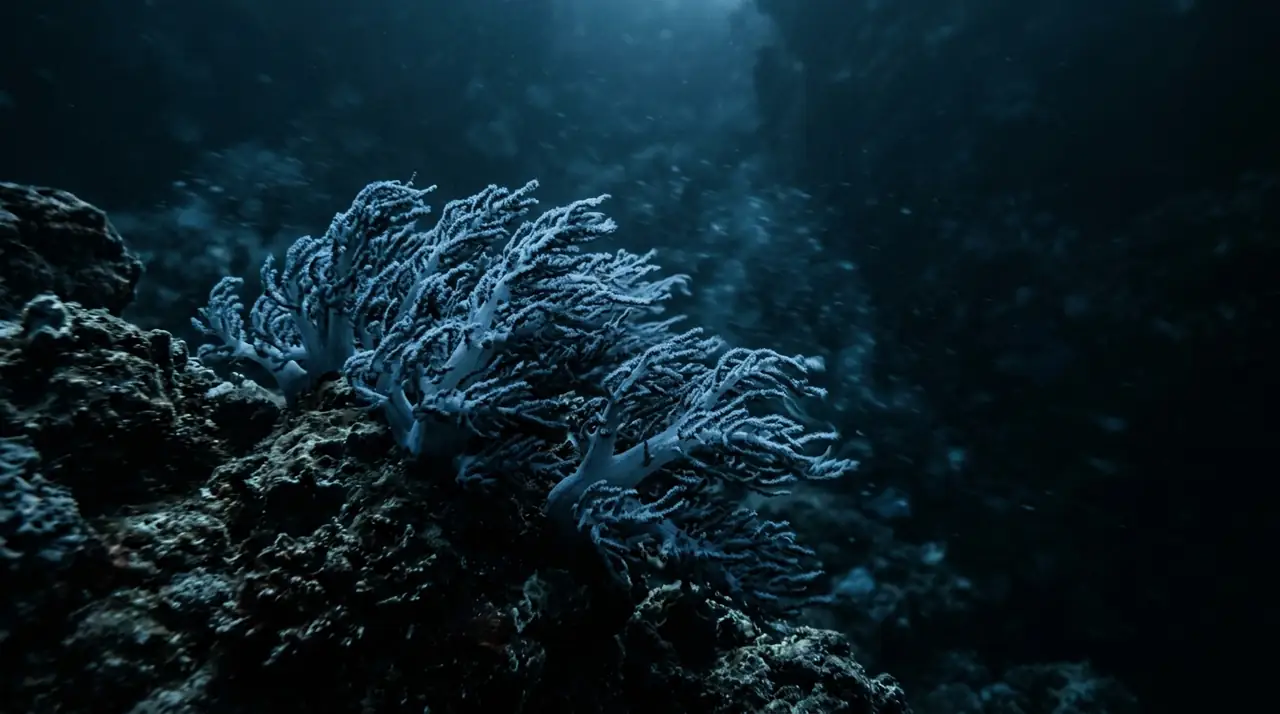
Shark Reef Marine Reserve
Overview
Shark Reef Marine Reserve off Beqa Island is the kind of dive site that simultaneously terrifies and thrills you, and then leaves you with a profound respect for creatures you once feared. Located approximately thirty minutes by boat from Pacific Harbour on Fiji's main island of Viti Levu, this community-managed marine protected area has become one of the most important shark conservation success stories in the Pacific — and arguably the best multi-species shark dive on the planet. The dive follows a carefully choreographed protocol. Divers descend to a coral amphitheatre at around 25-30 metres and kneel behind a low wall of coral rock, masks trained on a feeding station several metres away. The experienced feed team positions bait containers, and within minutes the water fills with sharks. Bull sharks arrive first, muscular three-metre bodies gliding past with proprietary confidence. Grey reef sharks circle above, whitetip reef sharks weave between the coral heads, and on fortunate days, the massive shadow of a tiger shark materialises from the blue, four metres of apex predator moving with terrifying grace. What elevates this dive beyond a mere adrenaline fix is the conservation framework behind it. The Shark Reef Marine Reserve was established in 2004 through a partnership between Beqa Adventure Divers and the local Fijian village that holds traditional fishing rights over the reef. The village receives direct income from every dive, replacing the revenue previously earned from fishing the reef. Fish biomass within the reserve has increased by over 400 percent since establishment, and the shark population has grown significantly. It is conservation financed by adventure tourism, and it works. Between the shark feeds, divers explore the surrounding reef, which bristles with healthy coral and dense fish life. Giant trevally hunt along the reef edge, schooling barracuda form silver walls, and the coral gardens harbour a supporting cast of groupers, snappers, and triggerfish. The water temperature stays comfortable at 25-29 degrees Celsius year-round, and the site operates in all seasons, making Shark Reef one of the most accessible world-class shark dives anywhere.
Early access
Plan a dive here
Open the DiveOne planner to sketch a recreational plan before you go. It is a planning assistant, not a dive computer.
Marine life
Dive profile
DEPTH PROFILE
DEPTH PROGRESSION & WAYPOINTS: Shark Reef Marine Reserve
Location
Frequently asked questions
How many shark species can be seen at Shark Reef Marine Reserve?
Up to eight species of sharks have been recorded at the site: bull sharks, tiger sharks, lemon sharks, grey reef sharks, whitetip reef sharks, blacktip reef sharks, tawny nurse sharks, and silvertip sharks. Bull sharks are the most consistently present, appearing on virtually every dive. Tiger sharks are seasonal visitors, most frequently seen between April and October. On a good day, divers may encounter five or six species in a single dive.
Is the shark feed at Beqa safe for divers?
The shark feed is conducted by Beqa Adventure Divers following strict safety protocols refined over two decades of operations. Divers kneel behind a low coral wall while experienced feeders control the bait from behind a protective barrier. The sharks are conditioned to associate the feeding area with food, not the divers. The safety record is excellent, and the operation has been studied by marine biologists who endorse the methodology as sustainable and safe.
Does the shark feeding harm the sharks or alter their natural behaviour?
Research conducted by the University of the South Pacific and international marine biologists has found no significant adverse effects on the sharks. The sharks remain wild and free-ranging, traveling widely between feeds. The amount of food provided is a small fraction of their natural diet. Crucially, the Shark Reef Marine Reserve has protected 16 hectares of reef from fishing, and the shark population has increased since the reserve was established in 2004.
Reviews
Reviews
No reviews yet
Data Provenance
This profile is compiled from 3 operator submissions and 142 community logs. Key facts (depth, entry) are verified against official hydrographic charts.