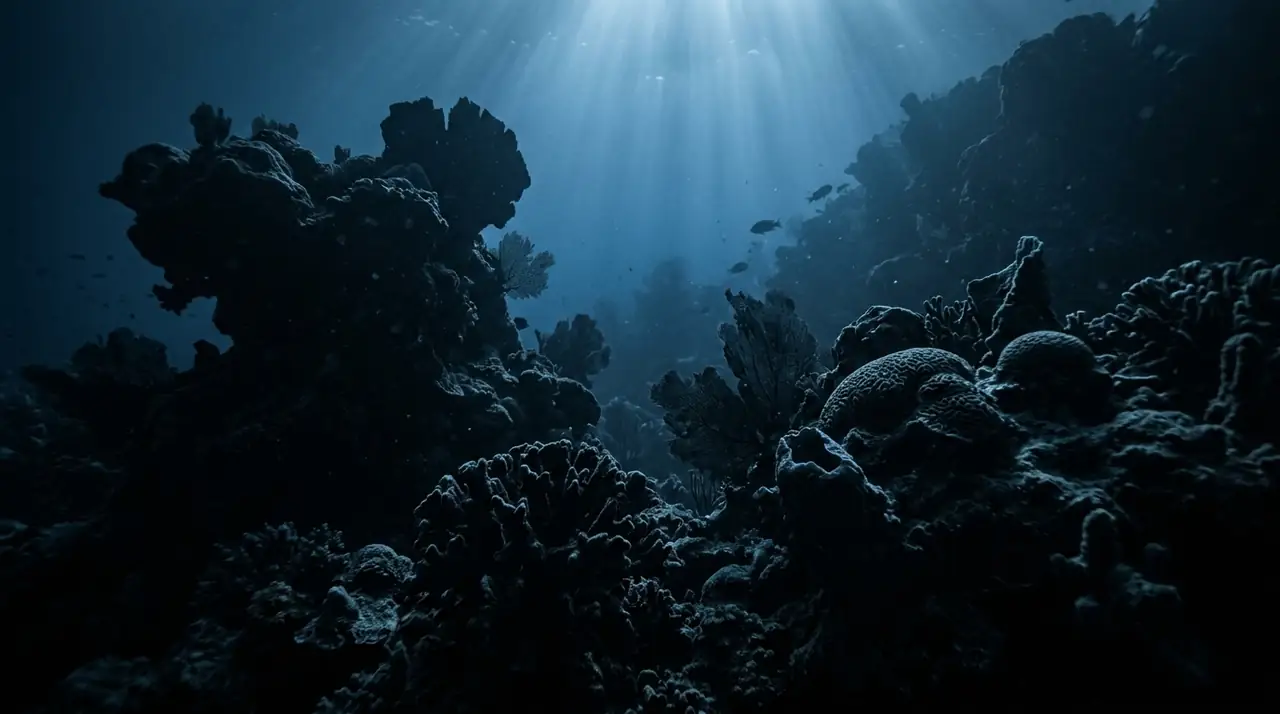
Shark Alley Gansbaai
Overview
Shark Alley is the narrow channel between Dyer Island and Geyser Rock off Gansbaai in South Africa's Western Cape. The 60,000-strong colony of Cape fur seals on Geyser Rock created a natural feeding ground that attracted one of the densest concentrations of great white sharks on Earth, establishing Gansbaai as the undisputed shark capital of the world. I boarded the cage diving boat at Kleinbaai harbour on a grey winter morning. The crossing to Dyer Island took 20 minutes, and the seal colony was staggering — thousands covering every rock surface, their barking audible above the wind. The cage was lowered alongside the boat, and I slipped in as cold Atlantic water hit like an electric shock. Within minutes, a bronze whaler shark materialised from the green murk, circling the cage with unhurried grace. The great white story has changed dramatically since 2017. A pair of orcas, known as Port and Starboard for their distinctive dorsal fins, began targeting great whites for their livers, and the population has largely relocated. This ecological shift represents a fascinating example of apex predator dynamics. But the absence of great whites has not diminished Shark Alley's importance. Bronze whalers have filled the niche, sevengill cow sharks patrol nearby kelp forests, and blue shark encounters are available offshore. The marine ecosystem is extraordinarily rich. Southern right whales migrate along this coast between June and November. African penguins nest on Dyer Island, common dolphins feed in the channel, and occasional ocean sunfish drift through. The convergence of the cold Benguela Current and warmer Agulhas Current creates one of the most productive marine environments in the world. Gansbaai is a small fishing town about two hours from Cape Town. Whether you come for cage diving or open-water kelp forest dives, Shark Alley delivers encounters with marine predators in their wild, cold, magnificent element.
Early access
Plan a dive here
Open the DiveOne planner to sketch a recreational plan before you go. It is a planning assistant, not a dive computer.
Marine life
Dive profile
DEPTH PROFILE
DEPTH PROGRESSION & WAYPOINTS: Shark Alley Gansbaai
Location
Frequently asked questions
Are great white sharks still seen at Shark Alley?
Great white shark sightings at Gansbaai have declined significantly since 2017, likely due to the arrival of orca pairs that prey on great whites. However, the area remains an important marine ecosystem with regular sightings of bronze whaler sharks, sevengill cow sharks, and blue sharks. Great whites have not disappeared entirely and occasional sightings still occur. The shift in apex predator dynamics has actually created fascinating new diving opportunities with other shark species.
Do I need diving certification for Shark Alley?
Cage diving with sharks requires no diving certification and is open to non-divers — you breathe from a hookah line while standing in a surface cage. For open-water diving with sevengill cow sharks and other species at nearby kelp forest sites, Open Water certification is required. Some operators offer baited shark dives for certified divers outside the cage, but these require a minimum of Advanced Open Water certification and previous cold-water diving experience.
When is the best time for shark diving at Gansbaai?
The traditional great white shark season runs from April to October when cooler water temperatures and seal pup activity attract predators. Bronze whaler sharks are more common during the warmer months from November to March. Sevengill cow sharks are present year-round in the kelp forests. Whale watching from the boat is a bonus during June to November when southern right whales migrate along the coast. Weather can be rough, and trips are weather-dependent.
Reviews
Reviews
No reviews yet
Data Provenance
This profile is compiled from 3 operator submissions and 142 community logs. Key facts (depth, entry) are verified against official hydrographic charts.