Secret Bay Gilimanuk
Overview
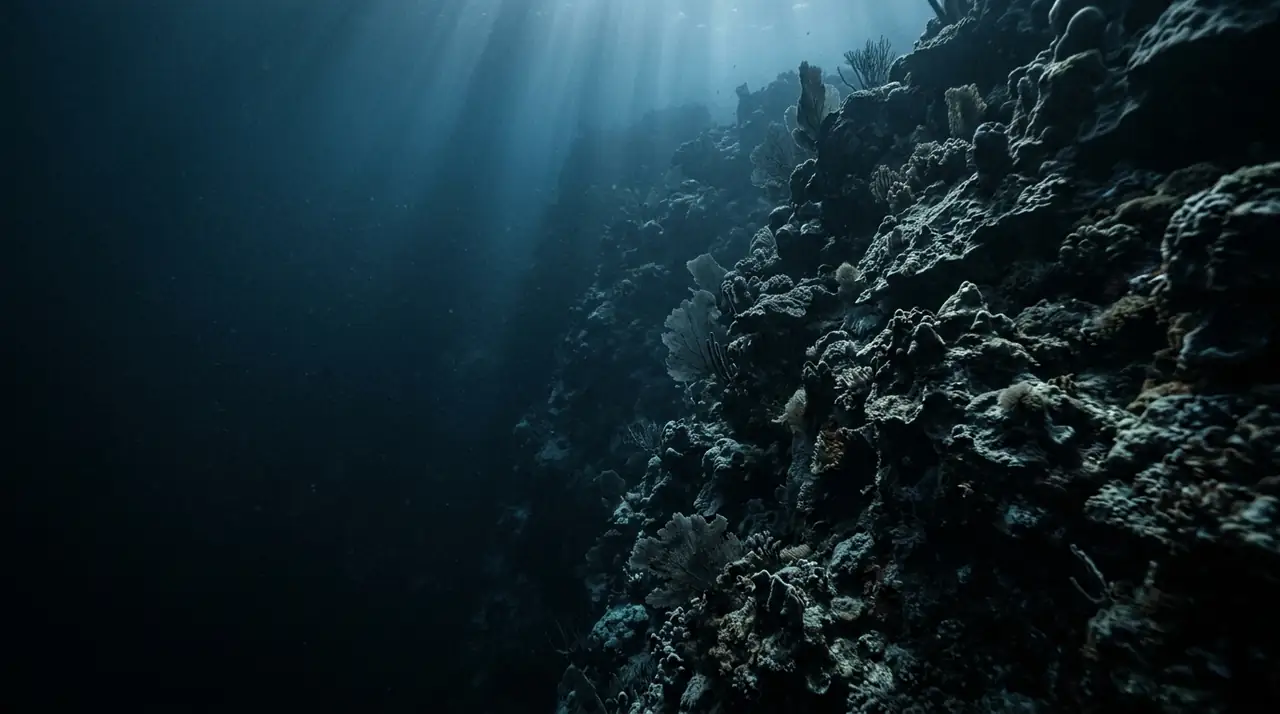
Secret Bay Gilimanuk hides in plain sight on Bali's far western tip, a shallow, silty bay adjacent to the Java ferry terminal that most travelers pass through without a second glance. Beneath the unremarkable surface lies one of the Indo-Pacific's most productive muck diving sites, a black volcanic sand slope that packs more rare critters per square meter than anywhere else on Bali and rivals the legendary muck sites of Lembeh Strait and Anilao. I walked in from the beach just after dawn, the water warm at twenty-eight degrees and the visibility a workable eight meters. The bottom dropped gently from the shore, black volcanic sand giving way to patches of rubble and sparse seagrass. Within three minutes and at barely four meters deep, my guide had found the first frogfish: a hairy frogfish the size of a tennis ball, its body covered in fleshy filaments that made it nearly invisible against the debris it sat upon. It was going to be that kind of dive. Over the next ninety minutes at depths never exceeding ten meters, Secret Bay unloaded its treasures with almost absurd generosity. A mimic octopus flowed across the sand, its body shifting between flounder, lionfish, and sea snake impersonations with each perceived threat. Two painted frogfish in different color phases sat within a meter of each other on a discarded tire. A wonderpus emerged from its burrow, extending its dramatically striped arms in a threat display that seemed designed specifically for my camera. The macro life here is staggering in its density. Ornate ghost pipefish hung among crinoid arms, their bodies matching the feathered profile of their hosts with uncanny precision. A blue-ringed octopus retreated into a shell, flashing its warning rings. Flamboyant cuttlefish walked across the sand on their modified arms, their bodies pulsing with psychedelic patterns of purple, pink, and yellow. And mantis shrimp occupied every suitable burrow, their stalked eyes tracking my movements with an intelligence that is slightly unsettling in an arthropod.
Early access
Plan a dive here
Open the DiveOne planner to sketch a recreational plan before you go. It is a planning assistant, not a dive computer.
Marine life
Dive profile
DEPTH PROFILE
DEPTH PROGRESSION & WAYPOINTS: Secret Bay Gilimanuk
Location
Frequently asked questions
How does Secret Bay compare to Lembeh Strait for muck diving?
Secret Bay offers critter density and diversity that genuinely rivals Lembeh Strait, which is often considered the world's premier muck diving destination. The species overlap is significant, with both sites hosting frogfish, mimic octopus, wonderpus, and flamboyant cuttlefish. Secret Bay's advantage is its accessibility as a shore dive on Bali, while Lembeh requires a separate trip to North Sulawesi. Secret Bay is shallower with a maximum depth of about 12 meters, making it possible to do very long dives on a single tank.
What camera equipment is recommended for Secret Bay?
Macro photography is the primary focus at Secret Bay. A camera with a dedicated macro lens is essential, ideally a 60mm or 100mm macro for SLR systems or a wet macro lens for compact cameras. A snoot or focused strobe setup is extremely useful for isolating subjects against the dark volcanic sand. Video shooters should bring a macro diopter. Because depths are shallow and dives can be very long, having adequate battery and storage capacity matters more here than at deeper sites.
When is the best time for night diving at Secret Bay?
Night diving at Secret Bay is available year-round and is considered essential for the full experience. Many signature critters, including Bobbit worms and stargazers, are exclusively or predominantly nocturnal. The best approach is to enter the water at dusk for a twilight transition dive, which catches both diurnal species settling for the night and nocturnal species emerging. Local guides typically know exactly where resident critters are located and can lead you directly to the highlights.
Reviews
Reviews
No reviews yet
Data Provenance
This profile is compiled from 3 operator submissions and 142 community logs. Key facts (depth, entry) are verified against official hydrographic charts.