Scandola Nature Reserve
Overview
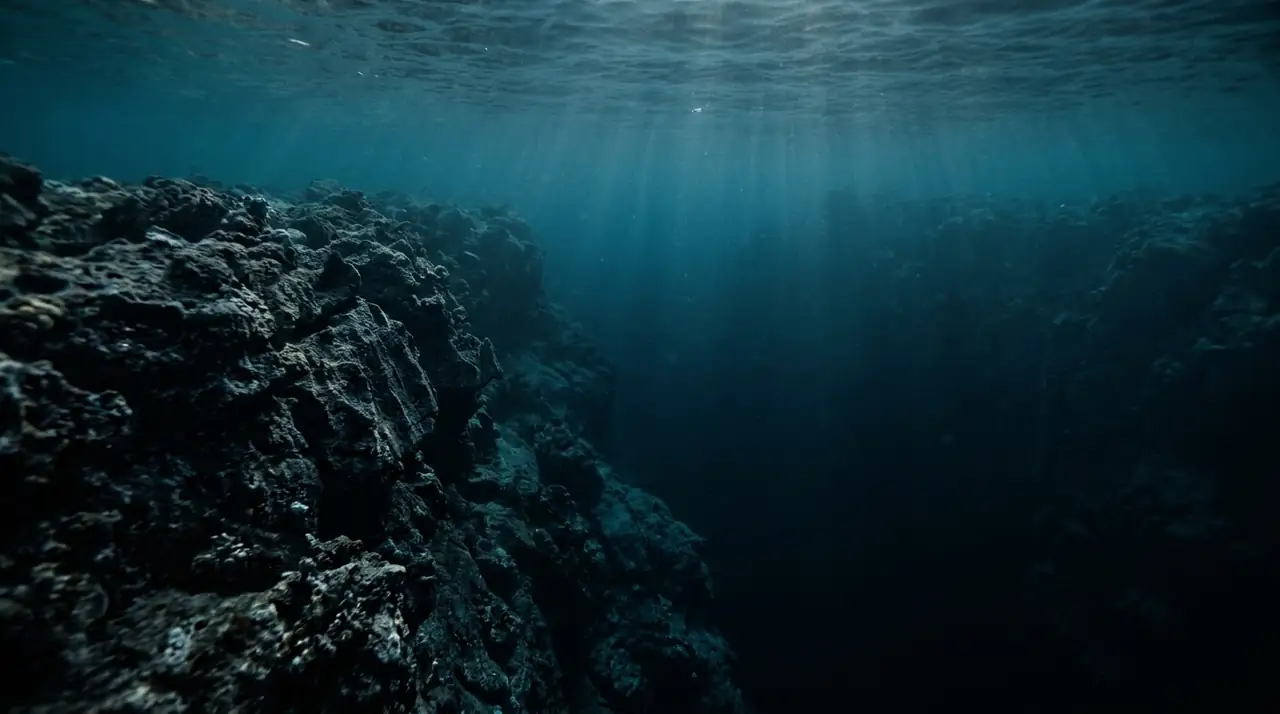
The Scandola Nature Reserve on Corsica's west coast is one of the Mediterranean's most celebrated marine environments, and diving along its borders ranks among the finest experiences available to European divers. Established in 1975, this combined land and sea reserve covers 900 hectares of volcanic peninsula and 1,000 hectares of protected sea within the Gulf of Porto, earning UNESCO World Heritage status for its outstanding natural beauty and ecological importance. The reserve sits on the remnants of a collapsed volcano, and this geological heritage defines the underwater landscape. Red and black volcanic rock forms dramatic pinnacles, walls, and boulder fields that plunge from the surface into depths beyond 40 metres. While diving inside the core reserve is strictly prohibited, the sites along its borders benefit enormously from the spillover effect, harbouring life in concentrations rarely seen elsewhere in the Mediterranean. The signature feature is the red gorgonian forest. These magnificent sea fans carpet the volcanic walls from around 20 metres depth, creating dense stands that sway gently in the current. Among the gorgonians, you will find nudibranchs of surprising variety, crayfish tucked into crevices, and colonies of red coral in the deeper overhangs. Massive dusky groupers patrol their territories with regal indifference, while moray eels display their characteristic gaping from every other hole. The volcanic topography creates a variety of dive profiles. Walls offer dramatic drop-offs with gorgonians at every depth, while pinnacles rising from the sandy seabed attract pelagic visitors including schools of dentex and barracuda. Swim-throughs carved into the volcanic rock add adventure to every dive. Dolphins are regularly spotted from the boat in the Gulf of Girolata, and occasionally join divers in the water. Visibility typically ranges from 20 to 30 metres, enhanced by the deep blue water characteristic of Corsica's west coast. Water temperatures are comfortable from June through September, reaching 25 degrees at the surface. Dive centres in Porto and Galeria offer daily boat trips to the reserve's boundary sites, with journey times of 20 to 40 minutes depending on the chosen dive location. Scandola represents the gold standard of Mediterranean marine protection and a benchmark for what healthy Mediterranean ecosystems can look like.
Early access
Plan a dive here
Open the DiveOne planner to sketch a recreational plan before you go. It is a planning assistant, not a dive computer.
Marine life
Dive profile
DEPTH PROFILE
DEPTH PROGRESSION & WAYPOINTS: Scandola Nature Reserve
Location
Frequently asked questions
Can you scuba dive inside Scandola Nature Reserve?
Diving inside the core reserve zone is prohibited to protect the marine ecosystem. However, diving right along the border of the reserve offers exceptional quality, with the protected waters ensuring abundant marine life spills over into adjacent dive sites. Dive centres in Porto and Galeria operate trips to these boundary sites.
When is the best time to dive near Scandola in Corsica?
June through September offers the best conditions with water temperatures of 20 to 25 degrees Celsius and visibility exceeding 25 metres. The volcanic coastline provides shelter from the prevailing westerly winds on many sites. May and October are cooler but offer fewer divers and often excellent visibility.
What makes Scandola special for diving compared to other Mediterranean sites?
Scandola is one of the few places where volcanic geology meets strict marine protection and UNESCO World Heritage status. The 1,000 hectares of protected sea, established in 1975, have allowed grouper populations to flourish and red gorgonian forests to reach extraordinary density. The combination of volcanic pinnacles, red rock formations, and crystal water is unique in the Mediterranean.
Reviews
Reviews
No reviews yet
Data Provenance
This profile is compiled from 3 operator submissions and 142 community logs. Key facts (depth, entry) are verified against official hydrographic charts.