Sawai Bay
Overview
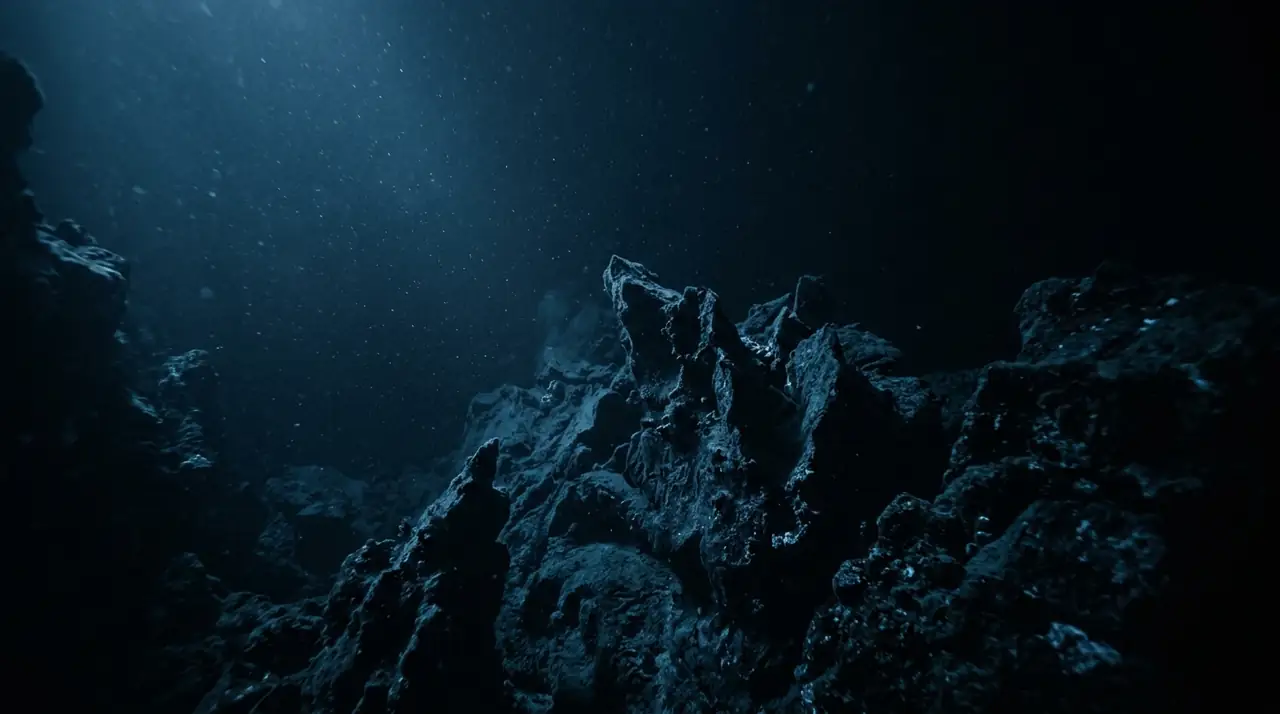
Sawai Bay on Seram's remote northern coast is one of the last genuinely undiscovered dive destinations in Indonesia's Maluku province. The bay sits where the mountainous spine of Seram descends through dense rainforest to meet a coral-fringed coastline, creating an ecosystem where mangrove roots transition to fringing reef within metres. There are no dive shops, no mooring buoys, no other divers. This is frontier exploration in the truest sense. I reached Sawai after a bone-rattling drive from Amahai through Manusela National Park territory. The village occupies a narrow strip between jungle and sea, with traditional stilt houses extending over the shallows. A local fisherman motored us to the outer reef edge in his wooden longboat. The reef began in the shallows with dense staghorn coral thickets sheltering juvenile fish in extraordinary numbers. Descending the reef slope, hard coral coverage exceeded anything I have seen outside Raja Ampat. Massive table corals formed overlapping tiers, and branching Acropora created corridors alive with chromis and damselfish. At eighteen metres, a blacktip reef shark materialised from the blue, circled once with evident curiosity, and disappeared along the reef edge. Giant trevally hunted in pairs over the coral shelf, their silver flanks catching the light as they accelerated through schools of fusiliers. A napoleon wrasse of considerable size watched from a distance, retreating slowly as I drifted closer. The mangrove interface was equally rewarding. Juvenile blacktip sharks patrolled the root systems in ankle-deep water. Mantis shrimp occupied burrows in the sandy channels between coral heads. The nutrient exchange between mangrove and reef creates a food web density that the open reef alone cannot match. Sawai's isolation is both its greatest strength and its logistical challenge. The community's traditional sasi system protects reef sections from fishing during designated periods, an indigenous marine conservation practice that predates any government regulation. What results is reef health that approaches genuine baseline conditions for eastern Indonesian coral ecosystems.
Early access
Plan a dive here
Open the DiveOne planner to sketch a recreational plan before you go. It is a planning assistant, not a dive computer.
Marine life
Dive profile
DEPTH PROFILE
DEPTH PROGRESSION & WAYPOINTS: Sawai Bay
Location
Frequently asked questions
How do I get to Sawai Bay on Seram Island?
Fly from Ambon to Amahai Airport on Seram's south coast, then travel overland approximately three hours through the island's mountainous interior to Sawai village on the north coast. Alternatively, take a speedboat from Ambon across the strait to Sawai directly, which takes roughly two hours depending on sea conditions. There is basic guesthouse accommodation in Sawai village, and local fishermen serve as boat guides to dive sites around the bay. No dive operators are permanently based here, so most visitors arrange diving through Ambon-based operators or bring their own equipment.
What makes Sawai Bay diving different from other Maluku sites?
Sawai Bay combines a sheltered mangrove-reef system with virtually zero diving pressure. The bay's reefs have never been commercially dived, and the combination of mangrove nursery habitat and deep-water channels creates unusual biodiversity for such a small area. The proximity to Manusela National Park means the terrestrial environment is equally pristine, and the Sawai village community actively protects the reef through traditional sasi resource management practices that restrict fishing in designated areas seasonally.
What is the best season to dive Sawai Bay?
The optimal window runs from September through December when the Banda Sea calms between monsoon transitions. Visibility peaks during October and November, often exceeding 25 metres on the outer reef. The wet season from June to August brings stronger winds and reduced visibility, though diving remains possible in the sheltered inner bay. Water temperatures remain warm year-round between 27 and 30 degrees Celsius. The transitional months also coincide with peak marine life activity as nutrient-rich upwellings attract larger pelagic fish to the reef edges.
Reviews
Reviews
No reviews yet
Data Provenance
This profile is compiled from 3 operator submissions and 142 community logs. Key facts (depth, entry) are verified against official hydrographic charts.