Saros Bay Gallipoli Wrecks
Overview
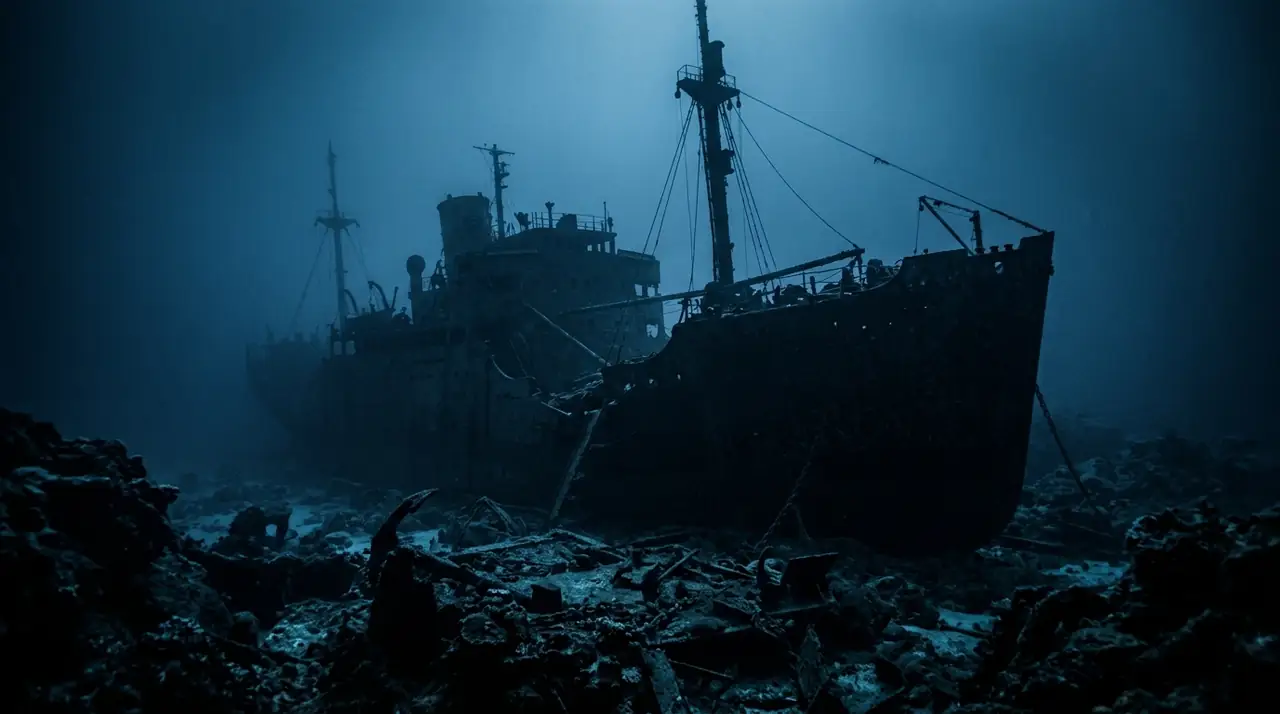
The waters around the Gallipoli Peninsula and Saros Bay hold one of the most historically charged collections of shipwrecks anywhere in the world. During the Gallipoli campaign of 1915, Allied forces attempted to force the Dardanelles strait. The campaign cost over 130,000 lives and left dozens of warships on the seabed — torpedoed by submarines, sunk by mines, or shelled by shore batteries. I descended to the wreck of HMS Majestic, a pre-dreadnought battleship torpedoed by the German submarine U-21 on 27 May 1915. She lies capsized in around 24 metres, her hull encrusted with mussels, sponges, and anemones that have colonised every surface over a century. The scale is sobering — a 16,000-tonne warship carrying over 700 men, with gun positions and armoured plates still identifiable beneath the marine growth. The Dardanelles currents define the challenge here. The strait funnels water between the Aegean and the Sea of Marmara, creating flows exceeding three knots. Dive operators time descents around slack water, but current can build rapidly. Combined with moderate visibility of 5 to 15 metres and the emotional weight of diving war graves, this demands respect and preparation. Beyond HMS Majestic, the seabed holds the French submarine Saphir, mined in 1915, and scattered debris from smaller vessels. Turkish minefields accounted for three Allied battleships in a single day on 18 March 1915. Marine life has transformed these machines of war into artificial reefs. Scorpionfish lie on hull plates, sea bass patrol the structure, and blennies peer from portholes. The encrustation is thick and colourful, a reminder that nature neither knows nor cares about the tragedies that placed these ships here. Diving the Gallipoli wrecks is profoundly moving — these are the final resting places of thousands of young men, and approaching them with seriousness transforms a dive trip into a pilgrimage.
Early access
Plan a dive here
Open the DiveOne planner to sketch a recreational plan before you go. It is a planning assistant, not a dive computer.
Marine life
Dive profile
DEPTH PROFILE
DEPTH PROGRESSION & WAYPOINTS: Saros Bay Gallipoli Wrecks
Location
Near Eceabat, in the Gallipoli Peninsula, Thrace region of Turkey.
Frequently asked questions
What wrecks can be dived at Saros Bay and the Gallipoli area?
The area contains several significant World War One wrecks including HMS Majestic, a pre-dreadnought battleship torpedoed in 1915, lying in about 24 metres. Other diveable wrecks include the French submarine Saphir and the Turkish minelayer Nusret (a replica, as the original was recovered). Some wrecks are designated war graves and have restrictions on penetration. The Turkish government manages access and certain sites require special permits.
What makes diving at Gallipoli challenging?
The Dardanelles strait has strong tidal currents that can exceed three knots, making dive planning critical. Visibility is typically moderate at 5 to 15 metres due to sediment carried by the currents. Water temperatures are cooler than the Aegean coast, ranging from 12 to 24 degrees. The combination of current, limited visibility, and the depth of some wrecks means that advanced certification, drift diving experience, and ideally technical diving qualifications are strongly recommended.
Are the Gallipoli wrecks accessible to recreational divers?
Some wrecks, including sections of HMS Majestic at 24 metres, are within recreational depth limits and accessible to Advanced Open Water divers during slack current windows. However, the strong currents mean that dive operators carefully time descents and many dives are conducted as drift dives. The deeper wrecks and submarine remains require technical diving certifications. All diving must be arranged through licensed operators in Eceabat or Canakkale who understand local current patterns.
Reviews
Reviews
No reviews yet
Data Provenance
This profile is compiled from 3 operator submissions and 142 community logs. Key facts (depth, entry) are verified against official hydrographic charts.