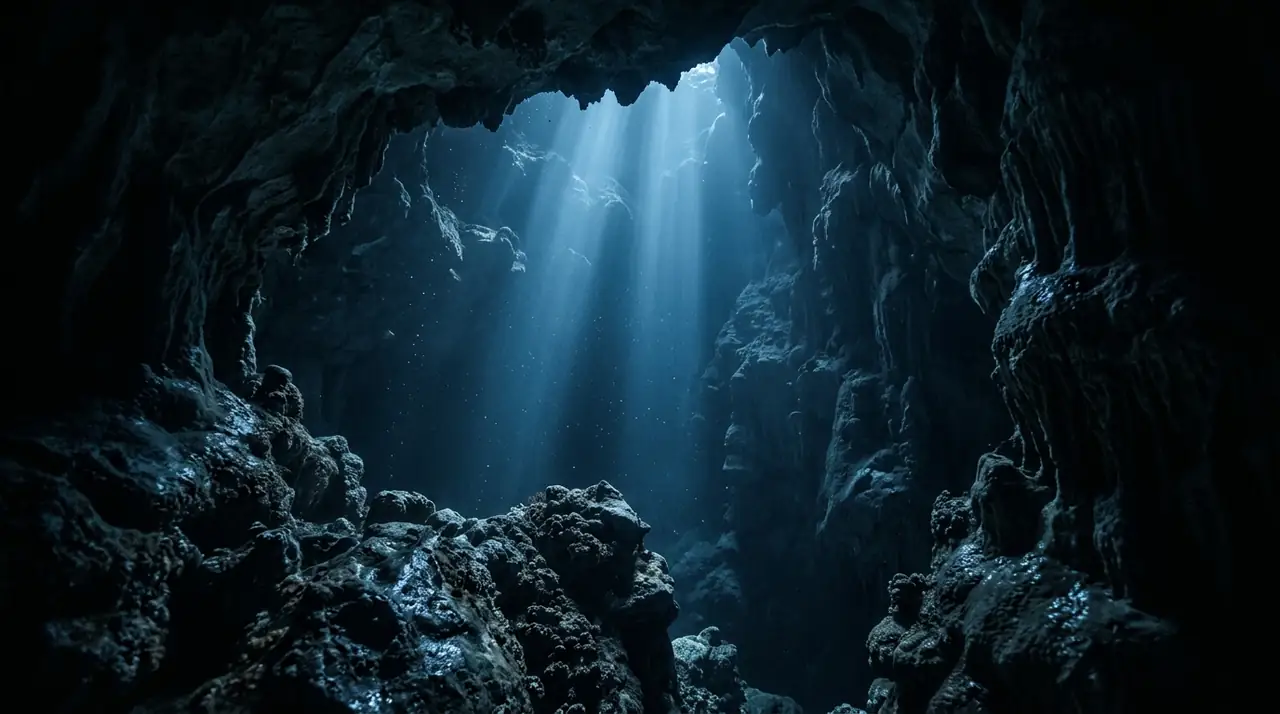
Sardine Run Wild Coast
Overview
The Sardine Run along South Africa's Wild Coast is not merely a dive trip -- it is a front-row seat to the greatest wildlife spectacle the ocean produces. Each June and July, billions of sardines migrate northward along the coast from the Eastern Cape toward KwaZulu-Natal, driven by cold water upwellings that create a narrow band of habitable temperature along the continental shelf. Behind them comes everything that eats fish: common dolphins by the thousand, bronze whaler sharks in their hundreds, Bryde's whales breaching through bait balls, and Cape gannets diving from twenty meters like feathered missiles. We launched from Port St Johns at first light in a rigid inflatable boat, scanning the horizon for the telltale signs: diving birds, dolphin pods moving with purpose, and the dark shadow of fish visible against the lighter water. The spotter plane radioed coordinates, and we ran south for twenty minutes before finding the action. A pod of at least a thousand common dolphins was working a sardine shoal against the surface, their coordinated movements compressing the fish into a tight ball perhaps fifteen meters across. I rolled in with mask and snorkel, the water cold enough to make me gasp despite my wetsuit. The bait ball was directly below, a swirling mass of silver that pulsed and shifted shape as the dolphins attacked from below. Bronze whaler sharks materialized from the blue, three, then five, then at least eight, their brown bodies cutting through the sardine mass with jaws agape, turning the water into a blizzard of scales and fish fragments. A Cape gannet hit the water beside me with shocking force, plunging through the surface at sixty kilometers per hour to emerge seconds later with a sardine crosswise in its bill.
Early access
Plan a dive here
Open the DiveOne planner to sketch a recreational plan before you go. It is a planning assistant, not a dive computer.
Marine life
Dive profile
DEPTH PROFILE
DEPTH PROGRESSION & WAYPOINTS: Sardine Run Wild Coast
Location
Near Port St Johns, in the KwaZulu-Natal / Eastern Cape region of South Africa.
Frequently asked questions
What exactly is the Sardine Run?
The Sardine Run is an annual migration of billions of South African sardines along the country's eastern coast from the Eastern Cape toward KwaZulu-Natal. Driven by cold water currents, the sardines move northward in massive shoals that attract virtually every predator in the ocean. Common dolphins herd sardines into dense bait balls near the surface, which are then attacked by sharks, Bryde's whales, and diving Cape gannets simultaneously, creating feeding frenzies of a scale unmatched anywhere else on Earth.
How reliable is the Sardine Run?
The Sardine Run is an annual event but its timing, location, and intensity vary significantly from year to year depending on water temperatures and current patterns. Some years produce spectacular surface action with multiple bait balls daily, while others see the sardines running deeper or further offshore where they are less accessible. Most operators run trips of 5 to 7 days to maximize chances of encountering the action. June and early July are typically the peak period, but exact dates shift annually.
Is the Sardine Run dangerous for divers?
The Sardine Run involves entering open water with multiple shark species in an active feeding situation, which carries inherent risks. Bronze whaler sharks, blacktip sharks, and dusky sharks are the primary species involved, and they can be aggressive during feeding. Most interactions are via snorkeling rather than scuba diving, as the action occurs near the surface. Experienced guides position participants carefully to minimize risk while maximizing encounters. The activity is not suitable for inexperienced open-water swimmers.
Reviews
Reviews
No reviews yet
Data Provenance
This profile is compiled from 3 operator submissions and 142 community logs. Key facts (depth, entry) are verified against official hydrographic charts.