Sarangani Bay
Overview
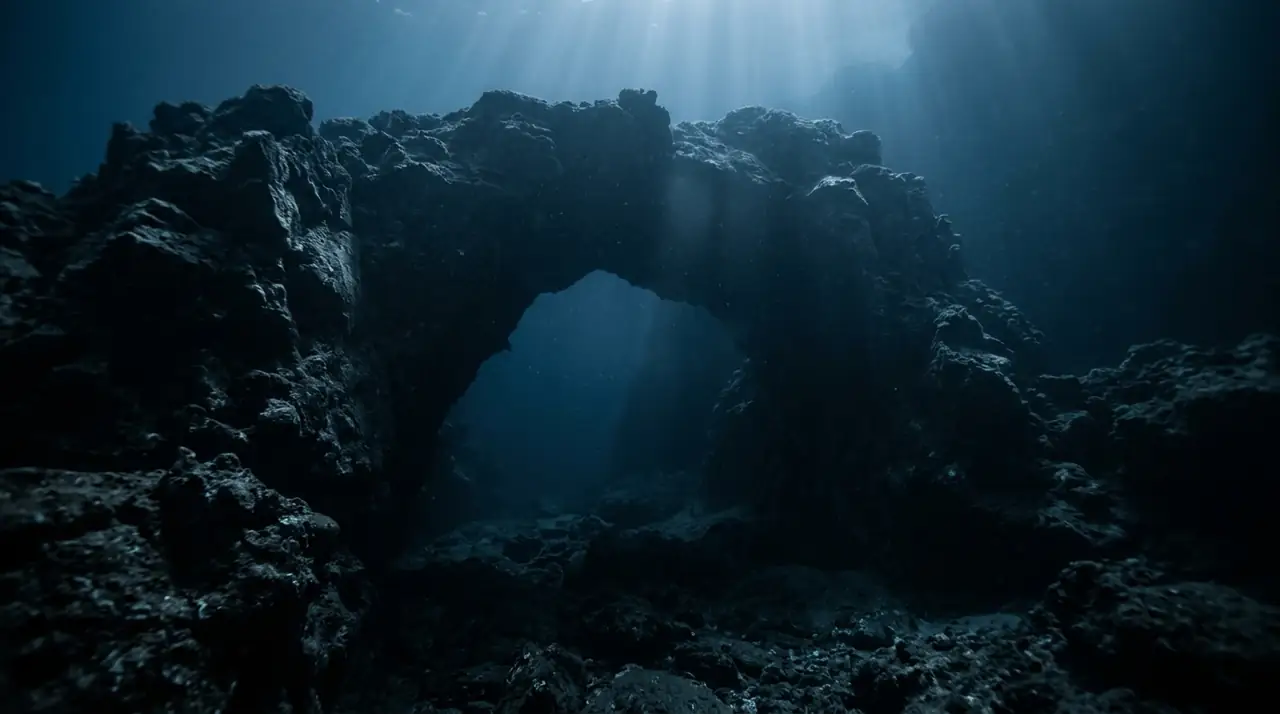
Sarangani Bay is a massive protected seascape on Mindanao's southern coast, its waters washing against the Philippines' southernmost reaches before the Celebes Sea opens toward Indonesia. General Santos City, the tuna capital, sits at the bay's head, but the marine environment beneath these waters holds diving potential almost entirely unexplored internationally. I dived Sarangani over three days with a local operator mapping the bay's reef systems. The coral walls along the outer islands were the immediate revelation. Vertical drops from reef crest to thirty-five metres, covered in enormous sea fans, soft coral trees, and barrel sponges of a size suggesting decades of undisturbed growth. The absence of anchor damage spoke to the bay's protected status. Giant trevally appeared in numbers I associated more with remote Pacific atolls than Philippine bays. Schools of tuna passed through deeper water beyond the wall edge. A humphead wrasse of staggering size emerged from beneath a table coral, its bulk seeming to distort the water around it. The seagrass flats offered different diving. Shallow, patient, focused on dugong sightings. We snorkelled the eastern shore at dawn, drifting over hectares of dense Enhalus acoroides, and on the second morning our guide spotted the telltale grazing trail. The dugong surfaced briefly fifty metres ahead, its rounded back breaking the surface before submerging. A wild encounter lasting perhaps fifteen seconds. Whale sharks visit the channel between March and June. My visit in April coincided with two juveniles feeding in open water. Without the feeding stations that made Oslob controversial, these encounters feel fundamentally different. The whale shark moves at its own pace, on its own terms. Sarangani Bay's future depends on maintaining the balance between General Santos' fishing industry and marine conservation. The protected seascape designation is the foundation, but enforcement will determine whether these reefs remain as healthy as I found them.
Early access
Plan a dive here
Open the DiveOne planner to sketch a recreational plan before you go. It is a planning assistant, not a dive computer.
Marine life
Dive profile
DEPTH PROFILE
DEPTH PROGRESSION & WAYPOINTS: Sarangani Bay
Location
Near General Santos City, in the Soccsksargen region of Philippines.
Frequently asked questions
Is it safe to travel to Sarangani Bay for diving?
General Santos City is a modern, peaceful city that serves as the tuna capital of the Philippines. The Sarangani Bay area has been stable and safe for tourism for many years, and the bay is a designated protected seascape. Travel advisories for Mindanao generally refer to specific conflict-affected areas in the western and central regions, not the southern coastal cities. Exercise standard travel precautions as you would anywhere in the Philippines. Dive operators and local tourism officials can provide current security assessments.
How do I get to Sarangani Bay?
Fly to General Santos International Airport, which receives daily flights from Manila, Cebu, and Davao. The airport is approximately 15 kilometres from the city centre and the main boat departure points for Sarangani Bay diving. Several dive operators in General Santos offer day trips and multi-day packages to the bay's dive sites. The outer islands of Sarangani and Balut have basic accommodation for extended diving trips.
When are whale sharks and dugongs most likely to be encountered?
Whale sharks visit the bay's deeper channels primarily between March and June, coinciding with plankton blooms driven by seasonal current changes. Encounters are genuine wild sightings rather than the feeding station model used in Oslob. Dugongs are present year-round in the seagrass beds but are shy and encounters require patience and local knowledge. The best dugong sighting areas are the shallow seagrass flats along the bay's eastern shore, where morning dives offer the highest probability.
Reviews
Reviews
No reviews yet
Data Provenance
This profile is compiled from 3 operator submissions and 142 community logs. Key facts (depth, entry) are verified against official hydrographic charts.