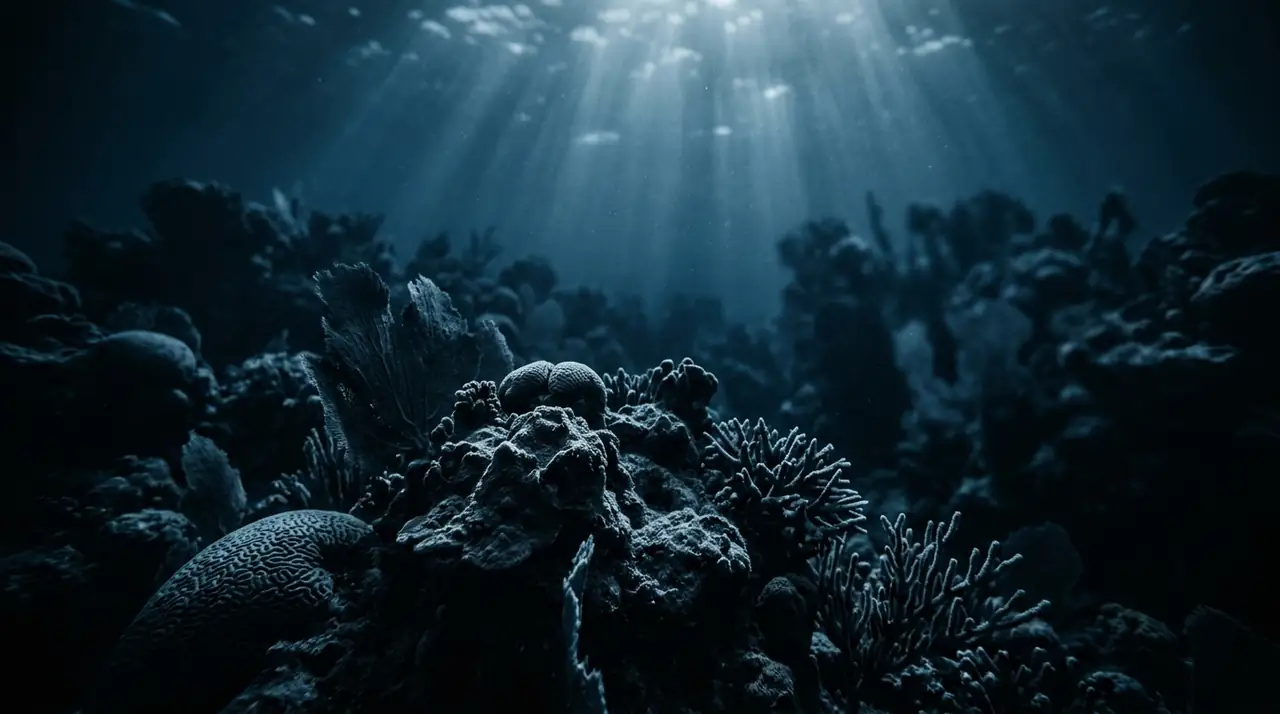
Santorini - Caldera Dive
Overview
Diving in the Santorini caldera is an experience that exists at the intersection of natural wonder and ancient history. This crescent-shaped island in the Cyclades was formed by the catastrophic Minoan eruption around 1600 BC, one of the most powerful volcanic events in human history, which blew apart the original island and created the dramatic flooded crater that visitors see today. The white-washed villages perched on the caldera rim, hundreds of metres above the sea, are among the most iconic sights in Greece. Below that rim, the underwater world is equally extraordinary. The caldera walls continue below the waterline as steep volcanic cliffs, composed of layers of pumice, lava, and ash deposits that reveal the geological history of successive eruptions. The rock is sculpted into dramatic formations: overhangs, caverns, pinnacles, and ridges that provide habitat for a surprising diversity of marine life. The volcanic substrate, rich in minerals, supports vigorous growth of sponges and encrusting organisms that colour the dark rock in vivid yellows, oranges, and reds. Near the Kameni islands at the centre of the caldera, active thermal vents release warm water through the seabed, creating localised areas where temperatures are noticeably higher and mineral deposits colour the rock in unusual hues. Bubbles rise from submerged fumaroles, a constant reminder that this volcano is merely dormant, not extinct. These geothermal features add a dimension to the diving that is genuinely unique in the Mediterranean. The marine life in the caldera is richer than the volcanic landscape might suggest. Groupers have established territories in the larger caverns, moray eels inhabit the crevices, and octopuses are common on the rocky substrate. Schools of damselfish and sea bream populate the shallower sections, while in deeper water, barracuda and amberjack cruise past the wall. The volcanic rock provides excellent camouflage for scorpionfish, and divers with a keen eye will find nudibranchs on the sponge-covered surfaces. Visibility in the caldera typically ranges from 15 to 30 metres, with the clearest conditions in early summer. Water temperatures are pleasant from June to October, reaching 26 degrees in August. The caldera provides natural shelter from the prevailing Meltemi winds, so conditions are often calmer here than on the open Aegean coast. Dive boats operate from Ammoudi Bay beneath Oia or from Vlychada on the southern coast. Diving the Santorini caldera is about much more than marine life: it is about experiencing one of the Earth's great geological events from the inside, surrounded by the remnants of an ancient catastrophe that shaped Mediterranean civilisation.
Early access
Plan a dive here
Open the DiveOne planner to sketch a recreational plan before you go. It is a planning assistant, not a dive computer.
Marine life
Dive profile
DEPTH PROFILE
DEPTH PROGRESSION & WAYPOINTS: Santorini - Caldera Dive
Location
Frequently asked questions
What makes diving in the Santorini caldera unique?
Santorini's caldera was formed by one of the largest volcanic eruptions in recorded history around 1600 BC, the Minoan eruption. Diving inside the caldera means descending along the submerged inner walls of this ancient volcano, past layers of volcanic rock and pumice that tell the geological story. Active thermal vents near the Kameni islands release warm water and mineral deposits, and the volcanic substrate creates unique rock formations found nowhere else.
What certification do I need to dive in the Santorini caldera?
Open Water divers can enjoy several sites at 10 to 18 metres around the caldera. The deeper wall dives reaching 30 metres require Advanced Open Water certification. The caldera is sheltered from most wind directions, making conditions generally calm. Some sites near Nea Kameni volcano are restricted, and all diving should be arranged through licensed Santorini dive operators.
When is the best time to dive in Santorini?
The diving season runs from May to October, with June to September offering the warmest water at 22 to 26 degrees Celsius and the most reliable visibility. The summer Meltemi winds can create surface chop on the outer eastern side of the island, but the caldera itself is sheltered. Spring and autumn offer quieter conditions with fewer tourists.
Reviews
Reviews
No reviews yet
Data Provenance
This profile is compiled from 3 operator submissions and 142 community logs. Key facts (depth, entry) are verified against official hydrographic charts.