Santo Antão
Overview
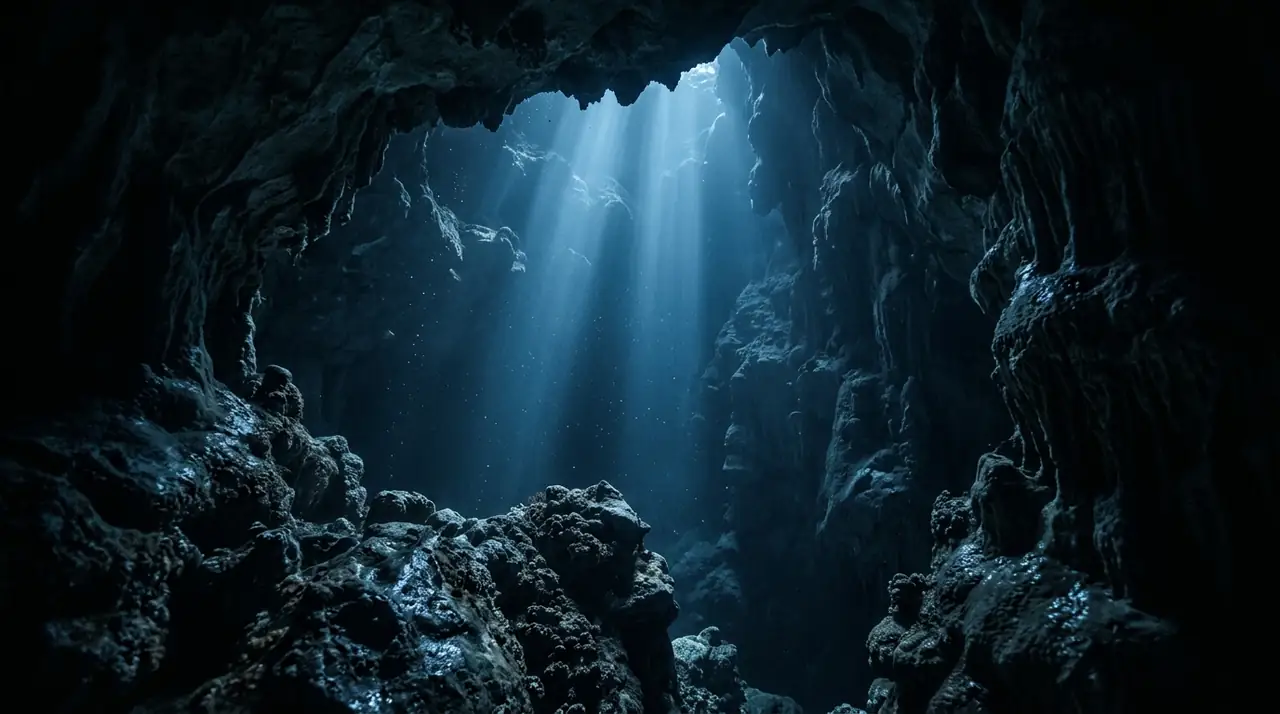
Santo Antão is the wildest and most dramatic diving destination in the Cape Verde archipelago. This mountainous island, the most northwesterly in the chain, plunges into the Atlantic with the same volcanic ferocity above water as below. Underwater, the seascape is defined by towering basalt pinnacles, black volcanic walls encrusted with orange cup corals, and nutrient-laden Atlantic currents that attract an impressive roster of pelagic visitors. This is not a place for casual holiday diving — it is an expedition-grade destination that rewards experienced divers with encounters that feel genuinely wild. The pinnacle sites along Santo Antão's south coast are the main attraction. Massive volcanic rock formations rise from depths of 40 metres or more to within 8 metres of the surface, creating vertical walls and channels where currents accelerate and concentrate marine life. During my dives here, the current was substantial — strong enough to require careful positioning behind the pinnacle before peering around the edge into the flow. The reward was immediate: a manta ray cruising through a cleaning station on the pinnacle's lee side, its wingspan easily exceeding three metres, while schools of wahoo and yellowfin tuna tracked through the blue water beyond. The volcanic rock itself is visually stunning. Unlike tropical reef structures built by organisms, these pinnacles are raw geology — angular basalt columns and lava formations draped in encrusting life. Moray eels coil in the crevices, black grouper hover in the shadows of overhangs, and octopus change colour against the dark volcanic substrate. Loggerhead turtles pass through the area during their Atlantic migrations, and barracuda schools are a fixture at the pinnacle tops. Visibility at Santo Antão ranges from 15 to 30 metres, with better conditions from July to November when the sea is calmer and water temperatures reach 27 degrees. The diving infrastructure is minimal — a handful of experienced operators running rigid-hull inflatable boats from Porto Novo — and the absence of crowds is absolute. On most dives, your group will be the only people in the water for kilometres. For divers who have exhausted the mainstream destinations and crave something genuinely remote and uncharted, Santo Antão delivers Atlantic diving at its most raw and rewarding.
Early access
Plan a dive here
Open the DiveOne planner to sketch a recreational plan before you go. It is a planning assistant, not a dive computer.
Marine life
Dive profile
DEPTH PROFILE
DEPTH PROGRESSION & WAYPOINTS: Santo Antão
Location
Near Porto Novo, in the Barlavento Islands region of Cape Verde.
Frequently asked questions
How do I arrange diving at Santo Antão, Cape Verde?
Diving at Santo Antão is arranged through a small number of operators based in Porto Novo or on neighbouring São Vicente island. The ferry from Mindelo (São Vicente) to Porto Novo takes about one hour. Due to the island's remoteness, it is advisable to book dive trips well in advance. Most diving is done as day trips with a local boat captain and guide.
What makes Santo Antão diving different from Sal Island?
Santo Antão offers a more rugged, expedition-style diving experience with stronger currents, deeper volcanic pinnacles, and less tourism infrastructure compared to Sal. The marine life tends toward larger pelagics due to the nutrient-rich Atlantic upwellings along the island's coast. Sal offers more sheltered sites and a wider range of difficulty levels.
Is Santo Antão diving suitable for beginners?
Santo Antão diving is generally recommended for experienced divers with advanced certification. The sites feature strong currents, limited surface support infrastructure, and depths often exceeding 25 metres. Beginners visiting Cape Verde would be better served starting at Sal Island, which offers calmer conditions and more established dive centres.
Reviews
Reviews
No reviews yet
Data Provenance
This profile is compiled from 3 operator submissions and 142 community logs. Key facts (depth, entry) are verified against official hydrographic charts.