Santa Maria Island Formigas Bank
Overview
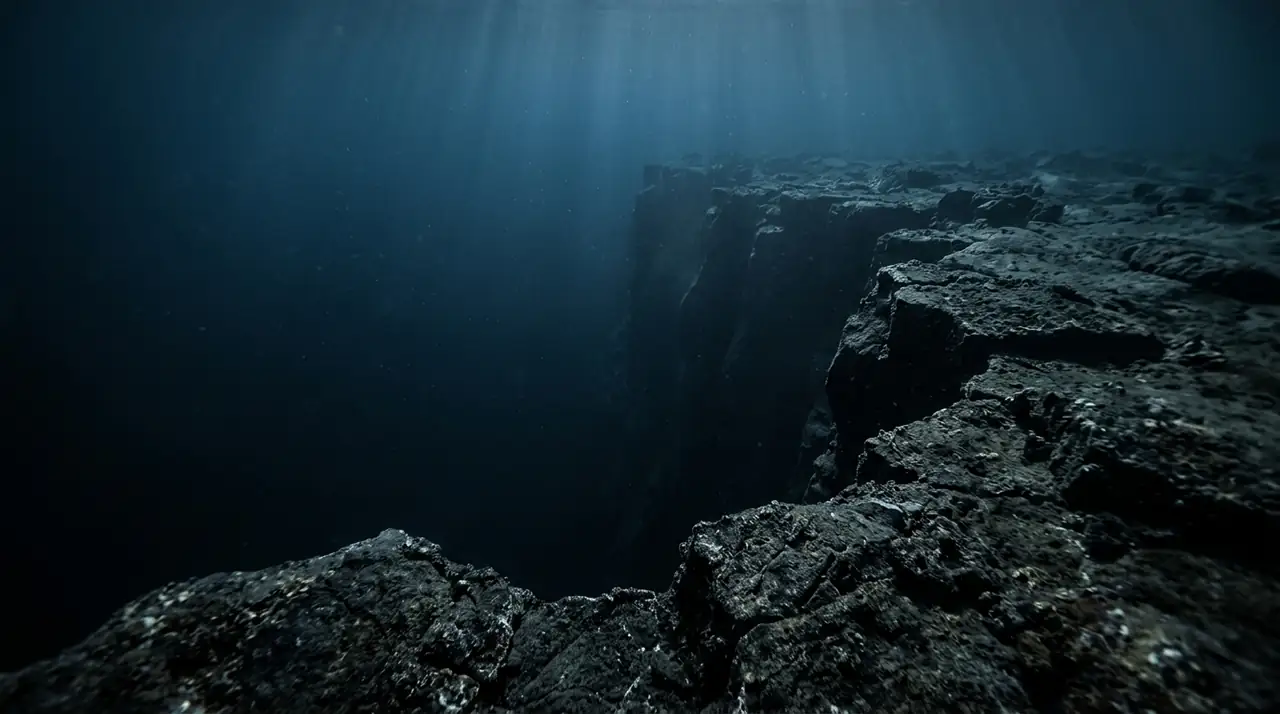
Santa Maria is the southernmost and warmest island in the Azores, and its offshore banks represent some of the most dramatic pelagic diving in European waters. While the northern islands receive most diving attention, Santa Maria has quietly become the archipelago's premier destination for encounters with large marine life in open blue water. The banks south of the island are submerged volcanic pinnacles rising from considerable depth to within 15 metres of the surface. These structures interrupt the mid-Atlantic current flow, creating upwellings that concentrate plankton and attract the food chain from baitfish to apex predators. The boat ride from Vila do Porto takes 20 to 40 minutes, and the descent into blue water above the pinnacles is always charged with anticipation. I rolled into water with over 30 metres of visibility and descended toward a pinnacle summit at 18 metres. Before reaching it, the barracuda appeared. Not a scattered school but a dense, swirling tornado of several hundred fish, their silver bodies flashing as they circled the pinnacle. Mediterranean barracuda reach impressive size in these nutrient-rich waters, and the biomass was staggering. The mobula rays arrived without warning, gliding in from the blue in a formation of perhaps 80 individuals. Their diamond-shaped bodies moved with effortless coordination, wingtips barely clearing each other as they swept past. Some peeled away to investigate us, close enough to see their cephalic fins and remoras. This aggregation occurs from July through September, driven by plankton blooms concentrating around Santa Maria. At depth along the pinnacle walls, dusky groupers of remarkable size shelter in volcanic crevices, and amberjack cruise in hunting packs. On drift dives between pinnacles, blue sharks and mako sharks appear in the distance. Loggerhead turtles transit the area, and bottlenose dolphins are encountered at the surface during intervals. Santa Maria's diving infrastructure is small but professional, with operators who understand the currents, seasons, and animal behaviour that make the difference between a good dive and an extraordinary one.
Early access
Plan a dive here
Open the DiveOne planner to sketch a recreational plan before you go. It is a planning assistant, not a dive computer.
Marine life
Dive profile
DEPTH PROFILE
DEPTH PROGRESSION & WAYPOINTS: Santa Maria Island Formigas Bank
Location
Frequently asked questions
How is Santa Maria different from diving at Formigas Islets?
The Formigas Islets are a separate dive site located approximately 45 kilometres northeast of Santa Maria and require a dedicated long-range boat trip. Santa Maria's Formigas Bank, by contrast, is closer to shore and accessible in shorter boat rides from Vila do Porto harbour. While both sites offer pelagic encounters, Santa Maria's nearshore banks and seamounts provide more diverse topography with wall dives, pinnacles, and reef structures alongside open-water pelagic action. Santa Maria is also the warmest and sunniest island in the Azores, extending the diving season.
When do mobula rays aggregate at Santa Maria?
Mobula ray aggregations around Santa Maria typically occur from July through September, peaking in August. These Atlantic cownose and devil rays gather in schools numbering from dozens to several hundred individuals, feeding on plankton concentrations brought by summer currents. The aggregations occur around the offshore banks and pinnacles south and west of the island. Sightings are weather and current dependent, and dive operators monitor conditions daily to maximise chances. Not every dive produces ray encounters, but during peak season the probability is high.
What certification level is needed for diving at Santa Maria's offshore banks?
Advanced Open Water certification is the minimum requirement for the offshore bank dives, and most operators prefer divers with logged open-water experience. The banks involve blue-water descents to submerged pinnacles, often with significant current, and depths typically range from 15 to 35 metres. Good buoyancy control and comfort in current are essential. Some operators offer introductory experiences at sheltered nearshore sites for less experienced divers before progressing to the exposed banks.
Reviews
Reviews
No reviews yet
Data Provenance
This profile is compiled from 3 operator submissions and 142 community logs. Key facts (depth, entry) are verified against official hydrographic charts.