Saltstraumen
Overview
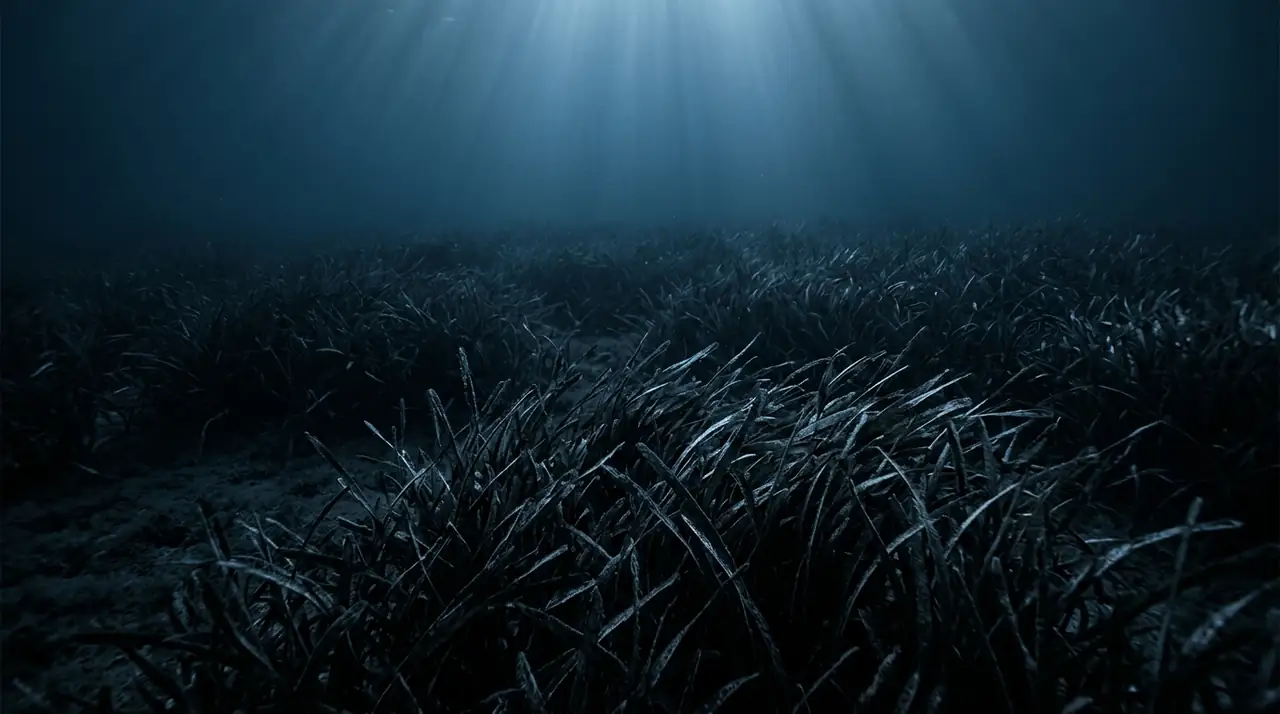
Saltstraumen is a place where the ocean itself becomes the main attraction. Located just southeast of Bodø in northern Norway, this narrow strait connects the outer Saltfjord with the inner Skjerstadfjord, and four times each day, tidal forces push roughly 400 million cubic metres of seawater through a channel barely 150 metres wide. The result is the strongest tidal current on Earth, a churning maelstrom that can exceed 20 knots and creates whirlpools visible from the bridge above. And yet, during the brief windows of slack water between tidal shifts, this same channel offers one of the most extraordinary dives in all of Scandinavia. The key to diving Saltstraumen is timing. Slack water lasts between 20 and 40 minutes, and every second counts. Operators who know the strait — and you should only dive with those who do — calculate the window precisely, position the boat, and send divers down with military efficiency. Once on the bottom at 15 to 25 metres, the scene is remarkable. The constant flow of nutrients has created an underwater ecosystem of staggering abundance. Enormous coalfish, some well over a metre long, hang in dense schools that part reluctantly as divers swim through. Atlantic halibut, the largest flatfish in the world, rest on the sandy bottom between boulders. Wolffish guard their territories with open-jawed displays. The channel walls are encrusted with cold-water corals, massive anemones, and dense colonies of filter feeders that benefit from the twice-daily buffet of plankton. King crabs, introduced to northern Norway from Russian waters, have colonised the deeper sections and can be found picking through the rocks with their armoured legs. The kelp in the channel grows with exceptional vigour, fed by the constant nutrient delivery, creating a forest canopy that sways in the residual current. What makes Saltstraumen genuinely unique among dive sites worldwide is the contrast between surface chaos and submarine tranquillity. Minutes before your dive, the water above churns with visible whirlpools and standing waves. Then slack arrives, the surface calms, and you descend into an underwater world that feels impossibly peaceful and abundant. The knowledge that you have a finite window before the maelstrom returns adds an edge of urgency that sharpens every moment of the dive. This is not a site for the faint-hearted or the inexperienced, but for divers who seek the extraordinary, Saltstraumen delivers an experience found nowhere else on Earth.
Early access
Plan a dive here
Open the DiveOne planner to sketch a recreational plan before you go. It is a planning assistant, not a dive computer.
Marine life
Dive profile
DEPTH PROFILE
DEPTH PROGRESSION & WAYPOINTS: Saltstraumen
Location
Frequently asked questions
Is it safe to dive in Saltstraumen?
Diving Saltstraumen is safe when conducted by experienced operators who precisely calculate slack water windows. The current reaches speeds exceeding 20 knots at peak flow, making diving outside slack periods extremely dangerous and potentially fatal. Slack water lasts approximately 20 to 40 minutes depending on the tidal phase, and all diving must be completed within this window. Only dive with operators who specialise in Saltstraumen diving and have detailed knowledge of the tidal patterns.
What certification do I need to dive Saltstraumen?
Most operators require a minimum of Advanced Open Water certification with proven cold-water and drysuit experience. Some operators require a minimum of 50 logged dives. The dive itself is not technically demanding during slack water — depths are moderate and the bottom is relatively flat — but the environment demands discipline, precise timing, and the ability to respond calmly if conditions change. Prior experience with current diving is strongly recommended.
Why is the marine life so abundant at Saltstraumen?
Saltstraumen's extreme tidal exchange pushes approximately 400 million cubic metres of water through a 150-metre-wide strait four times daily. This creates a constant conveyor belt of nutrients and plankton that feeds an exceptionally dense food web. Filter feeders such as anemones and cold-water corals thrive on the channel walls, attracting crustaceans and small fish, which in turn draw large predatory fish. The result is a concentration of marine life unmatched elsewhere in Norway.
Reviews
Reviews
No reviews yet
Data Provenance
This profile is compiled from 3 operator submissions and 142 community logs. Key facts (depth, entry) are verified against official hydrographic charts.