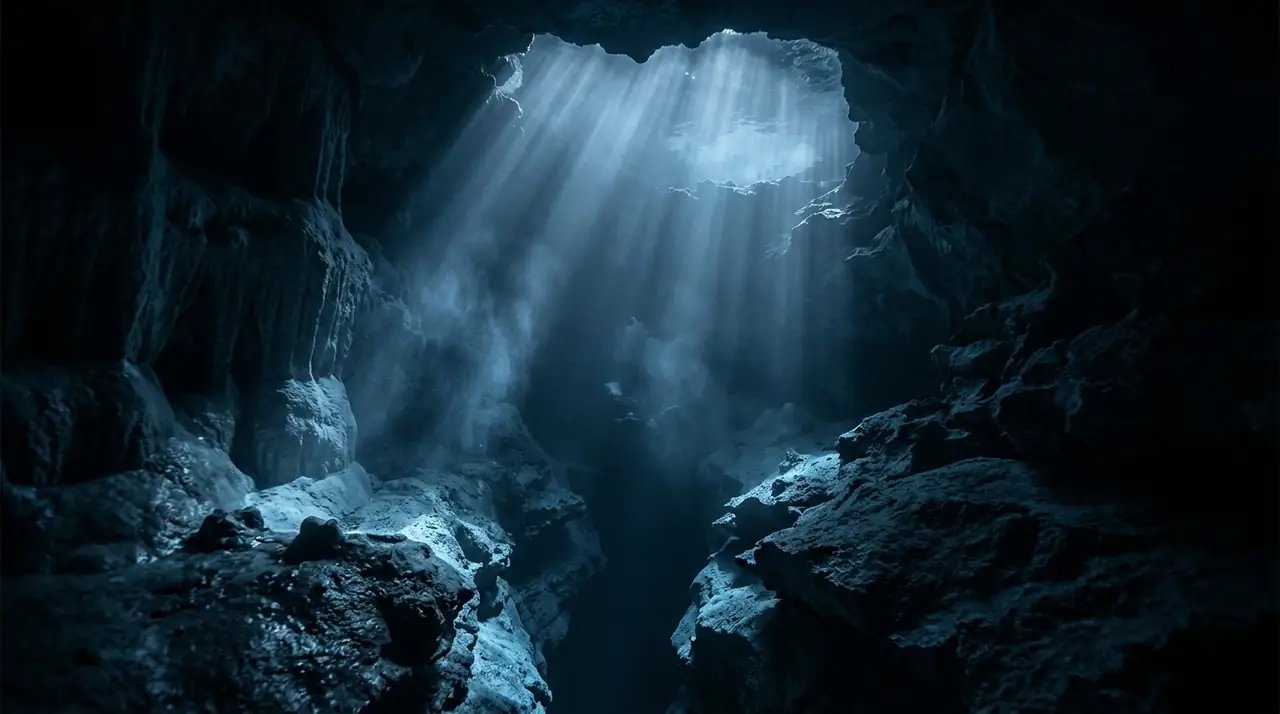
Sabratha Roman Ruins Underwater
Overview
The underwater ruins off Sabratha offer one of the most archaeologically significant diving experiences in the Mediterranean. This ancient Roman city on Libya's northwestern coast was once a great trading port, shipping olive oil and ivory to Rome. The magnificent above-water ruins are a UNESCO World Heritage Site, but the story extends beneath the surface, where sections of the ancient harbour lie submerged, colonised by two thousand years of marine life. I descended into calm, pale-blue water, reaching the sandy bottom at around 8 meters. The first signs of the ancient city appeared as scattered stone blocks -- large, squared, unmistakably worked by human hands. Following the debris trail, the remains became more defined: column drums lying in rows on the seabed, their fluted surfaces softened by marine growth but still recognizable. Foundation walls traced the outlines of structures that once stood above the waterline, now home to groupers sheltering between ancient stones. Diving an archaeological site of this age is profoundly different from wreck diving. There is no intact structure, no dramatic hull. Instead, there is a slow revelation of human presence in the arrangement of stones, the regularity of right angles in a natural world of curves, the unmistakable tool marks on dressed stone blocks covered in encrusting organisms. A carved capital fragment sits upright on the sand, sea urchins clustered in its acanthus scrollwork. An octopus has made its den between two foundation stones that Roman masons fitted together. The marine life is typical of the central Mediterranean: sea bream circle in mid-water, damselfish defend territories, moray eels peer from crevices in the ancient walls, and scorpionfish lie motionless on surfaces that once formed a Roman warehouse floor. Diving Sabratha is not conventional. Access requires navigating Libya's current challenges, and there is no dive infrastructure. But for those who reach it, the reward is swimming through the drowned streets of a Roman city, alone with the fish and the ghosts of two millennia.
Early access
Plan a dive here
Open the DiveOne planner to sketch a recreational plan before you go. It is a planning assistant, not a dive computer.
Marine life
Dive profile
DEPTH PROFILE
DEPTH PROGRESSION & WAYPOINTS: Sabratha Roman Ruins Underwater
Location
Frequently asked questions
Are the Sabratha underwater ruins accessible to recreational divers?
The underwater ruins of Sabratha's ancient port lie at shallow depths of 5 to 15 meters, making them physically accessible to recreational divers. However, access to Libya for international visitors remains extremely limited due to ongoing political instability. Diving at the site requires special permission from Libyan authorities and coordination with local guides. The ruins themselves are unprotected and in their natural state -- there are no mooring buoys, guide ropes, or dive infrastructure. Conditions may change as Libya's situation evolves.
What Roman structures are visible underwater at Sabratha?
The submerged remains include sections of the ancient harbour infrastructure: breakwater foundations, stone quays, column fragments, building foundations, and scattered architectural elements. Sea-level changes and coastal erosion over two millennia have submerged portions of the Roman port that were originally above water. The ruins are not as dramatically intact as a purpose-sunk wreck but represent genuine in-situ archaeological remains. Stone blocks with Roman-era tool marks, column drums, and carved architectural details are identifiable on careful inspection.
What is the historical significance of Sabratha?
Sabratha was one of the three cities of ancient Roman Tripolitania, alongside Leptis Magna and Oea (modern Tripoli). Founded by Phoenician traders around the 5th century BC, it grew into a major Roman port city with a famous theatre, forum, temples, and baths. The above-water ruins are a UNESCO World Heritage Site. The underwater portions represent the city's harbour and waterfront districts, submerged by a combination of tectonic subsidence and rising sea levels. It is one of the most significant underwater archaeological sites in North Africa.
Reviews
Reviews
No reviews yet
Data Provenance
This profile is compiled from 3 operator submissions and 142 community logs. Key facts (depth, entry) are verified against official hydrographic charts.